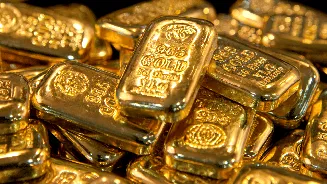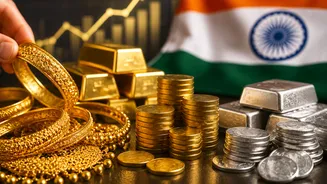








New Delhi: The Centre’s decision to sharply raise import duties on gold, silver and platinum is set to impact everyone from jewellery buyers and traders
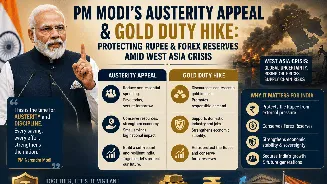
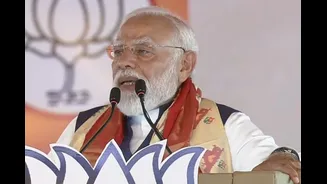
to long-term investors, as the government moves to curb non-essential imports and protect India’s foreign exchange reserves amid the escalating West Asia crisis. Effective May 13, the import duty on gold and silver has been increased from 6 per cent to 15 per cent, while platinum imports will now attract a 15.4 per cent duty. The revised structure includes a 10 per cent basic customs duty along with a 5 per cent Agriculture Infrastructure and Development Cess (AIDC). Gold Rate Today Live Updates The move comes just days after Prime Minister Narendra Modi urged citizens to postpone gold purchases, reduce fuel consumption and avoid unnecessary foreign exchange spending in view of the ongoing geopolitical crisis.
What It Means For Gold Buyers
For consumers, the immediate impact will be higher gold prices and more expensive jewellery purchases. Industry estimates suggest the duty hike could increase gold prices by nearly Rs 27,000 per 10 grams compared to earlier levels.
All India Gems and Jewellery Council (GJC) Chairman Rajesh Rokde warned that the move could significantly affect affordability.
“What the industry fears is that this will give rise to the grey market... smuggling is likely to grow, setting up a parallel economy in the country,” Rokde said.
Also Read: Centre Hikes Import Duty on Gold, Silver From 6% to 15%
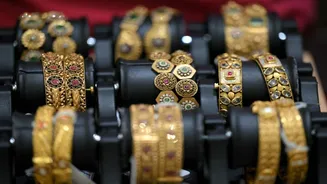
Jewellers also expect customers to shift towards lighter-weight jewellery as prices continue to rise.
What It Means For Jewellers
India is the world’s second-largest gold consumer after China, and the jewellery industry remains heavily dependent on imported gold. With import costs rising sharply, industry players expect demand volumes to slow even if the overall value of sales remains high because of elevated prices.
Senco Gold and Diamonds MD and CEO Suvankar Sen said the higher duty structure may continue for a prolonged period if geopolitical tensions persist.
“So maybe for around one year it shall stay at these levels. The volumes might get impacted by 10-15 per cent, but value wise it will remain at a higher level. Consumers will buy lighter-weight jewellery,” he said.
The sector is also worried about the possible return of gold smuggling, which had reduced after India cut duties in 2024.
What It Means For Investors
For investors, the latest move has already triggered a sharp rally in domestic bullion prices and gold-linked investment products. Gold futures on the Multi Commodity Exchange (MCX) crossed Rs 1.63 lakh per 10 grams on Wednesday, while silver neared Rs 3 lakh per kilogram.
Analysts say the duty hike, combined with the West Asia conflict, rising crude oil prices and a weakening rupee, could keep gold prices elevated in the near term as investors continue to view bullion as a safe-haven asset.
At the same time, the government believes the measure is necessary to reduce pressure on India’s external account and conserve foreign exchange reserves, which have come under strain due to rising import costs.
Why The Government Took This Step
Government sources described the decision as a “preventive measure” taken under “extraordinary external conditions.”
“During periods of external stress, measured moderation of discretionary imports may contribute significantly to overall macro-economic stability and prudent external-sector management,” a source told PTI.
India’s import bill has risen sharply due to soaring crude oil prices after tensions in West Asia disrupted supply routes around the Strait of Hormuz. Brent crude prices have surged from around USD 73 per barrel before the conflict to nearly USD 107 per barrel.
India imports nearly 87 per cent of its crude oil requirements, with a large share passing through or near the Strait of Hormuz. Officials fear that prolonged disruptions could worsen inflation, widen the current account deficit and put additional pressure on the rupee, which recently hit a record low against the US dollar.
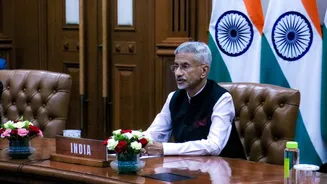
Chief Economic Advisor V Anantha Nageswaran described the ongoing crisis as a “live balance of payments stress test” with implications for inflation, the current account and the exchange rate.
The government maintains that the duty hike is a calibrated intervention aimed at discouraging avoidable imports while prioritising foreign exchange spending on essential sectors such as crude oil, fertilisers, industrial raw materials, defence and capital goods.