







What is the story about?
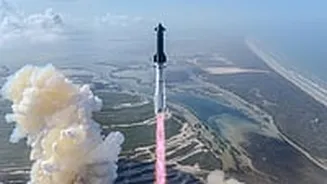
SpaceX launched its most powerful Starship to date on a test flight on Friday, marking a significant milestone in the company's plans to support NASA's
lunar missions. The upgraded rocket took off from southern Texas, two days after CEO Elon Musk announced intentions to take the company public. It carried 20 mock Starlink satellites, which were released during the hour-long flight that circled halfway around the globe.
Flight Details and Challenges
The spacecraft ultimately reached the Indian Ocean despite experiencing engine issues and ignited upon impact, a result that SpaceX had anticipated.Musk described the event as 'an epic launch and landing,' emphasizing the achievement in the context of the mission's goals.
Significance for NASA and Artemis Program
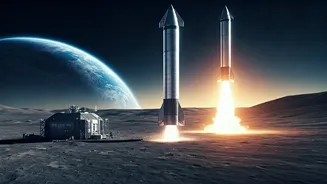
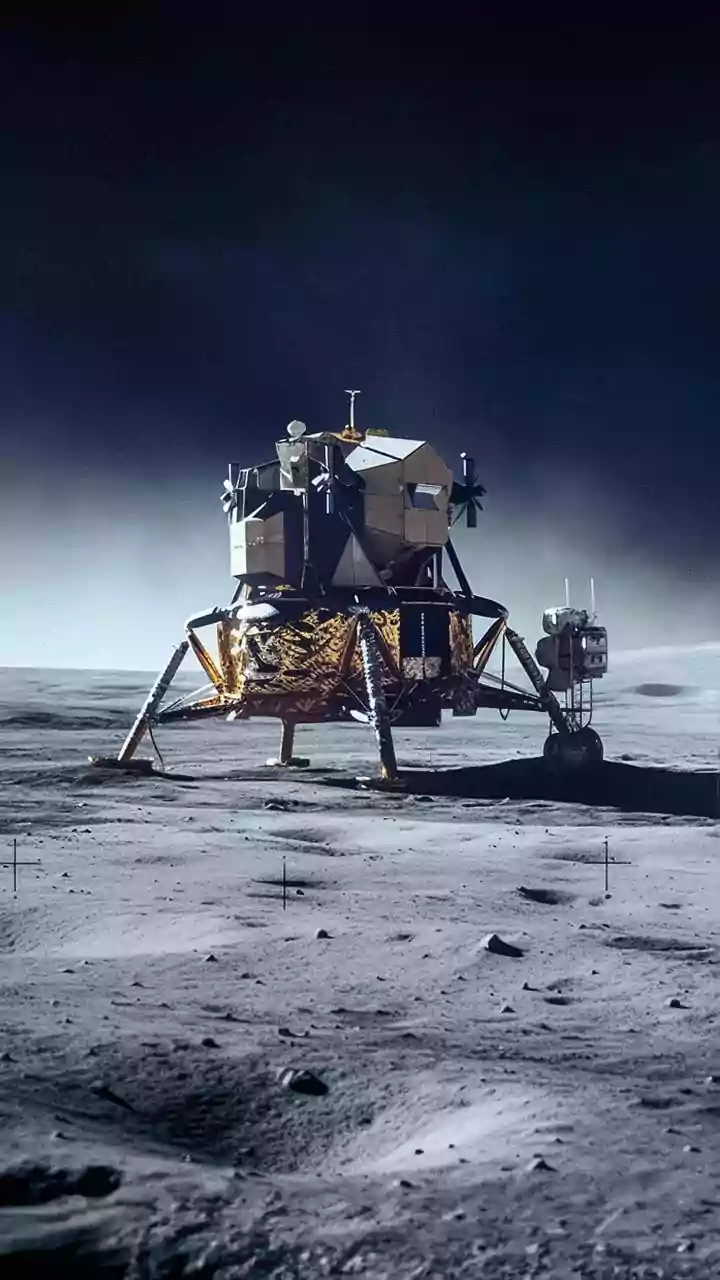
This flight represents the twelfth test of the rocket, which Musk envisions as a vehicle for future Mars missions. However, the immediate focus remains on supporting NASA's Artemis program aimed at returning astronauts to the moon.NASA Administrator Jared Isaacman attended the launch, stating that Starship is now closer to fulfilling its role in lunar exploration.
Technical Specifications and Innovations
SpaceX's latest Starship model stands at 407 feet (124 meters), surpassing previous designs. It features enhanced engine thrust and improved steering capabilities with larger grid fins and a robust fuel transfer line, akin to that of the Falcon 9 booster.This version of the spacecraft also includes advanced navigation systems, increased computer power, and docking cones for future missions.
Reusability and Future Missions
Starship is designed for full reusability, with plans to utilize mechanical arms for recovering rocket stages post-launch. However, this test flight did not include recovery attempts.The Gulf of Mexico marked the final destination for the first-stage booster, while the Indian Ocean was the endpoint for the spacecraft and its satellite payload.
Competition in Lunar Landers
NASA has contracted SpaceX and Jeff Bezos’ Blue Origin to develop lunar landers for the Artemis missions. Both companies are competing to be the first to deliver astronauts to the moon.While Starship has successfully reached space multiple times, Blue Origin's lunar lander, Blue Moon, is still in development.
Future of Space Tourism
SpaceX has begun accepting reservations for private flights to the moon and Mars aboard Starship. Notable space tourists include Dennis Tito, who signed up for a lunar flight three and a half years ago, and Chun Wang, a bitcoin investor planning to join the first interplanetary mission.Details regarding the costs and timelines for these missions remain undisclosed.