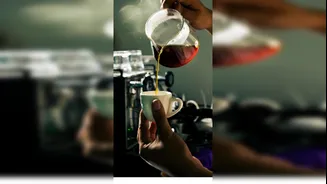






In an exclusive interaction with Times Now Digital, Ritika Sharma Founder of Pour Over Coffee Roasters shares how specialty coffee is moving from an urban
niche to a broader consumption culture and theme. Given below is the full interview. Q. India is moving from an instant-coffee market to a specialty-coffee culture — where do you see the biggest untapped consumer opportunity? Can specialty coffee really become mass premium? A. The biggest untapped opportunity isn't in the metros anymore. It's in the tier 2 and tier 3 cities where a large, aspirational, digitally-native consumer base is already primed but hasn't yet been offered better coffee in a way that's accessible rather than intimidating. Most specialty brands have clustered in the same four or five cities, which means there's a huge, underserved audience that's ready to trade up from instant coffee. As for mass premium,yes, I do think it's possible, and at Pour Over Coffee Roasters that's genuinely the direction we're building towards. A high quality cup is becoming part of the younger generation’s everyday life so our approach to making it mass premium is really an approach to democratising it. We are creating spaces that are accessible, investing heavily in education so people understand what they're drinking and why it's worth it, and running public cupping sessions that open up a process usually reserved for industry professionals to everyday customers. Once people can taste the difference for themselves in an open, unintimidating setting, quality stops being a luxury conversation and starts being an obvious choice. That's the slower, more deliberate kind of scale we're betting on. Q. Starbucks, Third Wave, Blue Tokai and a growing army of independents are all chasing the same young consumer, what is Pour Over’s strategy and how is it different? A. We see ourselves less as a café chain trying to out-scale everyone else, and more as an education-first specialty brand that happens to also serve exceptional coffee. We feel that these commercial chains have set the stage for the specialty market and we strategise to actually explain what's in the cup, where it came from, and why it tastes the way it does, without making the customer feel like they need prior expertise to enjoy it. The other point of difference is how close we sit to the farm. Our co-fermentation work and direct producer relationships mean we're not just retailing coffee somebody else sourced. We're actively shaping what is getting grown and processed, in collaboration with our partners. That's a harder, slower model to build than opening more outlets, but it gives us a genuinely different story to tell the same young consumer everyone else is chasing. Q. Coffee is increasingly becoming a lifestyle experience-what are the current and future trends you see going forward? A. Right now, the clearest trend is coffee moving from being a functional beverage to being a marker of taste and identity much like wine or craft beer did before it. People are starting to have opinions about origin, roast style and brew method, and they want their coffee choices to say something about them. Alongside that, we're seeing home brewing take off, with more people investing in pour-over kits and grinders, which is quietly doing more for specialty education than any café can. Looking ahead, I expect deeper interest in processing and fermentation as a point of flavour and storytelling, much greater transparency around sourcing and farmer partnerships, tier 2 and 3 cities emerging as the next coffee culture and everyday ritual market for a high quality cup. Q. For those seeking affordability yet a unique experience what is the current offering? A. At Pour Over Coffee Roasters, the idea is to create an affordability ladder; an everyday cup that delivers quality and value, while giving more curious consumers the option to trade up into distinctive single-origins, specialties and fermented and some rare international beans. We also believe that affordability doesn't have to mean compromising on the experience. The experience can come from the quality of the coffee, the way it is roasted and brewed, the story behind its origin, and the environment in which it is served. Ultimately, our ambition is to democratise specialty coffee, to make great coffee something people can enjoy regularly, while still retaining the discovery and craft that makes specialty coffee exciting. Q. Take us through profitability, growth and expansion plans? A. Our focus is on building Pour Over into a strong, profitable and scalable Indian coffee brand, rather than pursuing growth at any cost. We have built the business with a healthy mix of retail cafés, B2B partnerships and packaged coffee, which gives us multiple revenue streams. As we scale, we see significant room to improve margins through greater volumes, stronger procurement, operational efficiencies and a larger share of higher-margin products. The next phase is about expansion on three fronts-growing our retail footprint in key Indian markets; building deeper B2B partnerships with hotels, restaurants and institutions; and taking Indian specialty coffee to a wider international audience through strategic coffee and hospitality partnerships. Ultimately, we see profitability and expansion as complementary-build a strong unit economics model at every location and channel, then use that foundation to scale the brand sustainably.