Iran launched drone and missile attacks against Israel and Gulf states on Tuesday, prompting Israeli Prime Minister Benjamin Netanyahu to affirm that Israel will
persist in its military operations against the Islamic Republic. Netanyahu stated that the objective of these actions is to instigate a popular uprising against the Iranian government. During a meeting with leaders from Israel's healthcare sector, Netanyahu emphasized, "Our aim is to bring the Iranian people to cast off the yoke of tyranny; ultimately, it depends on them. But there is no doubt that with the actions taken so far, we are breaking their bones."
Contradictory U.S. Signals
U.S. President Donald Trump has sent mixed messages regarding the duration of the ongoing conflict, contributing to market volatility. While Trump suggested to Republican lawmakers that the war might be a "short excursion," he later warned on social media that the U.S. would significantly escalate its military response if Iran attempted to close the Strait of Hormuz.
Iran's Defiance
Mohammad Bagher Qalibaf, the Speaker of Iran's Parliament, rejected any notion that Tehran is seeking a ceasefire, asserting that the nation will continue to fight. He declared, "We are definitely not looking for a ceasefire; we believe that the aggressor should be punched in the mouth so that he learns a lesson so that he will never think of attacking our beloved Iran again."
Military Developments
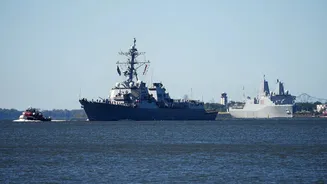
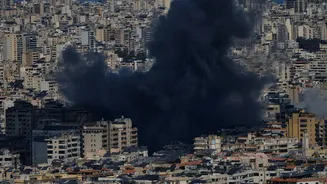
The Israeli military reported new airstrikes targeting Tehran, while Iranian forces launched missile and drone strikes against Bahrain, resulting in casualties. According to Bahrain's Interior Ministry, one of the strikes hit a residential building in Manama, leading to the death of a 29-year-old woman and injuries to eight others.
International Responses
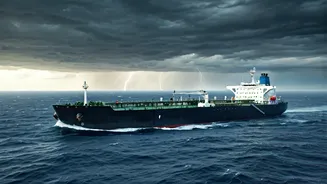
The United Kingdom's military has raised concerns about a potential attack on a vessel in the Persian Gulf, indicating a widening of Iranian assaults against maritime shipping. Additionally, Russia has reiterated its willingness to mediate a resolution to the conflict, with Kremlin spokesman Dmitry Peskov stating that mediation offers remain "on the table."
Economic Implications
The Group of Seven (G7) nations are contemplating the release of emergency oil reserves in response to soaring prices exacerbated by the conflict. France, which currently holds the G7 presidency, indicated that discussions would continue to find solutions aimed at reducing oil prices.
Safety Measures in the UAE
The United Arab Emirates announced plans to lower the volume of missile alerts sent to mobile phones during overnight hours, a decision made in light of the ongoing conflict and its implications for regional security.