
Mumbai/Bengaluru: The world is facing a deepening water crisis, with half of the planet’s 100 largest cities now struggling with severe water stress, according
to the latest United Nations–linked assessment. Shrinking rivers, falling groundwater levels and rising urban demand are pushing major cities towards shortages that directly affect everyday life. Indian metros such as Mumbai and Bengaluru are part of this worrying global picture. The report, as quoted in Bhashkar English report, warns that water scarcity is no longer a future threat, it is already disrupting cities across continents, from Asia and Africa to the Americas.
What the Global Water Crisis Looks Like
The assessment found that 39 of the world’s biggest cities are in an “extremely severe” water stress category, meaning demand is close to or exceeding available supply. This includes global hubs like Delhi, Beijing, New York and Rio de Janeiro.
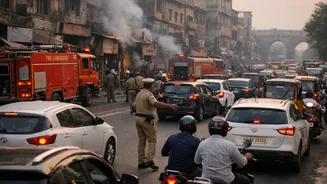
Water stress refers to a situation where cities struggle to meet daily water needs for households, industry and sanitation, often resulting in rationing, tanker dependence and groundwater overuse.
Where Do Mumbai and Bengaluru Stand?
Among Indian cities, Delhi ranks fourth globally in terms of water stress, making it one of the worst-affected cities in the world.Other Indian cities on the global list include:
- Kolkata – 9th
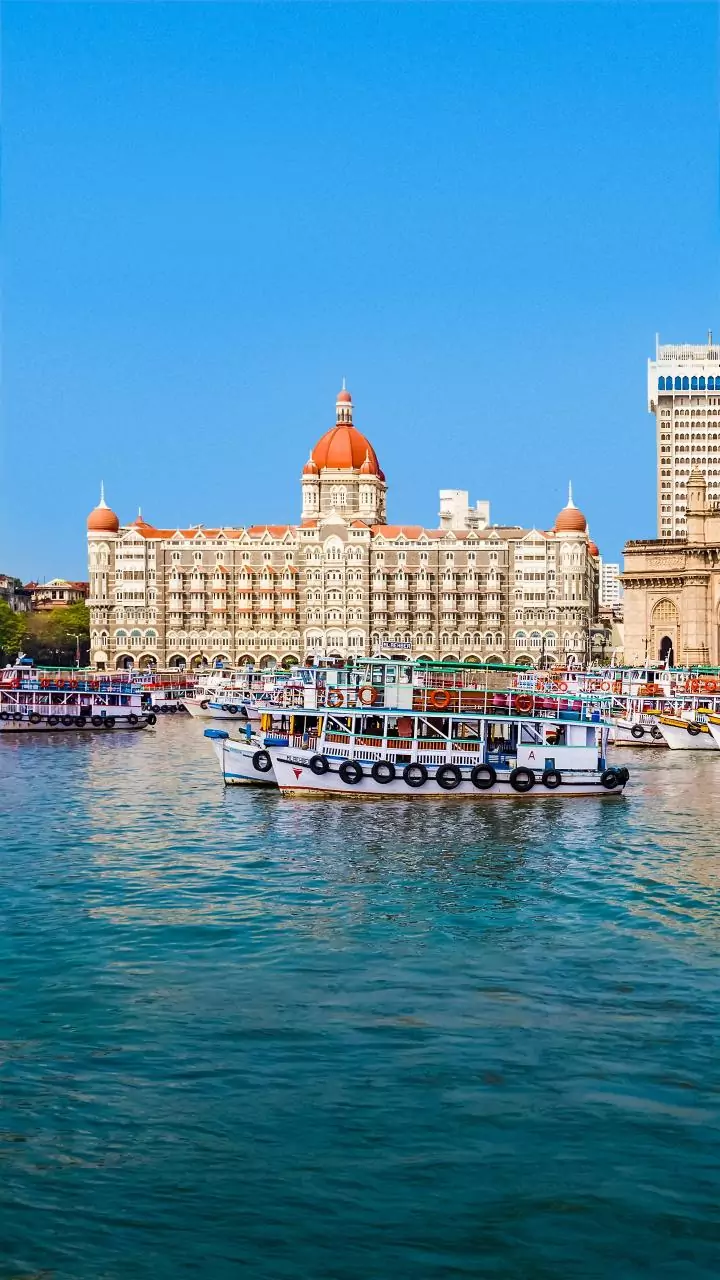
- Mumbai – 12th
- Bengaluru – 24th
- Chennai – 29th
For Mumbai, the challenge lies in growing demand, uneven distribution and pressure on reservoirs during weak monsoon years. In Bengaluru, heavy dependence on groundwater, rapid urbanisation and shrinking lakes have made water shortages a recurring concern, especially in summer months.
Cities such as Hyderabad, Ahmedabad, Surat and Pune have also been grappling with water stress for years.
The report flags Chennai as a city close to “Day Zero”, the point at which there is no water left for residents through regular supply systems. The city has already witnessed near-collapse of its water infrastructure in the past, forcing widespread reliance on tankers.
Outside India, Tehran is facing drought for the sixth consecutive year and is also nearing Day Zero, while Cape Town has previously come close to shutting off taps entirely.
A Crisis Playing Out Across the World
The water emergency is global in scale:
- Kabul is at risk of completely running out of water
- Mexico City is sinking by nearly 20 inches every year due to excessive groundwater extraction
- In the United States, disputes over Colorado River water continue across southwestern states
Major cities like Beijing, New York and Rio de Janeiro are also under high water stress, showing that wealth or geography does not guarantee water security.
4 Billion People Face Water Scarcity Every Year
In human terms, the crisis is vast. The report states that around 4 billion people worldwide experience water scarcity for at least one month every year. This can mean dry taps, restricted supply, unsafe water sources or high dependence on private tankers.Environmental damage is adding to the problem. Rivers and lakes are shrinking, groundwater levels are falling rapidly and wetlands are drying up. These changes are also causing land subsidence, sinkholes and expanding deserts.