



What is the story about?
Widespread protests have erupted across Iran, due to a deepening economic crisis and mounting public anger. The Supreme Leader Ayatollah Ali Khamenei-led
Iranian authorities have responded with a deadly crackdown and sweeping internet restrictions. The unrest is posing one of the most serious challenges in years to the country’s ruling theocracy. Here is an explainer on what is happening and why it matters.
Protests spread nationwide
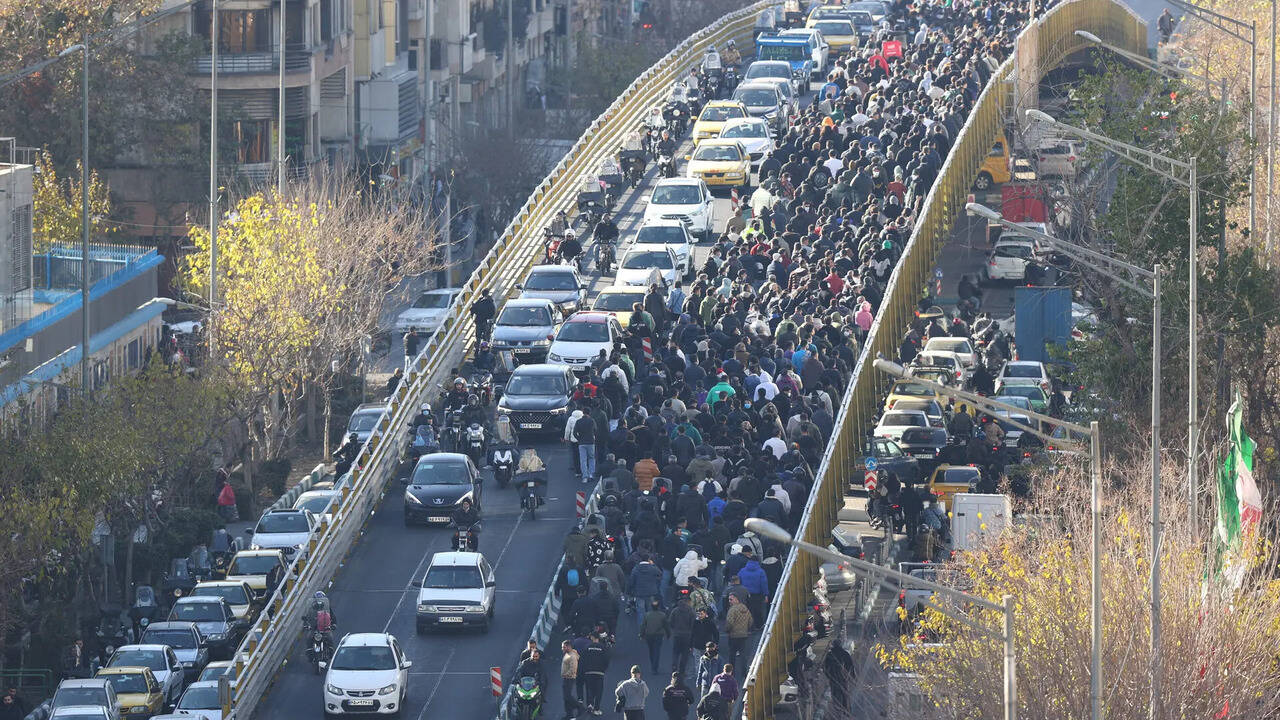
Demonstrations have been reported in all 31 provinces of Iran, according to the US-based Human Rights Activists News Agency. About 2,000 people, including security personnel, have been killed during protests across Iran over the past two weeks, an Iranian official told Reuters on Tuesday. This is the first time authorities have acknowledged such a high death toll since nationwide unrest erupted.
The official, who spoke on condition of anonymity, blamed what he called “terrorists” for the deaths of both protesters and security forces.
Iranian authorities have not released official nationwide casualty figures. Independent verification has been difficult because the government blocked internet access across much of the country. Some Iranians on Tuesday were able to make international phone calls after limited restrictions were eased.
State media has provided only sparse coverage, while videos circulating online offer brief and often shaky glimpses of crowds, security forces and gunfire. Journalists inside Iran also face tight travel restrictions and the risk of arrest, further limiting reporting.
Despite the crackdown, protests appear to be continuing even after Khamenei warned that “rioters must be put in their place.”
Why Protests in Iran Began
The protests began on December 28 after the sharp fall in the value of Iran’s currency. They later widened into demonstrations against worsening economic conditions, unemployment and rising prices, with some protesters openly calling for an end to clerical rule.
The national currency, the rial, has collapsed to more than 1.4 million to the US dollar, sharply reducing purchasing power.
Prices of basic goods such as meat, rice and cooking staples have surged, while annual inflation remains around 40%. In December, the government introduced a new pricing tier for subsidised gasoline, raising the cost of some of the world’s cheapest fuel. Officials are expected to review fuel prices every three months, raising fears of further increases.
Adding to the strain, Iran’s central bank recently ended a preferential exchange rate for most imports, except medicine and wheat. Food prices are now expected to rise further.
The protests began in late December with merchants in Tehran before spreading nationwide. While initially focused on economic grievances, chants quickly turned political, reflecting years of pent-up anger, particularly since the 2022 death of Mahsa Amini in police custody, which sparked earlier nationwide protests.
Some demonstrators have voiced support for exiled Crown Prince Reza Pahlavi, who has called for continued protests.
Iran’s regional alliances under pressure
Iran’s self-described “Axis of Resistance”, a network of allied governments and militant groups, has been significantly weakened.
Israel has battered Hamas in Gaza, while Hezbollah in Lebanon has lost much of its top leadership and influence. In December 2024, a rapid offensive toppled Syrian President Bashar Assad, a key Iranian ally. Iranian-backed Houthi forces in Yemen have also faced sustained US and Israeli airstrikes.
While China remains a major buyer of Iranian oil, it has offered no direct military backing. Russia, despite using Iranian drones in Ukraine, has also stopped short of providing overt support.
Nuclear concerns worry West
Iran maintains that its nuclear programme is peaceful, but officials have increasingly hinted at pursuing nuclear weapons. Before US strikes in June, Iran had been enriching uranium close to weapons-grade levels, a step unmatched by any non-nuclear-armed state.
Tehran has also reduced cooperation with the International Atomic Energy Agency. The UN watchdog has warned Iran could potentially build up to 10 nuclear bombs if it chose to weaponise its programme.
US intelligence agencies say Iran has not yet begun a weapons programme but has taken steps that would allow it to do so quickly. Iran recently said it stopped enriching uranium at all sites, signalling openness to talks, but no meaningful negotiations have followed the June conflict, reports AP.
Why US-Iran relations remain tense
Relations between Iran and the United States have been hostile for decades. Once a close US ally under Shah Mohammad Reza Pahlavi, Iran underwent a dramatic shift after the 1979 Islamic Revolution led by Ayatollah Ruhollah Khomeini.
Later that year, the takeover of the US Embassy in Tehran triggered a 444-day hostage crisis and the severing of diplomatic ties. The US backed Iraq during the Iran-Iraq war in the 1980s and later shot down an Iranian passenger plane, saying it mistook it for a military aircraft.
Ties briefly improved under the 2015 nuclear deal, but Donald Trump withdrew the US from the agreement in 2018, reigniting tensions.
Trump has now warned that if Iran “violently kills peaceful protesters,” the United States “will come to their rescue,” saying Washington is “watching it very closely.”
The unrest also coincides with renewed pressure from Washington. US President Donald Trump announced 25% tariffs on goods from countries that do business with Iran, calling the move part of efforts to punish Tehran over the crackdown.
China quickly criticised the tariff move. Iran exports most of its oil to China, with Turkey, Iraq, the United Arab Emirates and India among its other major trading partners.
Mixed Signals From Abroad
German Chancellor Friedrich Merz said he believed Iran’s government was nearing collapse, calling the violence a sign of a regime at the end of its rule. Iranian Foreign Minister Abbas Araqchi rejected the remarks, accusing Germany of double standards.
Arrests, Blackouts and Information Gaps
Communications restrictions, including internet blackouts, have made it difficult to verify events on the ground. The United Nations said phone services were restored, but internet access remains unstable.
US-based rights group HRANA said more than 10,700 people had been arrested by late Monday. However, the figures couldn't be independently verified.