







What is the story about?
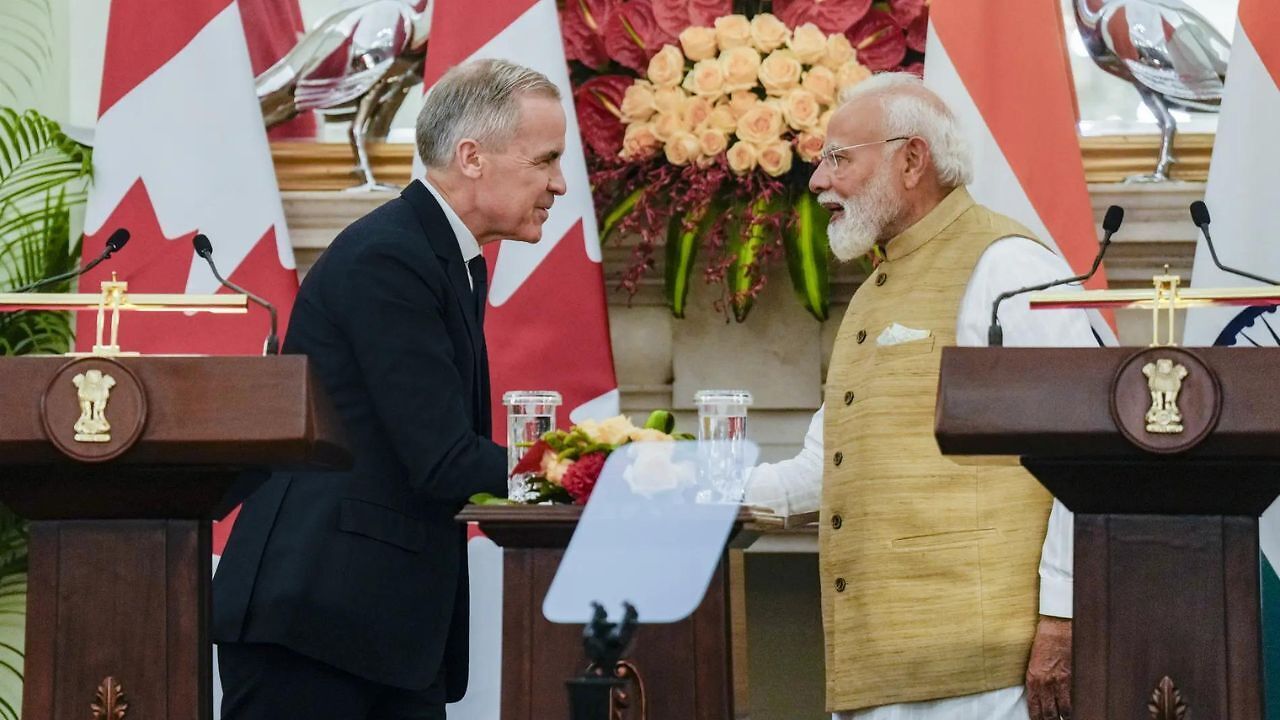
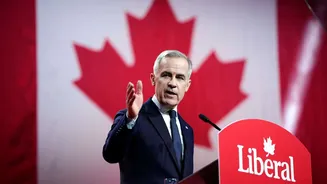
Canadian Prime Minister Mark Carney says he planned for a remote but serious possibility: that the United States could invade Canada. He made the remark
as trade tensions with Washington have grown. He was quick to say it is not what he expects to happen. In an interview with The New York Times published this week, Carney said he thought about the scenario after President Donald Trump began calling Canada the 51st state. Leaders, he said, have a duty to look at extreme tail risks. That is simply risk management, he explained, and not a base case. Ignoring it would be irresponsible, he stated. “There’s certain things, once you’ve seen them, you can’t unsee them," Carney said.
A year of rising trade tension
Over the past year, trade friction between the two countries has kept building. Trump has raised tariffs, and Canada has answered with tariffs of its own.Earlier this month, Carney said in a video statement that Canada had come to lean too heavily on its economic ties with the US. For 40 years, he said, closer integration made business easy, but it left Canada depending on a single partner. That era is over, in his words.
"This is why our plan, since I came into office, has been development and diversification, not denial, waiting to go back to some good old days and not continued dependence," Carney said.
Trump on Canada and Europe
Last week, Trump waved off reports that Canada might join the European Union as an associate member. He called the idea laughable. If he saw such a move as hostile, he said, he would put heavy tariffs on Europe or stop trading with it on many goods.Canada moving away from Starlink?
In the interview, Carney said to the New York Times, that, he is hopeful that trade deal talks can restart, but he is clear about where Canada needs to rely less on the US. One example is Starlink, the satellite network run by Elon Musk's SpaceX. Canada will move away from it, he said without hesitation. He pointed to past disruptions, including Musk's unwillingness to give Ukraine data that would let it strike targets in Crimea and Russia.He admitted that rival satellite systems are still less capable and less resilient. But from a defence perspective, he said, teaming up with partners such as Europeans and possibly Koreans would give Canada the scale to cut its reliance.
Ditching America's F-35?
Canada's government is currently reviewing a planned purchase of 88 Lockheed Martin F-35 fighter jets. It is also weighing a counteroffer to buy Sweden's Saab Gripen instead. Carney didn't say which way he is leaning. He did say he wants Canada's larger defense budget to go toward planes that perform well in the Arctic. It is a real decision, he said, because the jets differ in capability, in strategic dependence and in economic return.Rethinking the US dollar
Carney also repeated a long-held view that a global financial system built entirely on the US dollar can't last. A system with several reserve currencies, he said, would offer more flexibility.He suggested that countries are re-examining how exposed they are to the dollar, calling it a directional shift. But he said any big move will stay limited until China opens up its currency and financial system properly. Still, he expects demand for alternatives to rise. One reason, he said, is the Trump administration's choice to reshape trade relationships and use economic integration as leverage. It is a "fool me once" moment, Carney said, and once countries see it, they begin to ask how to diversify.