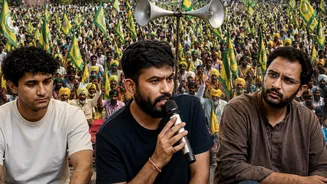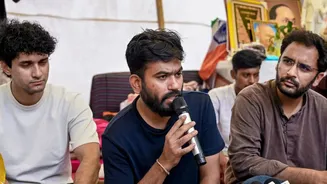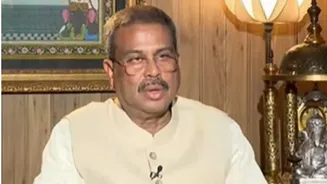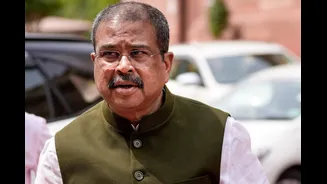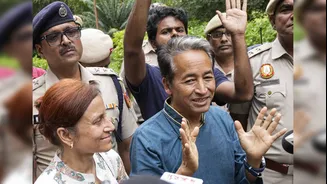






New Delhi: Climate activist and education reform advocate Sonam Wangchuk on Monday welcomed the resignation of former Union Education Minister Dharmendra
Pradhan, describing it as "just the beginning" while urging the government to focus on long-term structural reforms in India's public examination system. His remarks come amid the Centre's push to amend anti-paper leak laws following the nationwide outrage over alleged irregularities in the NEET examination. Addressing the media, Wangchuk said the resignation should not be viewed as the end of the movement but as an opportunity to rebuild public trust in the education system.
#WATCH | Delhi | On Dharmendra Pradhan's resignation, Activist Sonam Wangchuk says, "...The resignation is just the beginning. If the issue is acknowledged and addressed from this point onward, our country will become a better place, a process that, in my view, is already… pic.twitter.com/d8UapS3xzi
— ANI (@ANI) July 27, 2026
"The resignation is just the beginning. If the issue is acknowledged and addressed from this point onward, our country will become a better place. Discussions are currently ongoing, and I hope that, through a very positive dialogue, the most suitable course of action for the country will be adopted, allowing us to implement an excellent system through mutual goodwill."
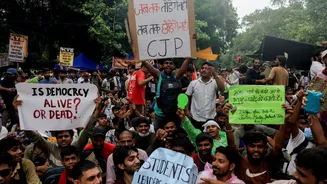
His comments come days after Dharmendra Pradhan resigned following sustained nationwide protests over the NEET paper leak controversy. The Centre has since proposed amendments to the Public Examinations (Prevention of Unfair Means) Act, including tougher punishments for paper leaks and examination fraud, while Parliament is expected to debate the legislation.
Welcoming the proposed amendments, Wangchuk said legislative reforms should emerge from meaningful debate rather than political confrontation.
"That is a good thing. Let there be a discussion, and let the appropriate measures be adopted after thorough deliberation."
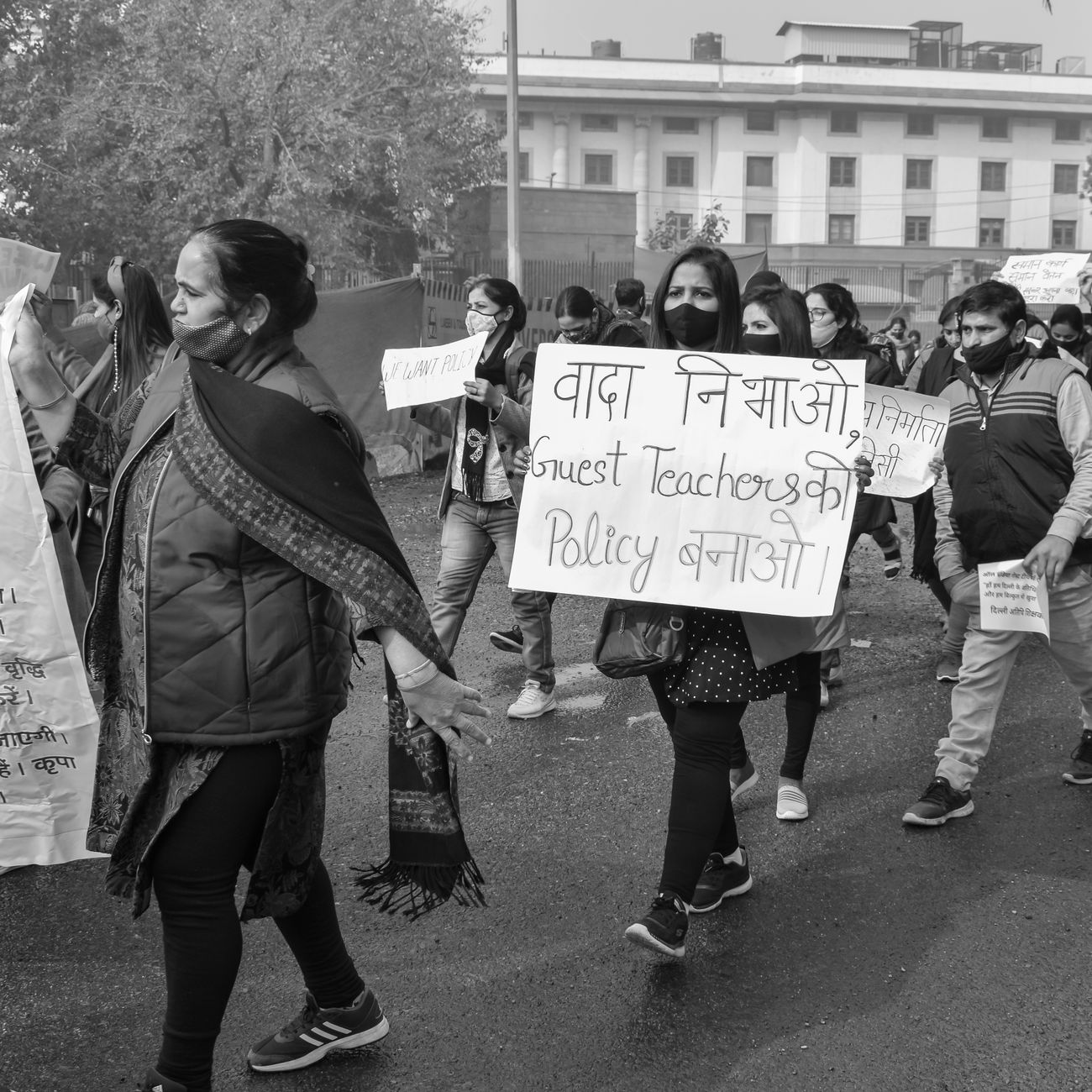
The activist also appealed to authorities to ensure that peaceful demonstrators are not penalised for participating in the movement, while distinguishing them from those indulging in unlawful activities.
"No action should be taken against those who are protesting peacefully. If mischievous elements are acting with malicious intent, we cannot say that absolutely nothing will happen. However, I want to make it very clear that peaceful protest is our constitutional right and it must be respected. As for the rest, the law will take its own course."
Wangchuk credited students, young organisers and citizens across the country for sustaining the movement through non-violent means, saying the developments marked a victory for democratic participation rather than confrontation.
"I wish to congratulate the youth, the common people and all the citizens of this country. I also congratulate the elders, people of all ages and the young organisers who carried this movement forward so peacefully. We must understand that if any resolution or achievement has been reached, it was not through the strength of our arms, nor through the use of lathis or stones. Rather, it came about through our appeals for peace and the suffering we endured ourselves."
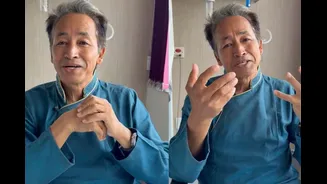
Wangchuk has been one of the most prominent faces of the protests over alleged examination irregularities, undertaking a prolonged hunger strike in support of students demanding accountability and systemic reforms. Following Pradhan's resignation, he had described the development as a "victory of democracy" and called for the movement's focus to shift from accountability to lasting reforms in the education sector.
The Centre has defended the proposed amendments to the Public Examinations law as a major step towards restoring confidence in competitive examinations. The legislation seeks to strengthen penalties for paper leaks, create faster investigation mechanisms and enhance the integrity of public examinations after months of public protests.