






New Delhi: Nearly 49 lakh of Delhi’s 1.45 crore registered electors, or around 34 per cent, are likely to fall under the absent, shifted, dead and duplicate
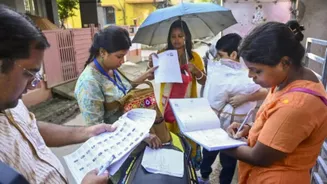
(ASDD) categories during the ongoing Special Intensive Revision (SIR) of electoral rolls, a senior election official said on Friday. The estimate comes as the house-to-house enumeration exercise approaches its August 17 deadline. The official said the final number of electors in the ASDD categories will be known at 5 pm on August 17. According to the official, 99.5 per cent of the enumeration forms distributed so far have been processed. These forms have either been digitised or placed in the ASDD category. As of August 13, 96,61,655 enumeration forms, accounting for 66.58 per cent of Delhi’s 1,45,10,298 electors, had been digitised, according to the latest report from the Delhi Chief Electoral Officer’s office. The official said the largest share of the ASDD category is expected to comprise people who have permanently shifted from their registered addresses or were not found there during the house-to-house verification. “Either their vote must have been registered somewhere else, or there is some other situation like that,” the official said. Digitisation levels vary significantly across Delhi’s districts. Outer North recorded the highest rate at around 75.51 per cent, followed by West at 72.89 per cent and South West at 72.83 per cent. North East recorded 70.54 per cent digitisation, while North West stood at 70.51 per cent. South East recorded the lowest digitisation rate at 55.15 per cent. The official said areas with lower digitisation could potentially have a higher number of electors falling under the ASDD categories. At the assembly constituency level, Rohini in North West recorded the highest digitisation at around 82 per cent. Narela and Bawana, where the rate was around 75 per cent, were also among the better-performing constituencies. The official attributed the relatively high figures in these areas to lower population movement, as they include rural areas. During the house-to-house exercise, which began on June 30, Booth Level Officers (BLOs) have been identifying electors who are absent, shifted, dead or duplicated. The lists are also being shared with Booth Level Agents appointed by political parties. The SIR exercise will conclude on August 17. The draft electoral roll is scheduled to be published on August 24, following which voters and other stakeholders can submit claims and objections until September 23. The notice and disposal process will continue until October 22, while the final electoral roll is scheduled to be published on October 27. The Delhi CEO’s office has urged electors who have not yet submitted their enumeration forms to complete the process by August 17. (With Inputs from PTI)