




What is the story about?
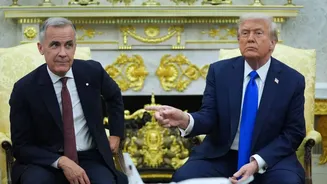
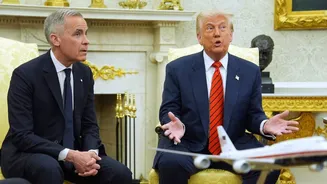
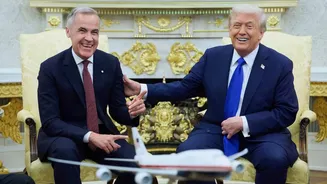
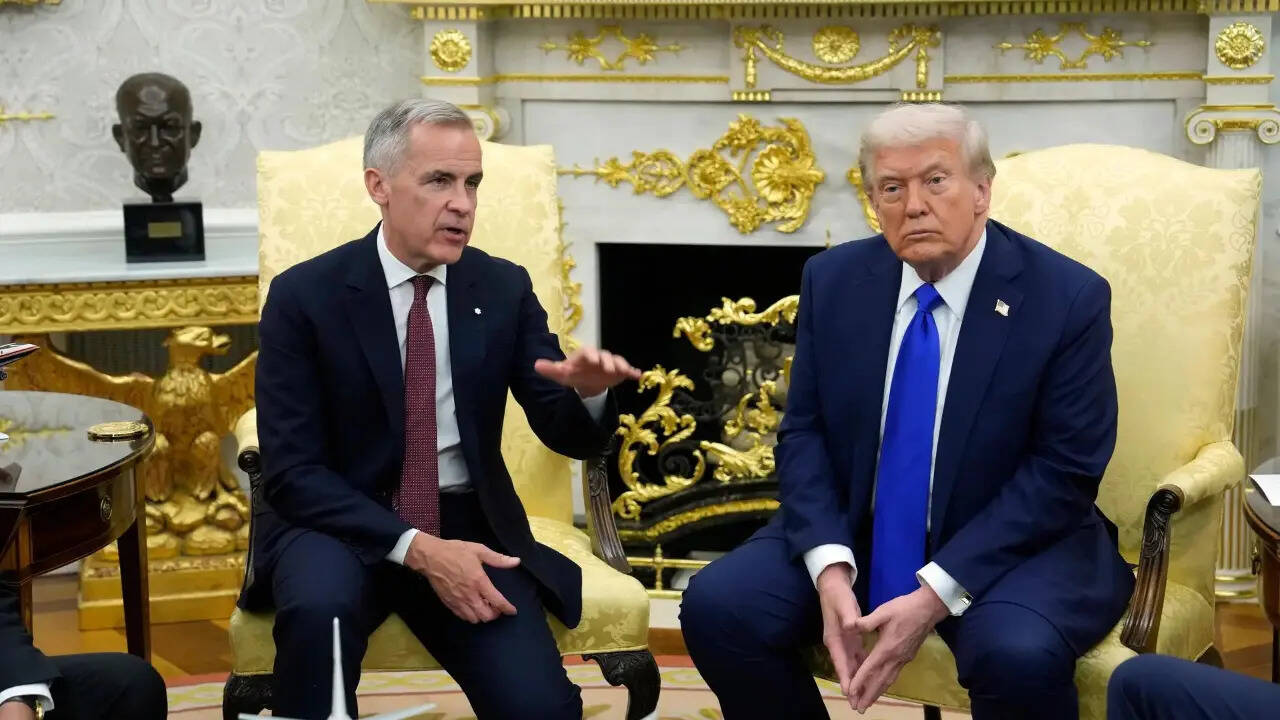
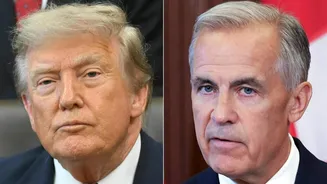
Amid the ongoing war of words between Trump and Carney, Canada is set to announce retaliatory tariffs against the United States on Tuesday. The move comes
amid an escalating trade dispute that has sharply worsened after negotiations between Ottawa and the Trump administration collapsed. The expected measures come in view of Canadian Prime Minister Mark Carney's statement that Ottawa may move away from matching US tariffs dollar for dollar and instead adopt more targeted retaliation aimed at shielding Canadian workers and businesses, an official familiar with the plans told news agency The Associated Press.
US-Canada Trade Dispute
The trade between the United States and Canada intensified after President Trump on Monday said that Canadian leaders to "fall in line" or face consequences "far WORSE" than tariffs already imposed. He further threatened the neighbouring nation with new 50 per cent tariffs on Canadian vehicles, auto parts and steel.Following Trump's remarks, Carney accused Washington of trying to subordinate Canada and said US trade demands had confirmed Canada's fears that the United States was seeking to dismantle major Canadian industries.
"An attitude at the negotiation table that Canada is a subsidiary of the United States" is "not something we're going to accept," Carney said, adding, "We learned during the negotiations that the Americans want to destroy our major industries, including autos, steel and aluminium."
"That was one of the main reasons we said no. It was a bad deal," the Canadian Prime Minister said.
The fiery words from both sides show how US-Canada relations have deteriorated since Carney walked away from trade negotiations with the Trump administration late Friday, triggering the President's threatened 50 per cent tariffs the next day on about USD 20 billion worth of Canadian goods.
Carney cast doubt on the US's reliability as a partner, saying Canada was finding reliable partners "everywhere in the world, except in the United States. Except in the United States. And Russia."
(With agency inputs)