





What is the story about?
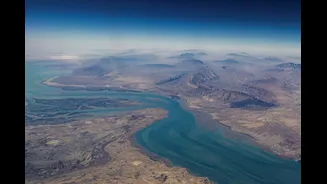
TEHRAN, Iran (AP) — Iran's control over the Strait of Hormuz is significantly impacting global energy supplies, while the nation's economy struggles to
cope with the consequences of war and U.S. sanctions. As Iranians confront soaring prices for essential goods, mass unemployment, and business closures, the resilience of the Islamic Republic's economy is being tested like never before.
Economic Impact of War and Sanctions
The war and U.S. naval blockade have inflicted unprecedented economic damage on Iran, according to Hadi Kahalzadeh, an economist at Brandeis University. He noted that despite the severe impact, Iran has a history of withstanding economic pressures and adapting to challenging circumstances.Kahalzadeh stated, “Iran can probably avoid a complete economic collapse or total shortage of essential goods, but at a very high cost. The main cost will be passed to ordinary Iranians through higher inflation, more poverty, weaker services and a much harder daily life.”
The International Monetary Fund projects that Iran's economy will contract by approximately 6 percentage points in the coming year. Meanwhile, official statistics indicate that annual inflation has reached 53.7%, with food inflation surpassing 115% compared to last year.
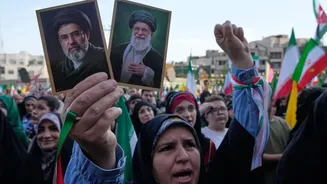
The Iranian rial has depreciated significantly, losing over half its value in the past year, plummeting to a record low of 1.9 million to the dollar. This economic turmoil has sparked widespread protests across the nation.
Rising Prices of Essential Goods
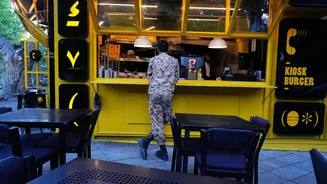
In central Tehran, taxi driver Hossein Farmani expressed his concerns about the steep price increases over the past year, stating that the cost of tea, for example, has surged by over 50% since the onset of the war.Farmani remarked, “If things keep heading in this direction, we’re going to suffer a lot more.” Grocery store visits reveal alarming price hikes, with chicken and lamb prices rising by 45%, rice by 31%, and eggs by 60% since February.
Despite government efforts to alleviate the financial burden, such as a 60% increase in the minimum wage, economist Taymur Rahmani highlighted that these measures may inadvertently contribute to inflation.
Taxi driver Mohammad Deljoo, 73, noted that he is supporting his family on a daily income of $4, attributing the economic woes to price gouging rather than shortages in goods. “We only buy what’s absolutely necessary, things like bread and potatoes. Even eggs have become too expensive for us,” he said.
Middle Class Decline and Mental Health Crisis
The ongoing war has exacerbated the decline of Iran's middle class, which has shrunk significantly due to years of sanctions and economic mismanagement. By 2019, only about 55% of the population identified as middle class, a figure that continues to dwindle.According to a U.N. report, the war may push millions of Iranians below the poverty line. A physical trainer in Tehran described the economic crisis as a mental health crisis, noting that many clients can no longer afford her services and are discussing coping strategies for anxiety.
She stated, “The system is just collapsing. The layoffs are in factories, in companies, in startups, in whatever your work is.” Meanwhile, a resident of Karaj attributed the decline to systemic corruption and the government's support for militant groups abroad.
Government's Call for Resilience
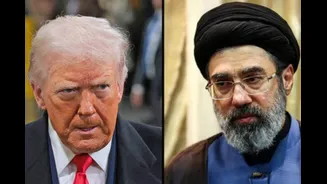
In response to the economic crisis, Iran's leaders are urging the public to endure hardships for the sake of the war effort. Supreme Leader Mojtaba Khamenei characterized the current situation as an “economic battlefield” and encouraged employers to minimize layoffs.Parliament speaker Mohammad Bagher Qalibaf emphasized the need for frugality among Iranians, stating that both government officials and citizens have a responsibility to support each other during these challenging times.
The U.S. blockade continues to hinder Iran's trade, particularly in oil exports, which are vital for the nation's economy. As the country grapples with these challenges, taxi driver Farmani expressed a strong desire for Iran to resist external pressures. “A country that has sacrificed so many martyrs and has so many people willing to give their lives cannot simply let others from across the world dictate terms to us,” he asserted.