




What is the story about?
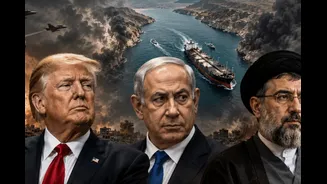
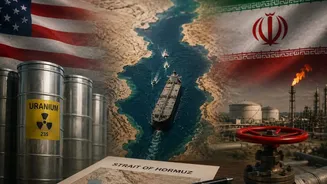
The United States and Iran on Sunday announced that they have finally struck a peace deal that would extend the ceasefire, reopen the Strait of Hormuz
and set the stage for further talks to both ultimately end the war and curb Iran's nuclear program. Neither side has released the text of the memorandum of understanding (MOU), which extends the ceasefire for 60 days while talks on a broader agreement continue. According to US Vice-President JD Vance, the document has been signed digitally. Representatives from both countries are expected to attend a formal signing ceremony in Geneva on Friday. Since the announcement, however, Washington and Tehran have offered differing interpretations of several key elements of the agreement.
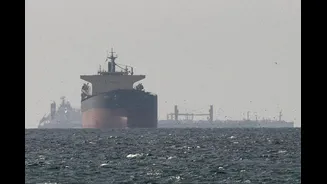
Strait of Hormuz
Iran's Position: Iran has indicated that it expects to retain a role in regulating traffic through the strategic waterway. According to Bloomberg, "Iran said ships passing through the strait would be regulated by Iran and Oman — suggesting Tehran would seek to retain some control over the waterway."
Iran also suggested on Monday that fees could be charged for certain services provided in the strait. Foreign Ministry spokesman Esmaeil Baghaei said Iran was "not seeking to levy transit tolls; however, fees will be charged in exchange for the services that are provided".
US Position: President Donald Trump has presented the agreement differently. According to The New York Times, Trump said in an interview on Sunday that the agreement would ensure the Strait of Hormuz remained "permanently toll-free". However, the newspaper reported that the memorandum only suspends any toll-related measures for 60 days and calls for future regional discussions on the waterway's long-term status. The report also noted that Iran had not charged tolls before the conflict, meaning the arrangement would largely restore conditions that existed before the war.
Financial Benefits for Iran
Iran's Position: Shortly before the agreement was announced, Reuters cited a senior Iranian official as saying that, under the draft terms, the United States would release $25bn in frozen Iranian assets. Iran's state-linked Mehr News Agency also reported that the United States and its allies would contribute to what it described as a reconstruction fund.
US Position: Trump has publicly rejected suggestions that the United States would directly provide cash payments to Iran. In a post on Truth Social on Monday, Trump wrote: "Iran has agreed to never have a Nuclear Weapon! Also, the story that the US is paying Iran 300 million Dollars is Fake News, put out by the Dumocrats!!!"
Iran's Enriched Uranium Stockpile
Iran's Position: Reuters quoted a senior Iranian official as saying that the draft agreement would permit Iran to dilute its stockpile of enriched uranium within the country. Iran has repeatedly denied seeking to develop a nuclear weapon.
US Position: Trump indicated that decisions on Iran's uranium stockpile would be addressed at a later stage. "We'll get the nuclear dust later on when we're ready to go in and do it. I'd say over the next month or two, there's no rush," he told The Wall Street Journal on Sunday. He described the issue as "harmless".
Although both governments have welcomed the agreement as a step towards ending the conflict, significant questions remain about its final terms. The full text of the memorandum has not been released, and several key provisions — including the future of the Strait of Hormuz, economic relief for Iran and the handling of Tehran's nuclear programme — remain subject to further negotiation during the 60-day ceasefire period.