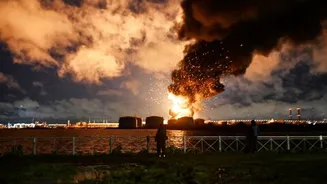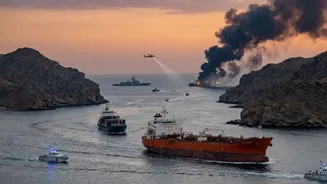




Seven oil tankers caught fire or were damaged in the Strait of Hormuz overnight after being hit by Iran or striking naval mines, Tehran said Thursday,
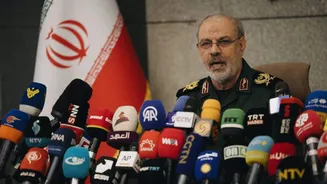
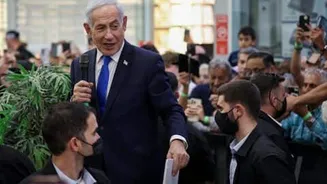
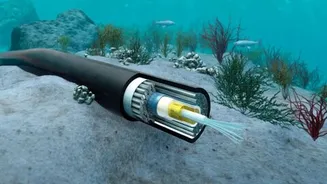
a markedly high number as tensions wind upward over concerns about a return to all-out war. With days before Israel's close elections in which Prime Minister Benjamin Netanyahu could lose power, and ahead of next month's US midterm elections in which war-linked high prices have sparked voter anger, there are concerns that US-Israeli attacks on Iran could resume. Iranian state television reported the claims about the latest attacks on ships, citing the Revolutionary Guard Corps navy, which again threatened to strike US military bases in the region if the US keeps helping to guide commercial ships through the strait. The report did not mention casualties. A British military monitor, the United Kingdom Maritime Trade Operations, did not report the attacks, but monitors in recent days have noted reluctance by some shippers to report incidents. Iran still asserts control over the waterway, a central point of leverage in any talks with the US over the war. Meanwhile, Iran's Supreme National Security Council Secretary Mohsen Rezaei has warned that any action against Tehran would come at a cost, saying Iran has the necessary capabilities to continue responding if the war persists, according to Iranian state broadcaster IRIB. As per IRIB, Rezaei on Thursday said that Iran preferred diplomacy if it could establish an understanding of the consequences of military action, but warned that Tehran was prepared for further confrontation. "Everyone should know that action against Iran has a cost. If diplomacy can create this understanding, we prefer diplomacy; but if the war continues, Iran has the necessary tools to continue responding," Rezaei said, according to IRIB's Telegram post. Iran's top diplomat, Abbas Araghchi, on Wednesday said a wary Tehran remains open to diplomacy but is ready to defend itself. Iran has warned that it has learned important military lessons from the war that began with US and Israeli attacks on February 28. In recent days, Tehran has indicated it could expand targets to include infrastructure such as undersea cables and data centres.