








Robert Levine was driving from south Florida to North Carolina last holiday season when he asked his wife to pull up ChatGPT and start asking questions
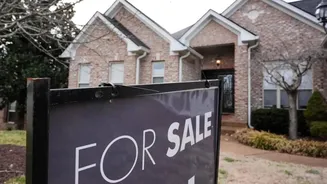
about selling their home. What began as a way to pass time on a long road trip quickly turned into something considerably more serious. By the time it was over, Levine and his wife had used the AI to handle the marketing, pricing, planning and negotiating for the sale of their Cooper City, Florida home, and sold it for $954,800. That was roughly $100,000 more than the real estate agents they consulted had suggested the property was worth. "When we met with real estate agents they lacked confidence in pricing," Levine told Fortune magazine. "ChatGPT gave us more confidence in price points of where the market was going," he added.
What the AI Actually Did
The technology handled far more than just pricing. ChatGPT advised Levine on which walls to repaint, how to maximise curb appeal, and when to schedule viewings around his busy schedule. It coached him on the small details, scuffs on walls, first impressions, presentation, that he said he would never have thought of on his own."It pushed us through all of that, including small things that I would have never thought of," Levine said. "The first impression is important. We hear that all the time about curb appeal. But also when they walk into the house, they don't want to see scuffs on the wall."
Levine showed the home to 15 prospective buyers. One third submitted an offer. The property sold for one of the highest per-square-foot prices in the local market, despite, by his own admission, not having the best view, the largest lot, or the most updated finishes in the area.
Who Levine Is and Why He Says Anyone Can Do This
Levine is the CEO of strategic consulting firm ComOps, where he advises casinos and hospitality brands on how to use AI. His technological fluency is above average. But he insists the approach he took is not out of reach for ordinary homeowners."ChatGPT is not coding. It is a conversation, and you're going to have to have that conversation with a real estate professional if you want to go that direction anyway," he said. "I'd recommend it to everyone."
What the AI Couldn't Do
Levine is clear-eyed about the limitations. He had to remain actively engaged throughout the entire process, prompting the AI at each step rather than handing things over to run autonomously. He also hired his own lawyer for the legal aspects of the transaction. And the technology, however capable, couldn't physically host an open house or pack up his family's belongings.He still believes real estate agents serve a purpose, particularly for buyers navigating an unfamiliar process. But for sellers, he thinks the technology offers something real estate agents often didn't in his experience: confidence.
"It doesn't necessarily replace professionals," he said. "But it does allow us all to have the ability to be more curious and to feel more confident in the decisions we're making."
Levine's experience sits within a broader shift. AI tools are handling increasingly complex tasks once reserved for professionals, and everyday people are starting to notice. Whether that eventually reshapes the real estate industry the way it has already begun reshaping others is a question the industry itself is watching carefully.