





A routine day of manual work turned into a fight for survival for a 24-year-old Nepali man when a sudden wall of floodwater swept through Bidur near the
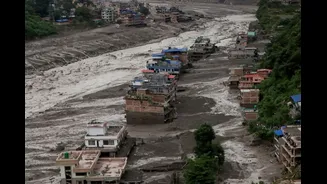
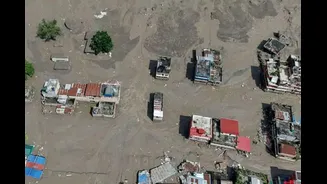
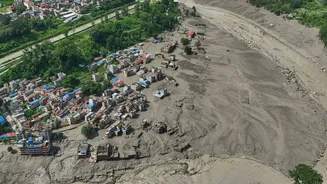
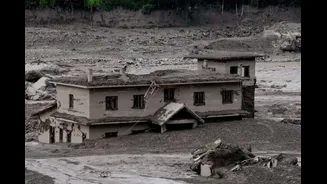
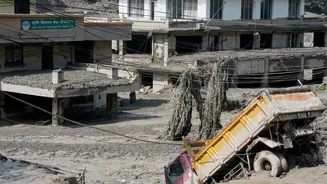
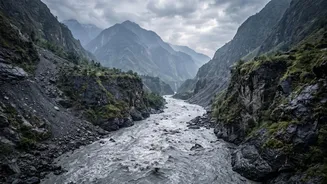
Nepal-Tibet border, leaving him with just one unlikely refuge - a mango tree. Bibek Kumal was digging a toilet pit outside a newly constructed house when the devastating flash floods struck on Wednesday. The five-foot-deep pit quickly became a death trap as water, mud, rocks and debris came rushing towards the area. Kumal said his four colleagues immediately began shouting at him to run after spotting the approaching floodwaters. They managed to flee, but Kumal had to scramble out of the pit before attempting to escape. “I started running. Then a wall of water came thundering down as if it were an earthquake,” Kumal told Reuters from his hospital bed at Kathmandu’s National Trauma Centre, where he was being treated with his brother Dinesh by his side. As the torrent swept through the area, Kumal was carried away by the force of the water. In the middle of the chaos, he managed to reach and cling to a nearby mango tree, which ultimately became his only protection from the raging floodwaters. From the tree, Kumal watched helplessly as the newly built house disappeared amid the powerful current. He remained stranded there until police personnel eventually reached the spot and rescued him. The 24-year-old suffered injuries to his right leg after being hit by the rushing water and a large rock. Despite the ordeal, he said his own house in another location was spared from the disaster. “Luckily, I was stuck up in a mango tree. Had there been no mango tree, I would have been washed away to death,” Kumal said, describing the tree as the reason he survived the terrifying ordeal. At least three other people injured in the floods were also undergoing treatment in Kathmandu, while more victims continued to be brought to the capital for medical assistance. Meanwhile, the devastating floods have caused widespread destruction across Nepal, with the reported death toll rising to 475 and scores of people still missing. The disaster has affected three districts, destroying or damaging homes, vehicles, roads, bridges and hydropower infrastructure. The flash floods were triggered after an ice-rock avalanche linked to a glacial collapse near the Nepal-Tibet border sent an enormous surge of water, mud and debris downstream through central Nepal. The torrent swept through towns and villages along its path, leaving extensive destruction in its wake. The disaster has also raised concern in India, with Nepal Foreign Minister Shisir Khanal reportedly saying that around 300 Indians were missing after flash floods struck the Bhote Koshi River in the Rasuwa region on Wednesday.