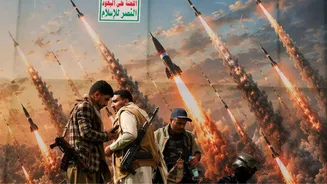








The UAE's Defence Ministry said on Tuesday that it detected two ballistic missiles launched from Iran towards the country, triggering an emergency alert
telling residents to seek shelter. The ministry said its air defence systems had detected the missile threat, while the Interior Ministry urged people to "immediately seek a safe place in the closest secure building". The National Emergency Crisis and Disaster Management Authority (NCEMA) said on X that UAE air defence systems had detected a missile threat targeting the country. "UAE air defence systems detected a missile threat targeting the county. Please remain in a safe location and follow warnings and updates issued through official channels," it said. The UAE defence ministry separately said it had "detected a missile threat directed towards the country". The alert is the first such warning in months. The last missile warning came in early May, while a June alert was later found to have been caused by a technical malfunction in the national early warning system. In July, the UAE issued another warning over an attack that ultimately did not enter its territory. The latest alert comes a day after a memorandum of understanding between the US and Iran aimed at ending the fighting in the Middle East expired.
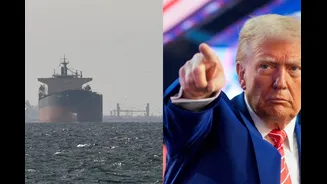
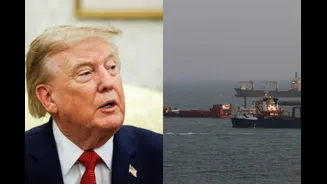
The UAE has also reported a recent attack involving an Abu Dhabi National Oil Company (ADNOC) vessel. It said Iran attacked the vessel while it was transiting the Strait of Hormuz on Friday.
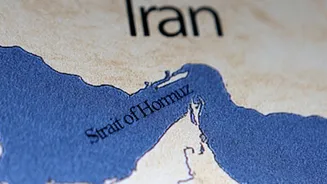
The UAE foreign ministry subsequently called on Iran to stop what it described as unprovoked attacks, end hostilities and fully reopen the Strait of Hormuz.
When the wider Middle East war began on 28 February, the UAE was among the countries most affected by Iranian attacks. Nearly 3,000 missiles and drones were directed at the UAE, according to the account provided by the country, more than against any other country in the region.
Following the implementation of a memorandum of understanding in June, the UAE reported no attacks for a period, while other Gulf states continued to face attacks.
US-Iran MoU Expires
US President Donald Trump and Iranian President Masoud Pezeshkian signed the 14-point memorandum on 17 June. It was intended to halt more than three months of fighting that had killed thousands and disrupted commercial shipping through the Gulf, including oil and gas exports.
The agreement left several major disputes, including Iran's nuclear programme, to be addressed in later negotiations.
It stated that the US, Iran and their allies would “declare the immediate and permanent termination of military operations on all fronts, including in Lebanon”.
The parties also agreed “not to initiate any war or any military operation against each other and to refrain from the threat or use of force against each other”.
The proposed final agreement was to confirm a permanent end to the war and be endorsed by the UN Security Council. It was to be reached within 60 days, although the period could be extended by mutual consent.
Under the memorandum, the US was also required to end its naval blockade within 30 days of a final agreement and begin work on a reconstruction and development package for Iran worth at least $300bn.
Washington was also required to lift sanctions against Iran, issue waivers allowing Iranian oil exports and allow Tehran access to billions of dollars in frozen funds abroad.
Iran, meanwhile, was required to clear mines from the Strait of Hormuz and allow ships to pass through the waterway “with no charge” for 60 days.
Iran also reaffirmed that it would not acquire or develop nuclear weapons and would maintain the existing status quo.