





What is the story about?
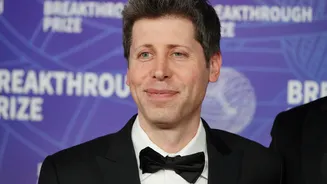
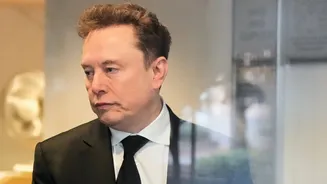
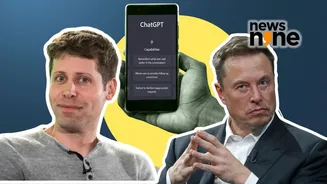
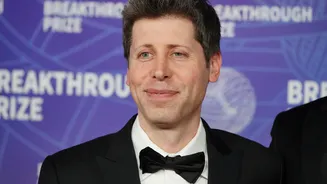
OAKLAND, Calif. (AP) — Elon Musk and Sam Altman, leaders in the technology sector, are currently embroiled in a significant trial addressing allegations
of betrayal and ambition that have strained their previous collaboration on artificial intelligence development. The trial, which commenced with jury selection on Monday, focuses on the founding of OpenAI in 2015 as a nonprofit supported by Musk, which has since transitioned into a for-profit entity valued at $852 billion.
Legal Allegations and Counterclaims
The outcome of the trial could have substantial implications for the future of artificial intelligence, a technology that is increasingly viewed as a potential threat to employment and humanity's survival. Musk, the wealthiest individual globally, cites these concerns as reasons for his lawsuit filed in August 2024, which will now be adjudicated by a jury and U.S. District Judge Yvonne Gonzalez Rogers in Oakland, California.Musk's civil lawsuit accuses Altman, the CEO of OpenAI, and Greg Brockman, his top associate, of deviating from the company's original mission to serve as a benevolent steward of transformative technology. The lawsuit alleges that they shifted towards profit-making without Musk's knowledge.
OpenAI has dismissed Musk's claims as unfounded, suggesting they stem from resentment over the company's rapid growth, which Musk perceives as a threat to his own venture, xAI, established in 2023.
Jury Selection and Trial Dynamics
During jury selection on Monday, Judge Gonzalez Rogers inquired about potential jurors' opinions regarding Musk, Altman, and artificial intelligence, assessing their ability to remain impartial. While some jurors expressed negative views of Musk, most indicated they could focus on the case's factual elements.Musk, who contributed approximately $38 million to OpenAI from December 2015 to May 2017, initially sought over $100 billion in damages. However, following unfavorable pre-trial rulings, he has adjusted his claim to seek an undisclosed amount intended to support OpenAI's charitable initiatives, funded primarily through its for-profit activities and investments from Microsoft, which became the company's largest investor after Musk ceased his funding.
Implications for Musk and the Trial's Context
The trial poses risks for Musk, who was recently found liable for defrauding investors during his $44 billion acquisition of Twitter in 2022. Any negative revelations about Musk's business practices could adversely impact his upcoming plans for a public offering of SpaceX, which could position him as the world's first trillionaire.The proceedings are anticipated to feature compelling testimony from both Musk and Altman, highlighting their contrasting perspectives on the evolution of artificial intelligence. Musk's reputation as a visionary is tempered by controversies surrounding his conduct, including social media behavior and unfulfilled promises related to Tesla's self-driving technology.
The Background of Musk and Altman's Collaboration
Musk's and Altman's partnership began in 2015, with a shared vision to develop AI responsibly, countering the profit-driven motives of competitors like Google and Facebook. However, the relationship deteriorated, culminating in Musk's decision to withdraw funding, which he claims was in response to deceptive practices within OpenAI.Evidence submitted ahead of the trial includes an email exchange from February 2023, where Altman expressed gratitude for Musk's contributions but also voiced hurt over Musk's public criticisms of OpenAI. Musk responded, emphasizing the stakes involved in the development of AI technology.