








Iran is planning to have a majority of its damaged refining and fuel distribution network back to around 70–80 per cent of pre-strike capacity within the
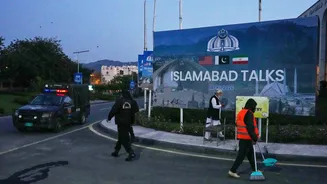
next one to two months, according to a senior oil official, as recovery efforts intensify following attacks on key energy infrastructure, state a Reuters report. Mohammad Sadeq Azimifar, Deputy Minister of Oil, speaking to the Student News Network, said restoration work is already underway. He noted that sections of the Lavan refinery could restart operations in roughly 10 days, while remaining units will be brought back in phases over time, according to the report. Iran refine capabilities are also crucial for safeguarding crude exports, a key pillar of Iran’s economy. Restoring facilities to around 70–80 per cent of their earlier capacity would allow authorities to stabilise supply chains, limit financial losses, and sustain revenue flows at a time of heightened pressure. Failed Ceasefire Talks Deepen Standoff The recovery push also comes against the backdrop of unsuccessful negotiations between the United States and Iran held in Islamabad. The discussions, which stretched close to 21 hours, ultimately broke down over sharp differences on Iran’s nuclear programme, sanctions relief, and control over key maritime routes. President Donald Trump had optimism prior to the meeting, saying, “We're going to open up the Gulf with or without them... or the strait as they call it. I think it's going to go pretty quickly, and if it doesn't, we'll be able to finish it off. We will have that open fairly soon.” However, Tehran rejected the cesefire settlement what it described as “excessive” demands from Washington, reiterating its stance on protecting strategic and economic interests. This included maintaining control over vital energy corridors and preserving its nuclear position. The impasse has prolonged uncertainty in the region, adding another layer of complexity to an already fragile geopolitical environment.