
US President Donald Trump has granted a waiver from sanctions, restrictions and duties provided for under the Sanctioning Russia and Iran Act, offering
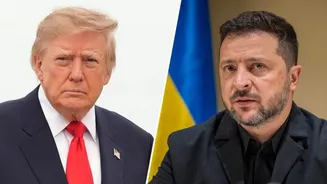
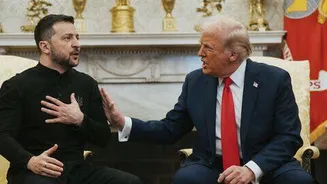
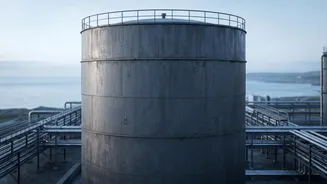
potential relief to major buyers of Russian energy, including India and China. In an executive order issued on Friday evening, Trump cited the national interest of the United States as the reason for suspending the application of the measures. The decision comes shortly before key provisions of the legislation were scheduled to take effect, easing concerns over possible punitive tariffs on countries importing Russian crude oil and natural gas. The legislation, known as the Lindsey O. Graham Sanctioning Russia and Iran Act of 2026, authorised the US administration to impose wide-ranging sanctions on Russia and tariffs of up to 100 per cent on goods entering the American market from major buyers of Russian oil and gas. For India, which has relied heavily on Russian crude to meet its energy requirements, the waiver could help reduce the immediate threat of additional trade costs. However, uncertainty surrounding global oil supplies and growing competition from China could continue to complicate purchases from Moscow. What Did Trump Announce On Russia Oil Sanctions? Trump signed the sanctions legislation into law in mid-September. It included provisions targeting major importers of Russian energy and countries accused of helping Moscow circumvent existing restrictions. The law provided for tariffs of up to 100 per cent within 30 days on goods imported into the US from the five largest buyers of Russian crude oil or gas. It also covered countries that knowingly purchased Russian energy after the specified period and those among the five largest countries helping Russia evade sanctions. Trump subsequently issued an executive order suspending the application of the sanctions, restrictions and duties covered by the law. “I am hereby waiving the application of such sanctions, restrictions, and duties provided for in the Graham Act,” Trump said in an executive order issued on Friday evening. The order stated that Trump had submitted a certification to Congress confirming that the waiver was in the national interest of the United States. The decision follows a period of uncertainty over Washington's approach to Moscow. Trump has adopted a more conciliatory tone towards Russia while criticising Ukrainian President Volodymyr Zelenskiy, adding to questions about the future direction of US policy on the conflict. India Gets Relief As Russian Crude Remains Important Russia has emerged as India's largest crude oil supplier since the start of the Russia-Ukraine war. European sanctions prompted Moscow to redirect supplies towards Asian buyers, offering discounted crude that Indian refiners increasingly purchased. The latest waiver could ease concerns that punitive US tariffs would make Russian oil purchases more expensive for India or expose Indian exporters to significantly higher duties in the American market. The stakes are considerable because the US is one of India's largest trading partners. Tariffs of up to 100% could have affected Indian exporters, while restrictions on Russian oil could have forced domestic refiners to seek alternative supplies at potentially higher prices. India's energy security has also faced challenges due to disruptions in the Middle East, a major source of crude oil, liquefied petroleum gas (LPG) and liquefied natural gas (LNG). Disruptions to shipments through the Strait of Hormuz have added to the need for India to diversify its sources of energy. Russian crude has helped India maintain supplies amid these challenges. However, the waiver does not automatically guarantee that imports will increase, as actual purchases will also depend on availability, pricing, shipping arrangements and other applicable restrictions. What The Waiver Means For India's Energy Outlook The US decision removes an immediate source of concern over the sanctions legislation, but it does not eliminate the wider risks facing India's energy market. Indian refiners will continue to weigh the cost and availability of Russian crude against supplies from the Middle East and other producers. Global oil prices, freight costs, geopolitical developments and competition from China will all influence future purchasing decisions.