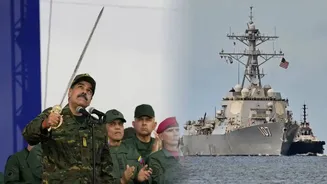








Venezuela has escalated its confrontation with the United States and a key Caribbean neighbour by announcing the immediate suspension of all natural gas
contracts with Trinidad and Tobago. In a blistering statement dated December 16, the Government of the Bolivarian Republic of Venezuela said it was responding to what it called the “theft of Venezuelan oil” by the US administration during a December 10 operation against a tanker carrying Venezuelan crude. Caracas framed the move as a necessary step to defend national “sovereignty and the right to development” amid rising tensions in the Caribbean. According to Venezuela’s communique, authorities have “full knowledge” of the participation of Trinidad and Tobago’s government in the “theft of Venezuelan oil,” accusing Port of Spain of facilitating a US “assault” on a vessel transporting a “strategic Venezuelan product.” The statement describes the tanker seizure as an “act of piracy” and a grave breach of international law, echoing earlier denunciations after US forces boarded and seized a sanctioned oil ship off Venezuela’s coast. Officials in Caracas say the incident answers a question now trending online — “what is happening in Venezuela?” — with the government portraying itself under economic and military siege.
Maduro Targets Trinidad Over US Alignment
In its English-language summary, the Venezuelan government attacks Trinidad and Tobago’s leadership, claiming the prime minister has advanced a “hostile agenda” against Caracas by allowing US military assets to operate from its territory. Venezuelan state media and allied outlets have previously accused Trinidad of turning itself into a “US aircraft carrier” against Venezuela by hosting American warships and security infrastructure near shared maritime areas. The new statement repeats that charge, calling Trinidad a “vassal” of a “colonial entity” and linking the gas suspension directly to alleged collaboration in the December 10 tanker action.
Also Read: What Is Turtle Island Liberation Front? FBI Identifies Group Behind Foiled ‘Terror Plot’ To Blow Up Locations In Los Angeles
The decision effectively freezes the Dragon gas framework and other cross‑border energy projects that once symbolised pragmatic cooperation between Venezuela and Trinidad and Tobago. The Dragon field, in Venezuelan waters off the northeast coast, had been central to plans to pipe gas to Trinidad for processing and LNG export under US Treasury licences designed to navigate sanctions. Analysts say the suspension undercuts Trinidad’s strategy to plug gas deficits and raises fresh uncertainty about whether Washington’s sanctions waivers can keep regional energy diplomacy on track.
US Seizure Fuels “Piracy” Narrative
Venezuela’s latest retaliation comes days after US officials confirmed a seizure operation against a sanctioned supertanker off the country’s coast, part of an effort to disrupt what Washington describes as an illicit oil network tied to Venezuela and Iran. US authorities say federal agents, coast guard units and military assets executed a court‑approved warrant targeting crude shipments that violate sanctions, insisting the action was lawful and aimed at cutting funds to hostile actors. Caracas, however, has branded the move “blatant theft” and “international piracy,” saying it shows the US is not formally “at war” with Venezuela but is waging a de facto economic and maritime offensive.
Also Read: 'Almost Had MidAir Collision': JetBlue Plane Pilot's Audio Captures Panic as US Air Force Jet Crosses Path
President Nicolás Maduro Moros, who has long rejected accusations that Venezuela is a communist state while championing “21st‑century socialism,” now casts the country’s standoff with the US and its allies as a fight against neocolonial resource grabs. In the gas suspension statement, Caracas declares that Venezuela “demands respect” and vows it “will not allow any colonial entity and its vassals” to undermine its sovereignty. Officials say existing oil and gas assets will be redirected to partners they deem respectful of Venezuelan independence, even if that means sacrificing short‑term revenue for a more confrontational posture.