



What is the story about?
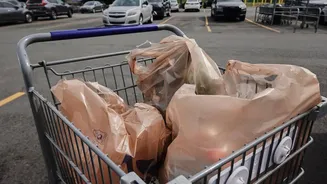
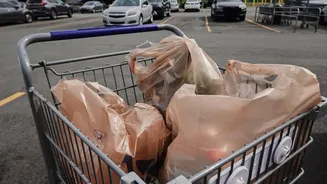
NEW YORK (AP) — Soft, stretchy plastics such as grocery bags and bubble wrap pose significant disposal challenges due to their environmental impact. If
discarded in landfills, these materials can take hundreds of years to decompose and may release harmful microplastics into ecosystems. In 2018, over 3 million tons of plastic bags, sacks, and wraps ended up in U.S. landfills, according to the Environmental Protection Agency. Recycling these items through curbside bins can complicate the recycling process, leading to equipment malfunctions in recycling facilities.
Understanding Plastic Films
Plastic films encompass various products, including grocery bags and overwraps for bulk items. Identifying these materials can be challenging, but experts recommend looking for the familiar three-arrow recycling logo, which indicates the type of plastic rather than its recyclability.Commonly, plastic films are marked with the numbers two or four, indicating high or low-density polyethylene. These types can often be recycled at designated grocery or convenience stores. However, items lacking these numbers may consist of multiple plastic layers, complicating their disposal.
For example, plastic wraps for meats may include several layers, making them unsuitable for curbside recycling. This practice, known as wishcycling, can hinder the processing of other recyclable materials.
Recycling Alternatives
Instead of placing plastic bags in household recycling bins, individuals should utilize designated drop-off locations at grocery stores. Once collected, these bags are processed into new products, such as outdoor decking by companies like Trex.Recyclers typically accept grocery bags and soft plastics labeled with the numbers two and four. It is essential to check specific store policies regarding what types of plastic can be recycled and to ensure that items are clean and free from food residues before dropping them off.
In some cases, grocery stores may discontinue in-store drop-off programs due to concerns about improper recycling. However, alternative organizations, such as the NOVA Creative Reuse Center in Virginia, accept donations of bubble wrap and other materials for creative reuse.
Reducing Plastic Use
To mitigate reliance on plastic films, consumers can opt for reusable bags and seek products with minimal plastic packaging. While plastic wrap serves a critical role in food preservation, individuals can make simple choices, such as selecting loose fruits instead of pre-packaged ones.Shopping locally and secondhand can further reduce plastic consumption associated with shipped products. By adopting these habits, consumers can contribute to a decrease in plastic waste.
Maximizing the Use of Existing Bags
Repurposing plastic bags can extend their lifecycle. Using the same bags for multiple grocery trips or for trash can liners can reduce the frequency of disposal. Other practical uses include employing delivery bags for pet waste or storing wet items after a day at the beach.While some plastic items may ultimately end up in the trash, experts emphasize that incremental changes in habits can collectively lead to a positive impact on the environment. Small adjustments are better than inaction, as they contribute to overall waste reduction efforts.