






What is the story about?
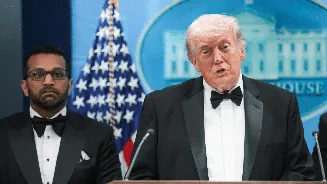
Special envoy Steve Witkoff and President Trump's son-in-law Jared Kushner were packed and ready to fly to Islamabad on Saturday for talks aimed at ending
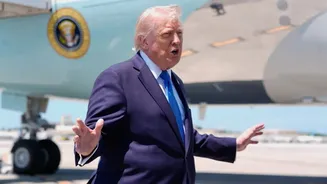
the war in Iran. They never got on the plane. Trump called off the trip at the last minute, citing cost, travel time, and doubts about who the American negotiators would actually be sitting across the table from. "Too much travelling, takes too long, too expensive. They weren't meeting with the leader of the country. They were meeting with other people," Trump told reporters before boarding Air Force One. "I said we're just not going to do it." What happened next caught attention. Trump claimed that within ten minutes of cancelling the trip, Iran submitted a revised and improved offer.
"They gave us a paper that should've been better. And interestingly, immediately when I cancelled it, within 10 minutes we got a new paper that was much better," he said. The core demand from the American side, he added, remains straightforward: Iran will not be permitted to develop a nuclear weapon.
"They offered a lot, but not enough," Trump said.
"We Have All the Cards"
Trump was blunt about where he believes the leverage sits in these negotiations. He pointed to what he described as serious internal divisions within Iran's leadership, suggesting the country is in no position to play hardball."They are fighting with each other, there's tremendous infighting. I think they're fighting not to be leader because we knocked out two levels of leaders," he said. "When they want, they can call me. We have all the cards, we've won everything."
Asked whether he planned to maintain the current ceasefire, Trump was dismissive. "I haven't even thought about it," he replied.
Where Things Stand
The cancelled trip is the latest signal that a deal between Washington and Tehran remains a long way off. A previous visit to Islamabad by Vice President JD Vance also ended without progress. The two sides remain deadlocked over Iran's nuclear stockpile and control of the Strait of Hormuz, through which roughly a fifth of global oil supplies pass.Iran's foreign minister, Abbas Araghchi, had been in Islamabad for talks with Pakistani officials before leaving for Oman. After departing, he posted on social media that Iran had shared a "workable framework to permanently end the war," without providing specifics. He added: "Have yet to see if the U.S. is truly serious about diplomacy."
For now, both sides appear to be waiting for the other to blink.