






What is the story about?
HONG KONG (AP) — Asian stock markets experienced a downturn on Friday, following Wall Street's most significant decline since the onset of the Iran war.
Investors expressed increasing concerns regarding the prospects for de-escalation in the ongoing conflict. In Japan, the Nikkei 225 index fell 0.2% to 53,476.06, while South Korea's Kospi decreased by 1.8% to 5,361.29. Conversely, Hong Kong's Hang Seng index rose 0.6% to 24,992.06, and the Shanghai Composite index was up 0.3% at 3,899.12.
Wall Street's Performance
On Thursday, Wall Street experienced its worst decline since the Iran war began, with the S&P 500 plummeting 1.7% to 6,477.16. The Dow Jones Industrial Average fell by 1% to 45,960.11, while the Nasdaq composite dropped 2.4% to 21,408.08, marking a 10% decline from its recent all-time high, which is classified as a 'correction.'The uncertainty surrounding potential de-escalation negotiations between Washington and Tehran has contributed to market instability this week.
Political Developments
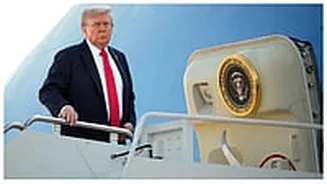
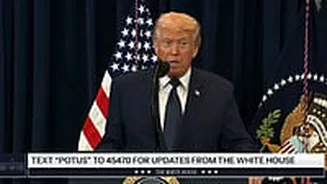
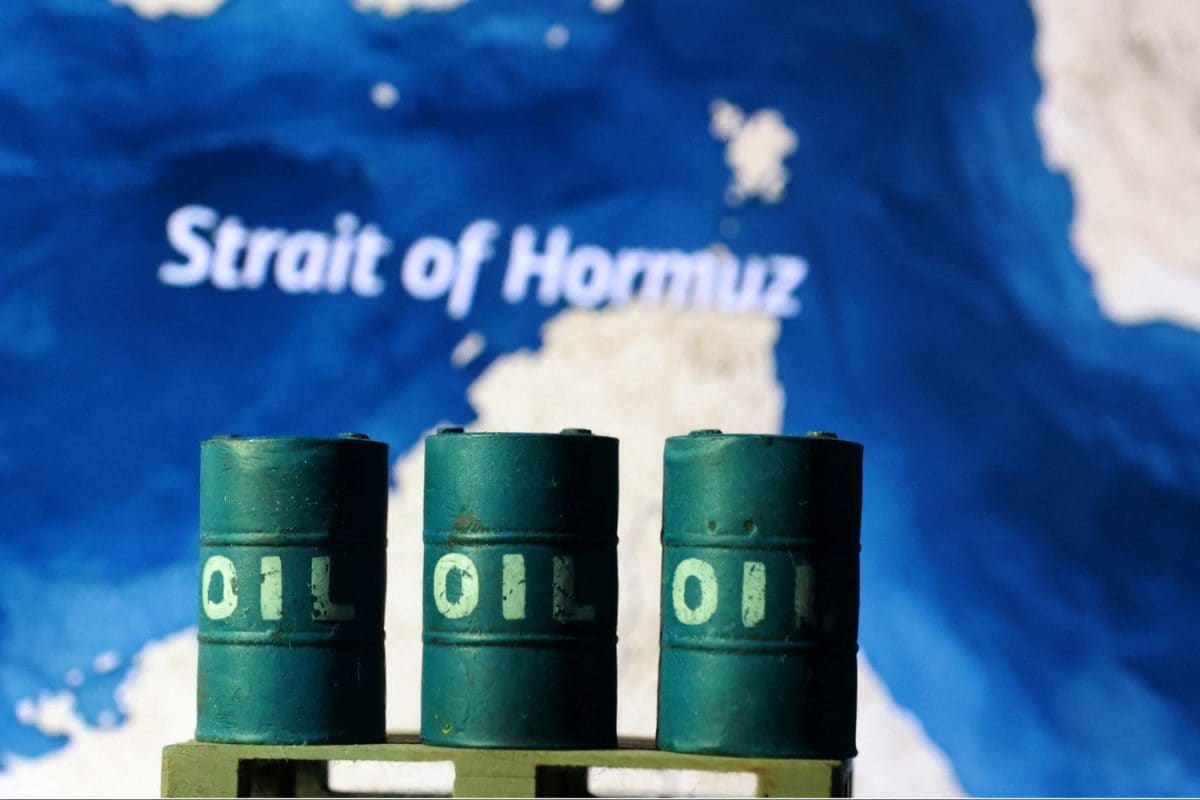
Shortly after the closure of Wall Street trading on Thursday, U.S. President Donald Trump announced a postponement of a threatened attack on Iran's energy facilities. He extended the deadline for Iran to reopen the Strait of Hormuz, a vital waterway for oil and gas transport, until April 6.Concerns regarding the end of the conflict escalated after Iran rejected a U.S. ceasefire proposal and presented a counterproposal, coupled with the deployment of additional U.S. troops to the region. This ongoing war, now in its fourth week, is anticipated to contribute to global inflation and adversely affect the economic growth of numerous countries, driven by rising energy costs and trade disruptions.
Market Reactions
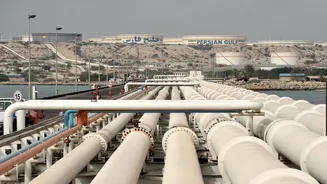
The Strait of Hormuz has largely remained closed since the commencement of the Iran war, although Iran claims it is only closed to its adversaries. Reports indicate that Iran has established a 'toll booth' for vessels navigating the strait, with some ships reportedly paying for passage using China's yuan currency.Oil prices saw another decline on Friday following earlier gains. Brent crude futures, the international benchmark, fell by 0.8% to $101.03 per barrel, down from above $102 on Thursday. Meanwhile, benchmark U.S. crude decreased by 0.9% to $93.60 per barrel.
In early trading on Friday, gold and silver prices rose, with gold increasing by 1.3% to $4,431.80 per ounce and silver rising by 2.1% to $69.39.
The U.S. dollar weakened against the Japanese yen, trading at 159.56, down from 159.81. The euro also strengthened, trading at $1.1540, up from $1.1527.