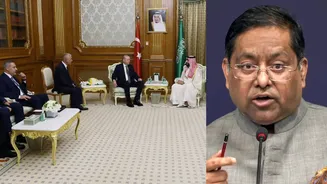

Saudi Arabia, Pakistan and Turkey have signed a landmark joint defence agreement as tensions across the Middle East continue to rise following the US-Israel
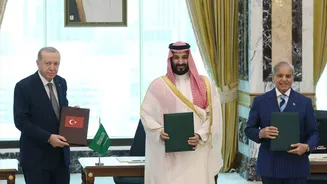
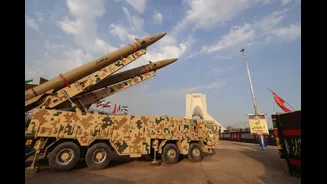
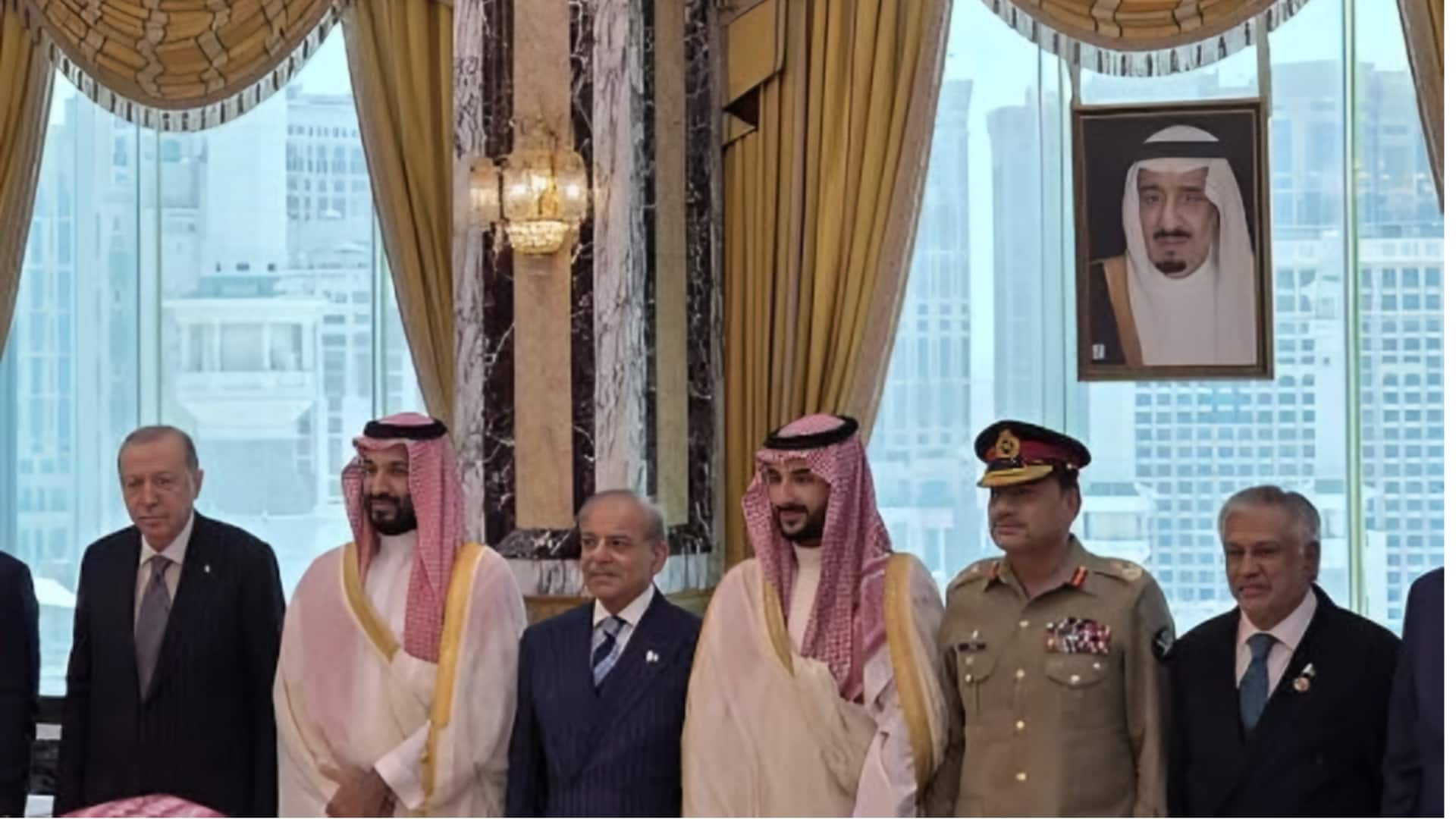
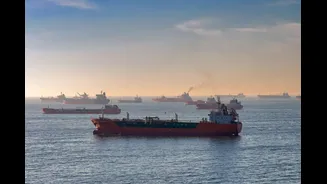
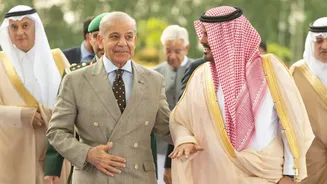
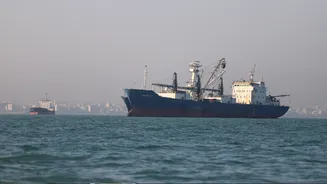
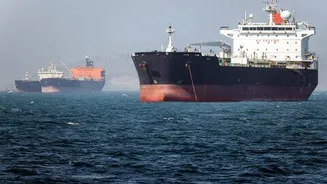
war with Iran, attacks on Gulf states and growing uncertainty over the region’s security order. The agreement, known as the Mecca Joint Defence Agreement, was signed in Saudi Arabia’s holy city of Mecca by Saudi Crown Prince and Prime Minister Mohammed bin Salman, Turkish President Recep Tayyip Erdogan and Pakistani Prime Minister Shehbaz Sharif on August 7, 2026. The pact states that an armed attack against any one of the three countries would be considered an attack against all three, signalling a move towards deeper military coordination among three of the most influential Muslim-majority nations. However, the agreement stops short of creating a NATO-style alliance, with officials stressing that it is defensive in nature and not aimed at any specific country. Why was the Saudi Pakistan Turkey defence pact signed now? The agreement comes at a time of unprecedented instability in the Middle East. The region has witnessed a series of military escalations involving Israel, Iran and armed groups linked to Tehran. Saudi Arabia, despite its long-standing security partnership with the United States, has faced growing threats to its territory, energy infrastructure and shipping routes. Iranian forces and Iran-backed groups have launched attacks against Gulf countries amid the wider conflict. The crisis has also affected maritime security, with attacks on commercial vessels and disruptions around key waterways, including the Strait of Hormuz and the Red Sea. For Saudi Arabia, the agreement reflects concerns that traditional security guarantees may no longer be enough to protect its interests. Riyadh has been seeking greater regional defence cooperation while continuing its economic transformation plans under Vision 2030. Turkey and Pakistan, although not directly involved in the Iran conflict, have also expressed concerns over regional instability, the expansion of conflicts and threats to their economic and security interests. What does the agreement include? The full details of the defence pact have not been released, but the three countries said it aims to strengthen collective deterrence and improve cooperation in security and defence matters. The agreement is expected to include:
- Greater military coordination and strategic consultations
- Intelligence sharing
- Defence industry cooperation
- Joint training and capacity building
- Protection of regional security interests
Saudi Arabia brings significant financial resources and one of the world's largest defence budgets.
Turkey contributes NATO-standard military capabilities, a large armed force and a rapidly expanding defence industry, including drones, naval technology and military equipment.
Pakistan contributes decades of military experience, strategic expertise and one of the world's largest armed forces.
The nuclear angle: Does Pakistan’s nuclear capability change the equation?
The presence of Pakistan, the only nuclear-armed Muslim-majority country, has triggered speculation about whether the pact could involve a nuclear security dimension.
Pakistan has repeatedly denied that its nuclear weapons could be extended to protect allies.
Officials have previously stated that nuclear weapons remain part of Pakistan’s national defence strategy and are not intended to be shared with partner countries.
Saudi officials have also rejected claims that the agreement is linked to nuclear ambitions or an arms race.
Saudi Deputy Minister for Public Diplomacy Rayed Krimly said the agreement was not designed to create a military bloc or pursue nuclear objectives.
However, analysts say Pakistan’s nuclear status adds strategic weight to the partnership. Even without any nuclear-sharing arrangement, Islamabad’s presence gives the alliance a different geopolitical significance compared with previous regional security agreements.
The pact could also increase discussions about Saudi Arabia’s own long-term nuclear ambitions. Riyadh has previously expressed interest in developing civilian nuclear capabilities and has sought international cooperation in the sector.
Is the pact aimed at Iran?
Officials from Saudi Arabia and Turkey have insisted that the agreement is defensive and not directed against any particular country.
However, Iran remains one of the biggest security concerns for Gulf states.
Saudi Arabia and Iran have historically competed for regional influence, although they restored diplomatic relations in 2023 through a China-brokered agreement.
The recent escalation between Iran and Israel, along with attacks involving Iranian allies, has revived fears of a wider regional conflict.
Iran has not officially responded to the agreement, but some Iranian lawmakers criticised the move, arguing that security partnerships with outside powers cannot replace diplomatic solutions.
Analysts believe the pact is less about preparing for direct confrontation with Iran and more about building deterrence and reducing dependence on external security guarantees.
What does it mean for Israel?
Israel has not officially commented on the agreement, but the pact comes amid growing tensions over Israeli military operations in Gaza, Lebanon and Syria.
Turkey has emerged as one of Israel’s strongest critics over its Gaza campaign, while Pakistan has also condemned Israeli actions and rejected proposals that undermine Palestinian statehood.
Saudi Arabia has maintained that normalisation of relations with Israel depends on progress towards a Palestinian state.
The defence pact could complicate US efforts to expand the Abraham Accords, which aimed to establish diplomatic relations between Israel and more Muslim-majority countries.
However, officials involved in the agreement have avoided describing it as an anti-Israel alliance.
How significant is Turkey’s role?
Turkey’s participation gives the agreement major military importance.
As a NATO member with one of the largest armies in the alliance, Turkey has developed significant defence capabilities in recent years, particularly in drone technology.
Saudi Arabia has become a major buyer of Turkish defence products, including unmanned aerial systems.
The partnership also builds on existing military cooperation between Turkey and Pakistan, including naval exercises, aircraft cooperation and defence manufacturing.
Pakistan’s strategic position
For Pakistan, the agreement strengthens its role as a major security player beyond South Asia.
Islamabad has maintained close defence ties with Saudi Arabia for decades, including military training programmes and deployments.
Pakistan has previously sent troops, aircraft and defence systems to Saudi Arabia, although it has avoided direct involvement in conflicts involving Iran.
The new agreement allows Pakistan to expand its diplomatic influence while balancing relations with both Gulf countries and Iran, with whom it shares a border.
A new regional security architecture?
Experts say the agreement reflects a broader shift in Middle East politics.
For decades, regional security relied heavily on the United States as the main military guarantor. However, repeated conflicts, uncertainty over US commitments and growing regional rivalries have pushed countries to explore independent security arrangements.
The Saudi Pakistan Turkey pact represents an attempt by major regional powers to build a more locally driven security framework.
While it does not replace existing alliances, it signals that Middle Eastern and Muslim-majority countries are increasingly seeking greater control over their own defence strategies.
The long-term impact of the agreement will depend on whether the three countries translate political symbolism into practical military cooperation, and whether it helps reduce instability or creates new rivalries in an already volatile region.