






What is the story about?
ISLAMABAD (AP) — Pakistan has initiated preparations for a new round of talks between the United States and Iran, scheduled just days before a fragile
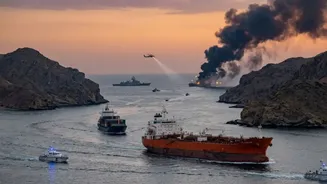
ceasefire is set to expire. Renewed violence in the Strait of Hormuz has raised concerns about the feasibility of these discussions. Over the weekend, the U.S. military seized an Iranian-flagged cargo vessel, alleging it attempted to evade a blockade of Iranian ports. In response, Iran's military command pledged retaliation, while Foreign Minister Abbas Aragchi characterized U.S. actions as clear indicators of Washington's insincerity ahead of the anticipated negotiations, according to Iranian state media.
Diplomatic Efforts Intensify
As tensions escalate and the ceasefire deadline approaches, Pakistan has ramped up diplomatic engagement with both the U.S. and Iran over the last 24 hours. Two Pakistani officials involved in the discussions, who spoke on condition of anonymity, confirmed that efforts are underway to ensure the talks proceed as scheduled on Tuesday.U.S. President Donald Trump has indicated that American negotiators would arrive in Islamabad on Monday, but it remains uncertain whether this timeline will change in light of recent developments. While Iran has not officially commented on the negotiations, state media reports, citing anonymous sources, suggest that the talks may not occur.
Impact of the Strait of Hormuz Conflict
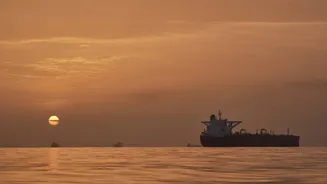
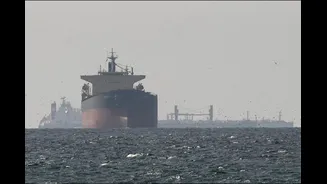
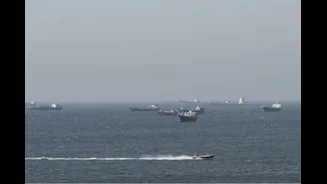
The Strait of Hormuz, a crucial maritime passageway connecting the Persian Gulf to the open seas, has experienced disrupted traffic since the onset of conflict following U.S. and Israeli military actions against Iran. Approximately one-fifth of the global oil trade traverses this strait, along with essential supplies such as fertilizer and humanitarian aid.Casualties from Ongoing Conflict
In the ongoing conflict, Iranian officials reported that at least 3,375 individuals have died since hostilities began, according to Abbas Masjedi, head of Iran’s Legal Medicine Organization. The casualties include 2,875 males, 496 females, and 383 children under 18 years old. Additionally, more than 2,290 people have died in Lebanon, 23 in Israel, and over a dozen in Gulf Arab nations.Rising Oil Prices Amid Tensions
Iran's control over the Strait of Hormuz has led to soaring oil prices, contributing to one of the most severe global energy crises in decades. Following a brief truce between Israel and Hezbollah, oil prices initially stabilized but surged again after the U.S. military's recent actions against Iranian vessels.Brent crude oil prices reached approximately $95 a barrel on Monday, reflecting a more than 30% increase since the conflict began. Iran has warned that the ongoing blockade and military actions could exacerbate global economic challenges, with hundreds of vessels currently awaiting clearance to navigate the strait.
Mohammad Reza Aref, Iran's first vice president, emphasized the high stakes, stating, 'The choice is clear: either a free oil market for all, or the risk of significant costs for everyone,' urging for an end to military and economic pressures on Iran.