







What is the story about?
Many consumers accumulate old electronic devices such as laptops, smartphones, and earbuds, often unsure of how to properly recycle them. With the growing
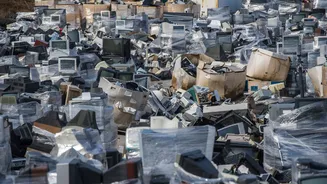
concern over electronic waste, it is essential to understand the recycling process and the environmental implications of e-waste. The United Nations reported that in 2022, approximately 137 billion pounds (62 million metric tons) of e-waste were generated globally, with only about 22% being recycled. In the United States, the Environmental Protection Agency estimates that less than a quarter of e-waste is recycled annually, highlighting the urgent need for better recycling practices.
The Importance of E-Waste Recycling
Keeping electronic waste out of landfills is crucial due to the harmful materials contained within these devices. Many electronics house precious metals and rare earth elements that are difficult to source, making recycling not only environmentally beneficial but also economically valuable.Rick Neitzel, an environmental health sciences professor at the University of Michigan, noted, “The way that we’re creating and using and disposing of these devices has generated this completely unsustainable waste stream. And there’s no signs of that abating at all. In fact, the trend continues to accelerate.”
Experts believe that increased consumer participation in recycling e-waste could help reduce the cost of electronics, making it an economically viable option for both consumers and manufacturers.
Challenges of Recycling E-Waste
Recycling e-waste presents unique challenges compared to more straightforward materials like plastics or cardboard. While traditional recyclables can often be disposed of in curbside bins, electronics require more research to find appropriate recycling facilities.Neitzel explained, “Cardboard comes in many shapes and sizes, but at the end of the day, it’s still cardboard.” In contrast, electronics vary widely, necessitating complex processes to efficiently extract valuable components. This complexity can make e-waste recycling energy-intensive and costly.
Despite these challenges, the recovery of materials such as steel, aluminum, copper, gold, and plastics is worthwhile. John Shegerian, founder of Electronic Recyclers International, emphasized the importance of keeping harmful materials out of landfills, noting that electronics can leak toxic substances into the environment.
Preparing Devices for Recycling
Consumer hesitation to recycle often stems from concerns about personal data stored on devices. Experts recommend performing a factory reset to protect sensitive information before recycling. A factory reset restores the device to its original settings and removes data comprehensively.It is essential to follow the manufacturer's instructions, as the reset process varies among devices. The Cyber Security and Infrastructure Agency offers guidance on data protection, ensuring that users can find the necessary steps for their specific devices.
Some recycling facilities go a step further by shredding hard drives to ensure complete data destruction before proceeding with the recycling process.
Refurbishing and Reusing Devices
If an electronic device is still functional and relatively new, manufacturers may choose to refurbish and resell it. Some charities and recycling organizations also refurbish devices for those in need.Consumers can look for major electronics manufacturers that offer buy-back programs or allow drop-offs at partner locations. For instance, Apple provides credit toward future purchases for trade-ins of eligible devices and offers free recycling for older models.
Organizations such as the Salvation Army and Goodwill Industries have donation programs for used electronics, but consumers should verify what items are acceptable to avoid overwhelming donation centers with unusable devices.
Recycling Devices at Their End of Life
For devices that cannot be refurbished, manufacturers remain a reliable resource for recycling. Neitzel stated, “The manufacturers are where we want this stuff to end up because they know their products, they know best and most efficiently how to recycle them.”Retailers like Best Buy and Staples accept a variety of devices for recycling. Best Buy offers a haul-away service for larger appliances when new models are purchased, collaborating with electronics recyclers for proper disposal.
While local governments typically do not accept electronics in curbside recycling, many offer drop-off locations that can be found on their websites. Neitzel added, “Typically, if you’re dropping them off at a government-run electronic waste collection station, you can be confident in that.”
Additionally, services like Recycle Nation help consumers locate nearby recycling facilities based on specific items. Mail-in recycling options are available through companies like Amazon and Waste Management, which allow consumers to send in their old electronics.
Some programs may charge small processing fees, such as $5 for a monitor or fees based on weight for drop-offs. Even when devices cannot be refurbished, recycling is essential for maintaining the domestic supply chain of minerals and rare earth elements, according to Terence Musho, an associate professor of engineering at West Virginia University.
Musho also pointed out that enhancing the mineral recovery process and improving recycling rates could ultimately lower the prices of future electronics.