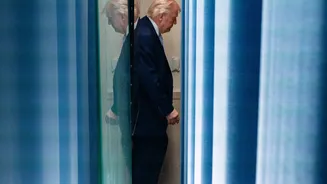
U.S. President Donald Trump has issued a grave warning that a "whole civilization will die tonight" unless Iran capitulates before the 8 p.m. deadline
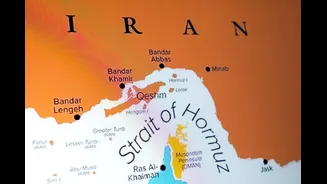
in Washington. He indicated that Iran has a final opportunity to agree to a deal involving the reopening of the Strait of Hormuz to avoid severe military action. This warning came approximately 12 hours prior to the deadline, following Iran's rejection of a ceasefire proposal and the expansion of U.S. threats against Iranian infrastructure, including power plants and bridges.
Iran's Response to U.S. Ultimatum
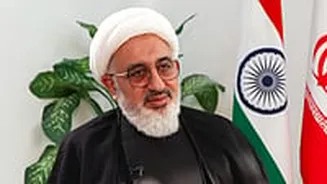
Iran has firmly rejected Trump's ultimatum, emphasizing its demand for a permanent cessation of hostilities rather than a temporary ceasefire. The Iranian leadership expressed their commitment to defending national interests against any military threats from the U.S.
International Reactions and Warnings
U.N. Secretary-General António Guterres has cautioned the U.S. that attacking civilian infrastructure contravenes international law. This statement aligns with growing concerns over the potential humanitarian impact of U.S. military actions in the region.
Congress and Public Sentiment
As Trump escalates his rhetoric, Congress remains largely silent, with some Democrats calling for clarity on the potential use of nuclear weapons. Public sentiment reflects deep concern over the implications of military action, especially in light of previous conflicts in the region.
Global Economic Impact
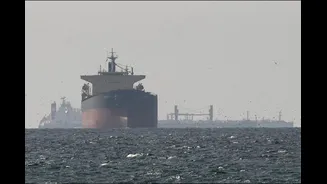
Financial markets reacted to the heightened tensions, with oil prices increasing as investors braced for potential disruptions in the Strait of Hormuz, a critical shipping route for global oil supplies. The S&P 500 index and other major stock indices showed minor declines amidst the uncertainty.
Humanitarian Concerns
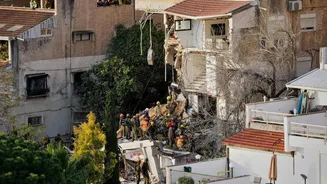
Reports from within Iran indicate widespread fear among civilians regarding potential U.S. strikes on critical infrastructure. Residents are taking precautions by storing essential supplies in anticipation of military actions that could severely disrupt daily life.
Conclusion and Future Implications
The situation remains fluid, with diplomatic efforts ongoing as the deadline approaches. The international community watches closely, hoping for a resolution that avoids further escalation and humanitarian crises.