






What is the story about?
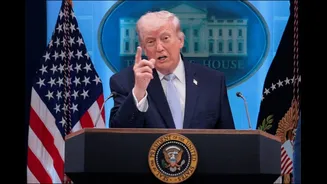
U.S. President Donald Trump expressed skepticism regarding the two-week ceasefire as Kuwait accused Iran and its affiliates of conducting drone strikes
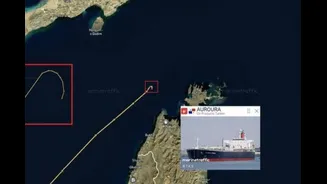
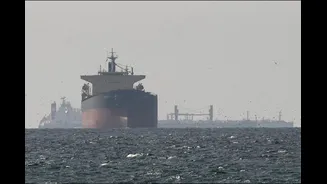
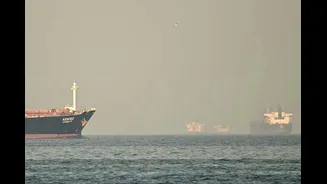
in the region. This escalation raises concerns about the effectiveness of the ceasefire amid ongoing tensions in the Strait of Hormuz. In response, Iran’s Revolutionary Guard denied any involvement in the attacks that reportedly occurred on Thursday night, emphasizing their commitment to regional stability.
Israeli Prime Minister's Ceasefire Efforts
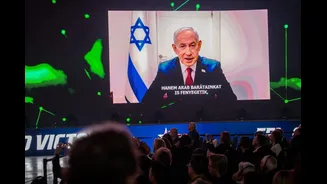
Israeli Prime Minister Benjamin Netanyahu indicated a willingness to engage in direct negotiations with Lebanon, potentially aiding ceasefire efforts in the area. However, as of Friday morning, the Lebanese government had yet to respond to this proposal.This announcement followed a devastating Israeli strike on Beirut that resulted in over 300 fatalities and left more than 1,800 individuals injured. Negotiations are anticipated to occur next week in Washington, according to sources familiar with the discussions.
Concerns Over Iran's Nuclear Stockpile
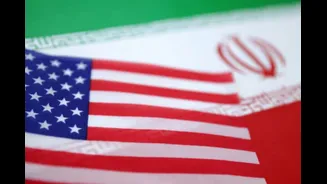
Uncertainties persist regarding the fate of Iran’s enriched uranium stockpile, which lies at the center of ongoing tensions. Questions about the resumption of normal maritime traffic through the Strait of Hormuz, as well as Iran's capacity to launch future missile attacks and support regional proxies, remain unresolved.Talks aimed at resolving the conflict between the United States and Iran are scheduled to commence on Saturday in Islamabad, with Vice President JD Vance leading the U.S. delegation.
Impact of the Israeli Strikes in Beirut
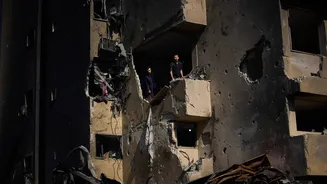
Residents in the Ain al-Mraisseh neighborhood of Beirut are grappling with the aftermath of the Israeli strikes, which caused significant destruction to buildings. Many individuals have begun sifting through the rubble in search of salvaged belongings.Despite their loss of homes, some residents expressed gratitude for the safety of their loved ones. One resident, Wissam Tabila, emphasized the irreplaceable value of family, stating, “There is no substitute for family. Everything else can be replaced.”
World Health Organization's Assurance
The World Health Organization reported that Israeli forces assured they would not target two key hospitals in Beirut, following discussions with U.N. officials. These hospitals are crucial to the city's healthcare infrastructure amidst ongoing military operations.Dr. Abdinasir Abubakar, the WHO's representative in Lebanon, confirmed that the assurance was given, although he also noted warnings from Israeli forces about potential attacks on ambulances, claims that the WHO could not independently verify.
Iran's Casualty Figures
Abbas Masjedi, a senior medical official in Iran, reported that the ongoing conflict with Israel and the United States has resulted in over 3,000 deaths. This figure reflects the escalating violence but lacks a detailed breakdown of civilian and military casualties.International Reactions and Developments
South Korean President Lee Jae Myung shared a video purportedly showing Israeli soldiers involved in a controversial incident, emphasizing the need for adherence to humanitarian law. His government is also sending a special envoy to Iran to discuss citizen safety amidst rising tensions.Meanwhile, Singapore's Prime Minister Lawrence Wong announced that the country would not impose restrictions on fuel exports despite the disruptions caused by the Iran conflict, reaffirming its commitment to maintaining supply chains.
Ukrainian President Volodymyr Zelenskyy revealed that Ukrainian forces successfully intercepted Iranian-designed drones in various Middle Eastern nations during the conflict, underscoring the broader implications of the war.
Market Reactions and Security Measures
Asian stock markets showed modest gains while oil prices rose ahead of the anticipated U.S.-Iran talks. Brent crude prices reached $96.92 per barrel, reflecting the market's cautious optimism regarding a potential resolution.In Islamabad, heightened security measures were implemented as the city prepared for the U.S.-Iran negotiations. Checkpoints were established, and additional law enforcement personnel were deployed to ensure safety during this critical diplomatic engagement.