
The Indian rupee sank to a historic low on Thursday, slipping past the closely watched 92-per-dollar mark as pressure from foreign fund outflows and aggressive
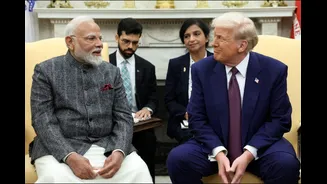
corporate hedging outweighed the positives of a strong domestic growth story. Despite India remaining one of the fastest-growing major economies, the currency has struggled to find support amid global trade tensions and shifting capital flows. The move below 92 pushed the rupee beyond its previous record low of 91.9650, which was set just last week. The currency’s slide highlights the growing disconnect between India’s macroeconomic growth and near-term currency sentiment in global markets. What Is Dragging The Rupee So far this year, the rupee has weakened about 2 per cent, and the losses have deepened to nearly 5 per cent since US President Donald Trump announced steep tariffs on India’s merchandise exports. This has happened even as official data showed India’s GDP expanding by a robust 8.2 per cent in the quarter ended September 30. Market participants point to sustained foreign portfolio outflows, higher demand for dollars from importers, and increased hedging by companies worried about further depreciation. These forces have combined to keep the rupee under steady pressure. Will RBI Step In? Traders said in a Reuters report that the Reserve Bank of India likely stepped into the market before the local spot session opened on Thursday. The intervention appeared aimed at slowing the pace of the fall as the rupee neared the psychologically important 92 level. A trader at a foreign bank said the move was intended to smooth volatility rather than defend a fixed price. The central bank has repeatedly stressed that it does not target any specific exchange rate or band, and intervenes only to manage excessive swings. Still, the speed of the recent decline has caught the attention of both policymakers and market participants.