







Iran is considering allowing European countries to help remove sea mines from the Strait of Hormuz, a possible shift in its position that could support
efforts to restore shipping through the strategic waterway and advance peace talks with the United States, according to a report by Bloomberg. Iran has publicly maintained that it will not allow foreign countries to take part in demining operations in the strait, a key route for global oil and liquefied natural gas exports. However, in private meetings in recent weeks, Tehran has softened that position, the diplomats told Bloomberg, speaking on condition of anonymity because of the sensitivity of the talks. A change in policy could provide shipping companies and insurers with independent reassurance that the waterway is safe after more than five months of military conflict. It could also help revive wider diplomatic efforts aimed at ending the war. On Tuesday, both Qatar and US Treasury Secretary Scott Bessent indicated that an agreement related to the Strait of Hormuz could be close. The waterway has become a central issue in broader negotiations, with disagreements over its future management stalling progress for months.
Any European-led demining mission would depend on Iran providing security guarantees for naval vessels involved, as well as any ceasefire proving durable, the diplomats said. They cautioned there is no certainty the proposal will go ahead.
Such a mission would also require the approval of Iran's Islamic Revolutionary Guard Corps (IRGC), which has led attacks on shipping in the strait during the conflict.
According to one of the diplomats, there are still divisions within Iran's leadership. Some members of the IRGC believe Iran, rather than foreign countries, should oversee the removal of sea mines.
The future governance of the strait also remains disputed. Iran is seeking control over the waterway and the collection of transit fees, a proposal the United States opposes.
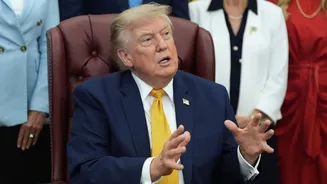
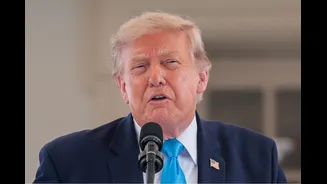
US President Donald Trump said on Monday that Iran had a "last chance" to reach an agreement, warning that air strikes could resume if no deal is reached. Diplomats said the outcome is likely to depend on talks between Iran and Oman, which controls the southern coastline of the strait.
Qatar said on Tuesday that a draft proposal to restart negotiations between Washington and Tehran had been circulated among the parties as a possible short-term measure to reduce tensions. Bessent also said a Hormuz-related agreement could come as soon as Tuesday.
The talks between Iran and Oman have focused on establishing a new central shipping channel through the strait, but diplomats said the proposed route is believed to be mined, meaning it would first need to be cleared.
One of the diplomats said the United States is also urging allies to help confirm that the waterway is safe so that energy shipments can resume.
US Defense Secretary Pete Hegseth has been pressing the UK and France to host an international conference on shipping through the Strait of Hormuz. However, one senior official said the meeting is now unlikely to take place until a ceasefire is in place and has proved sustainable.
According to the official, European governments were reluctant because of concerns they could be seen as supporting US military action. The official added that Washington's backing for a European demining mission marks a shift from President Trump's earlier scepticism about European involvement.
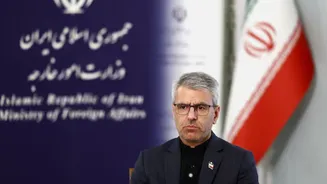
Iran has previously rejected European-led demining proposals. "Demining is conducted solely by Iran and no other country," Deputy Foreign Minister Kazem Gharibabadi wrote on X in June after French President Emmanuel Macron said France would work on demining the Strait of Hormuz.