





What is the story about?
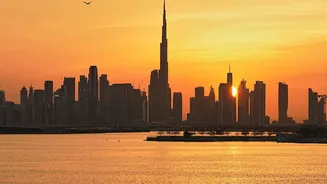
DUBAI, United Arab Emirates (AP) — The United Arab Emirates has long positioned itself as a safe haven for international business amidst regional turmoil.
However, the ongoing conflict involving Iran is now testing this economic model more severely than ever. As a close ally of the United States and Israel, the UAE has experienced a surge in missile and drone attacks from Iran during the war, impacting its crude oil and natural gas exports and affecting tourism and conference sectors.
UAE's Strategic Adjustments
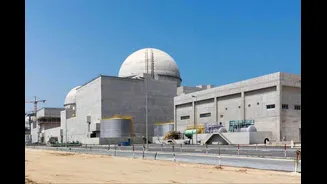
Despite its geographical proximity to Iran, the UAE has attempted to maintain a façade of stability while implementing significant changes. Recently, the country announced plans for a new pipeline aimed at reducing dependence on the strategic Strait of Hormuz and exited the OPEC oil cartel to enhance long-term energy production.The UAE is deeply involved in the conflict, highlighted by a recent drone attack on the Barakah nuclear power plant. This incident emphasizes the persistent risks, even amidst efforts for a ceasefire.
Economic Resilience Amidst Uncertainty
Despite the ongoing conflict, the UAE has not yet seen substantial job losses or an exodus of foreign businesses, largely due to its significant cash reserves. However, prolonged disruptions could jeopardize the nation's image, which has been crucial for attracting international investment.Emirati officials have increasingly accused Iran of acts of piracy and terrorism, threatening military action in response. The UAE's Foreign Ministry asserted, “We will not tolerate any threat to our security and sovereignty under any circumstances.”
Impacts on Tourism and Business
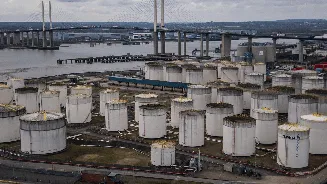
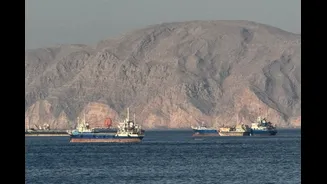
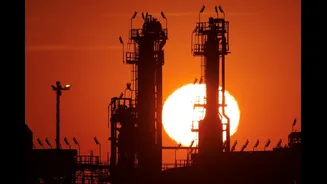
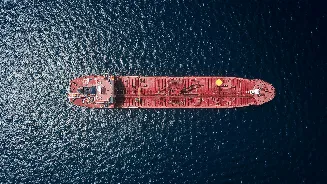
The closure of the Strait of Hormuz has severely affected the UAE's oil exports, although some tankers have managed to navigate through. The Emirates can export approximately 1.8 million barrels of crude daily via a pipeline to Fujairah, and plans are underway to expedite the construction of a second pipeline.The tourism and conference sectors, which contribute over 12% to the UAE's economic output, have also faced challenges. Since the onset of the conflict on February 28, more than 70 scheduled events in the UAE have been postponed or canceled, primarily due to concerns over insurance and liability.
Although Emirates airline has resumed most of its flights, the situation remains precarious as Iran launched multiple attacks on the same day. Hotel occupancy rates have plummeted to around 20%, with forecasts predicting further declines.
Cultural Responses Amidst Conflict
Dubai has made efforts to showcase its resilience by hosting events like the Art Dubai show, which took place against the backdrop of the ongoing conflict. Artists at the event expressed the importance of maintaining cultural dialogues in the face of violence.One artist noted, “Life doesn't stop in a world war. We can only counter a narrative of violence with culture,” emphasizing the role of art in addressing societal challenges.