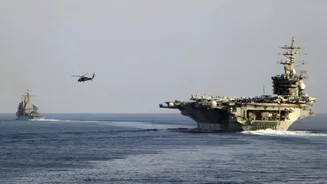

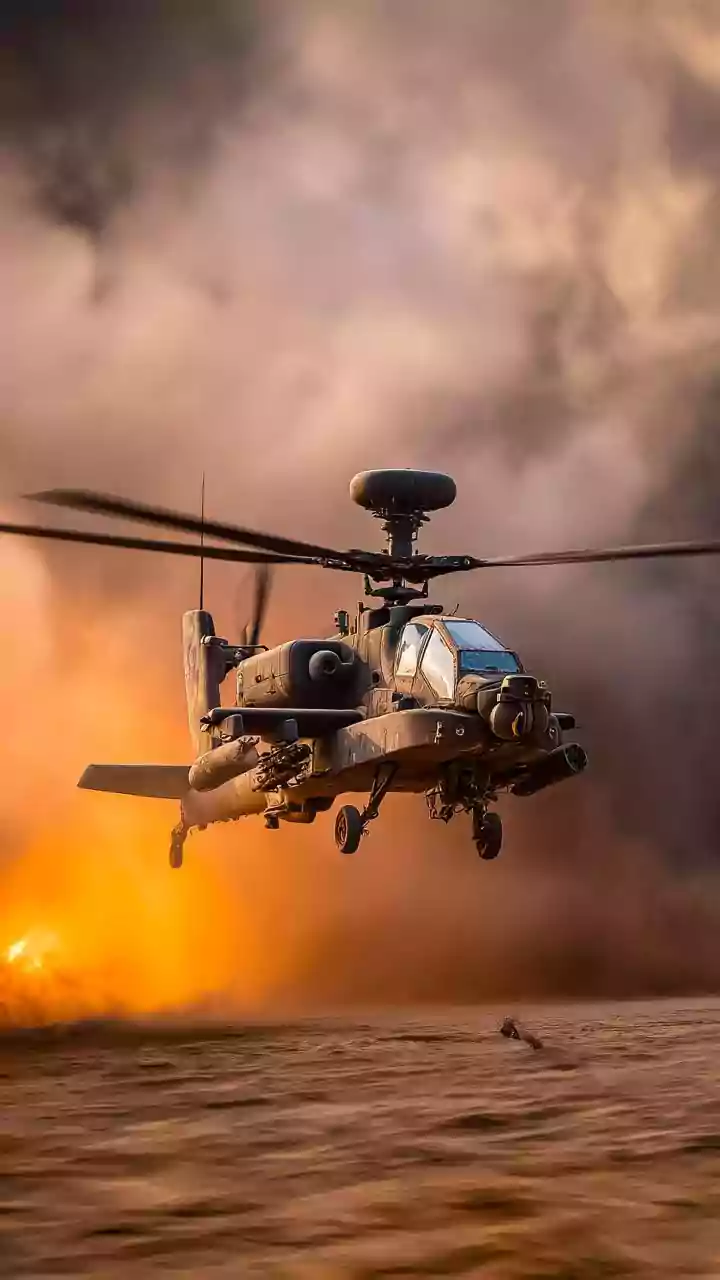

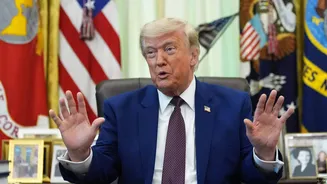
Hours after President Donald Trump blamed Iran for shooting down an Apache Helicopter gunship near the Strait of Hormuz and vowed retaliation, the US Central
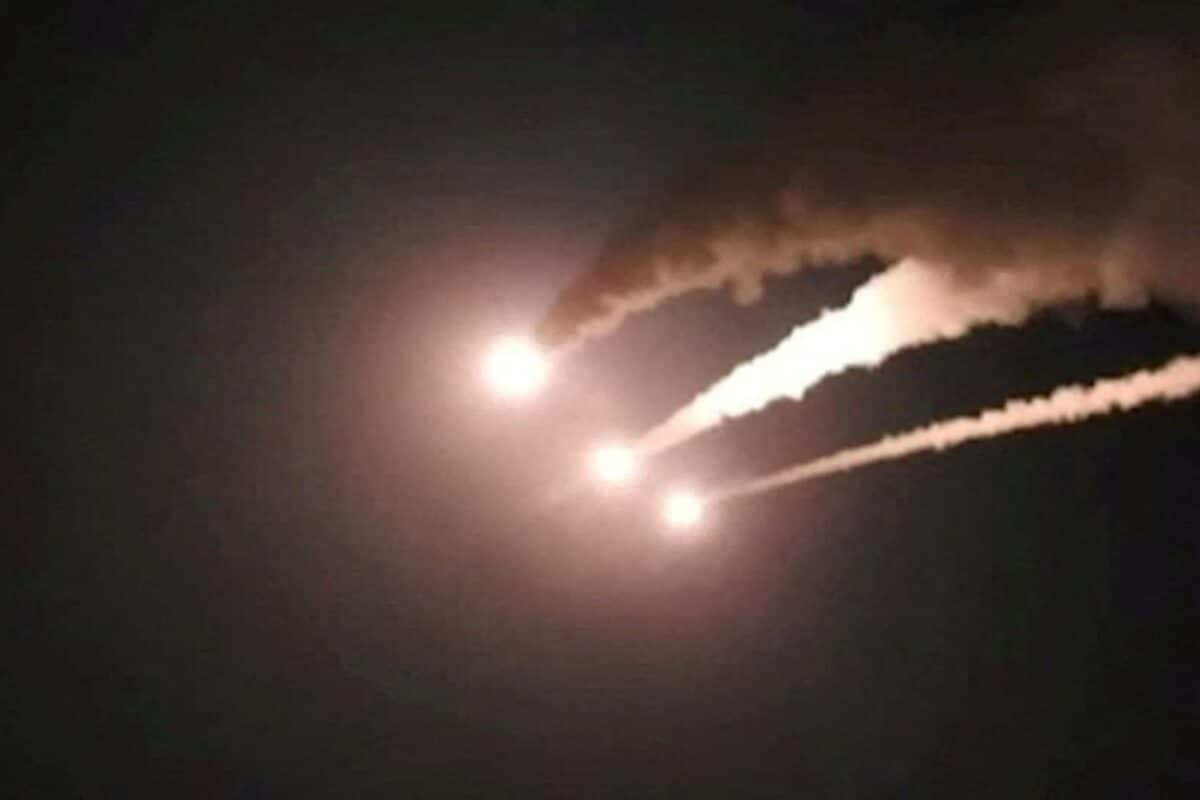
Command (CENTCOM) forces began launching self-defense strikes against Iran. Iran's Islamic Revolutionary Guard Corps, in retaliation, claimed to have responded by launching a drone attack on the US Fifth Fleet in Bahrain, according to state media. The development threatens to shatter a fragile ceasefire that has been marked by skirmishes in and around the Strait of Hormuz. "CENTCOM forces began launching self-defense strikes against Iran at 5 pm ET today at the Commander in Chief's direction, in response to yesterday's downing of a US Army Apache helicopter. The mission is a proportional response to unjustified Iranian aggression," the military wrote on a post on X. CENTCOM informed that the strikes targetted Iranian air defense, ground control stations, and surveillance radar sites near the Strait of Hormuz. Iran's Fars news agency reported several explosions being heard in eastern areas of Hormozgan province, including in Kuhistak, Sirik and Minab. Sources also reported air defence activity in some parts of the province, it added. Iran's state television said that explosions and air defense sirens were heard in several locations along Iran's Persian Gulf coast, including in Bandar Abbas and Qeshm. The reports said Sirik and Qeshm were attacked several times, but no further details were provided. Iran's state-run broadcaster also claimed that US strikes in the south of the country hit two water reservoirs. The strikes cut off the area's water supply in the Bamani district, near the southern Iranian city of Sirik, IRIB reported. Following the attack, Trump, during an interview with ABC News, said that the was "very important to respond". "They shot down a helicopter, and we are responding as we speak. I believe the response should be very strong, very powerful, and that’s what this one is," he said. A US official told CNN that the new strikes are intended as a warning shot at Iran and that the US believes they won't hinder negotiations to end the war.
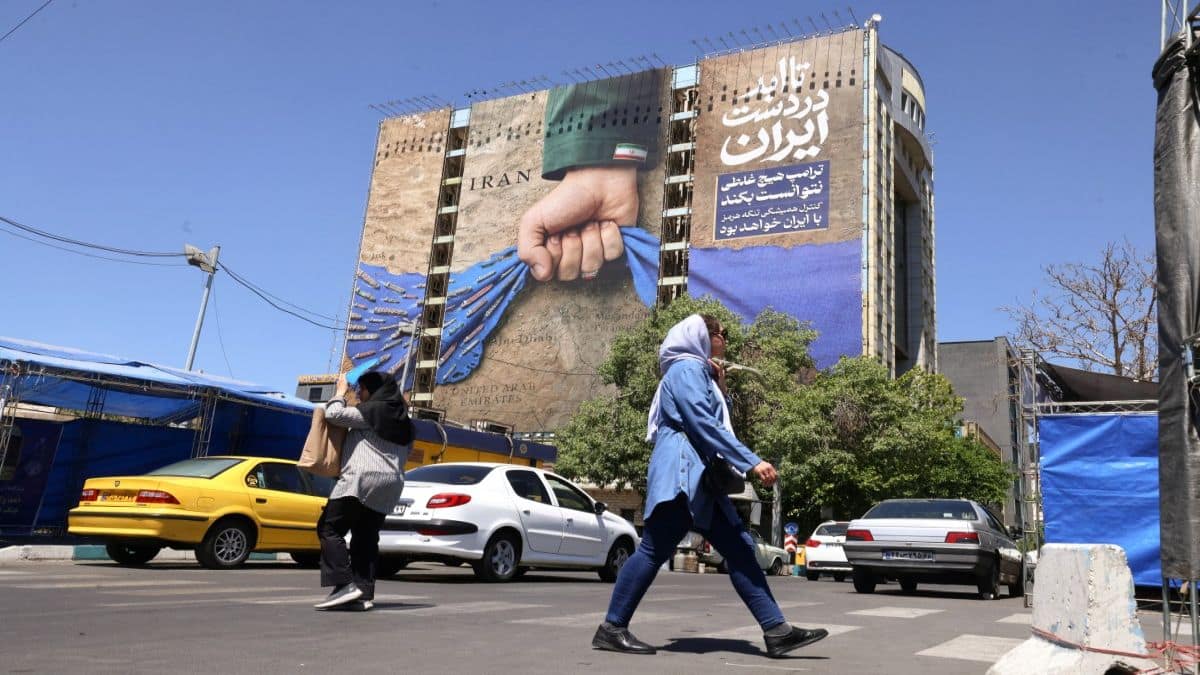
Iranian Foreign Minister Abbas Araghchi has said that no attack from the United States will be left "unanswered" after the US launched a new wave of retaliatory strikes on Iran following the downing of a military helicopter. "Despite its defeats on the battlefield, the US opted to test our determination. Our powerful armed forces will leave no attack or threat unanswered," Araghchi said in a post on X on Tuesday. "Leave our region if you want to be safe," the foreign minister warned.
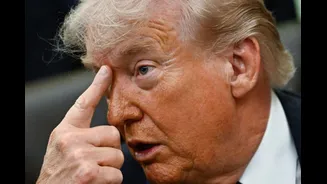
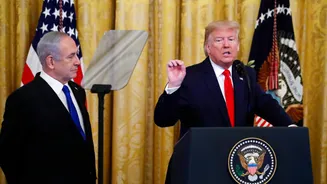
In a post on Truth Social, Trump had said he had been informed by military officials that Iranian forces brought down one of the United States' Apache attack helicopters. "I have just been informed by our Great Military that last night the Iranians shot down one of our highly sophisticated Apache Helicopters while patrolling over the Strait of Hormuz," Trump wrote.
Iran, however, has denied responsibility for the attack, and its state broadcaster, IRIB, quoted an unnamed military official who said the country had conducted no military operation over the strait in the last 24 hours.
The latest attack risks rupturing the April 8 truce that paused the US-Israel war against Iran. The latest escalation comes after the US military said that it disabled an Iranian oil tanker in the Gulf on Monday.
Fighting has also erupted between Iran and Israel over the past days. Iran fired missiles at Israel in response to its bombing of Beirut. Israel retaliated by carrying out strikes inside Iran, despite Trump’s calls for restraint.
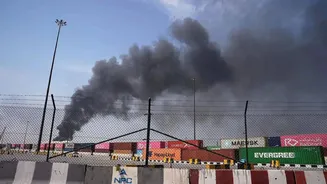
Earlier this month, the US military carried out strikes against Iran’s Qeshm Island, to which Tehran responded with missile launches against a US base in Kuwait. A drone also hit Kuwait’s international airport, killing one person, but Iran has denied responsibility for that attack.