






India is preparing to accelerate its transition towards sustainable aviation as rising passenger numbers and growing fuel consumption put the spotlight
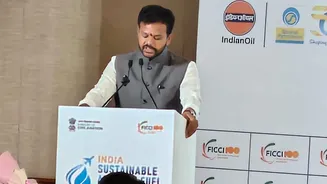
on the environmental impact of the aviation industry. With passenger traffic projected to surpass 500 million by 2030, the government is looking to develop a sustainable aviation fuel (SAF) ecosystem that supports the sector's expansion while creating new economic opportunities, said Union Minister of Civil Aviation Kinjarapu Ram Mohan Naidu. He stressed that India's approach to sustainable aviation fuel must go beyond simply replacing conventional jet fuel with a greener alternative. Instead, the country should build an inclusive domestic ecosystem that connects agriculture, energy, industry and aviation. The minister highlighted the importance of developing sustainable and low-carbon aviation fuels as India prepares for a significant increase in air travel demand. The expected growth in passenger traffic will inevitably increase aviation fuel consumption. According to the minister, flights covering distances exceeding 2,600 kilometres contribute approximately 50 per cent of aviation emissions, despite accounting for around 15 per cent fewer flights. Sustainable aviation fuel and other low-carbon alternatives are expected to play an important role in reducing the industry's environmental footprint. However, the government believes that the transition should also deliver wider economic benefits rather than remain limited to the aviation and energy sectors. The minister pointed out that the country faces significant air pollution challenges associated with stubble burning. However, agricultural residue could also become a valuable resource for producing sustainable aviation fuel if supported by an organised collection and supply system. Such an approach could provide farmers with additional sources of income while generating employment opportunities across the green energy value chain. Developing this ecosystem could bring additional income to rural communities, create green jobs and contribute to India's broader clean energy ambitions. Naidu stressed that India's sustainable aviation fuel strategy should be designed around the country's own strengths and available resources rather than simply replicating international models. Govet Plans Framework To Build A Reliable SAF Market Creating a predictable market for sustainable aviation fuel will be essential to attracting investments and encouraging production. The minister called for aviation companies, fuel producers, technology providers and other stakeholders to work together to establish dependable supply arrangements. He cited the memorandum of understanding between Airbus and Air India as an example of industry collaboration that could support the development of the sector. He also acknowledged progress on the production front, noting that Indian Oil Corporation's refinery and BPCL's Panipat refinery have received approval for sustainable aviation fuel production. The minister thanked Hardeep Singh Puri for his support towards advancing the sustainable aviation fuel agenda.