






What is the story about?

Buying your first car is a special milestone as it brings freedom, convenience and a sense of achievement. But along with excitement comes responsibility.
Many first-time buyers make quick decisions and later face issues related to cost, maintenance or paperwork. The key is to stay practical and informed.
1. Set A Realistic Total Budget
The first and most important step is to fix your budget. Don’t just look at the showroom price. A car comes with additional costs like insurance, registration, fuel and maintenance. These extra costs can add around 15-20% to the total price. Also, your monthly car expenses including EMI, fuel, and service, should ideally stay within 15-20% of your income. This helps you avoid financial stress later.2. Choose the Right Car for Your Daily Use
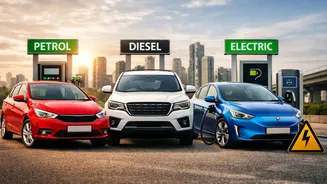
A common mistake is choosing a car based on looks or features alone. Instead, think about your daily needs. If you mostly drive in the city, a petrol hatchback is practical and easy to manage. For long-distance or highway usage, diesel or hybrid cars can be more efficient. Also consider parking space, road conditions, and how often you plan to drive. The right car is the one that fits your routine.3. Check the Vehicle’s Condition and History
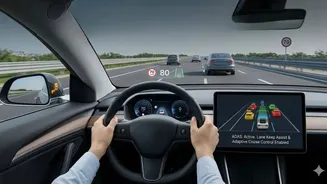
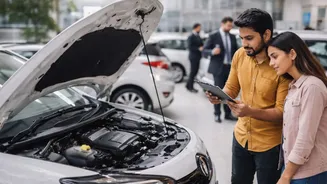
If you are buying a used or pre-owned car, this step becomes even more important. Carefully inspect the car for engine leaks or unusual sounds, tyre wear and condition and rust or damage on the body. Always check the service history and use the VIN (Vehicle Identification Number) to find details about previous ownership, accidents, or insurance claims. If needed, take help from a trusted mechanic.Also Read: What Is ADAS? How Is Smart Safety Tech Turning Every Drive Into A Safer Experience
4. Take a Proper and Detailed Test Drive
A short drive is not enough to judge a car. Drive the car on different types of roads. Turn off the music and listen carefully for any unusual sounds. Check how the brakes respond, how smooth the steering feels, and whether the AC works properly. A good test drive helps you understand the car’s real condition and comfort.5. Verify Legal Documents and Ownership
Before finalising the deal, always check the documents carefully. Make sure the RC (Registration Certificate) matches the seller’s name, engine and chassis numbers are correct, there are no pending loans or hypothecation and no unpaid challans or legal issues. This step ensures you won’t face legal problems after buying the car.6. Don’t Ignore Safety and Insurance Costs
Safety should always be a priority. Look for features like airbags, ABS, and parking sensors. Also, check insurance costs before buying. Sometimes, insurance premiums can be higher than expected, which affects your budget.7. Think About Resale Value
Your first car may not be your last. Choosing a reliable brand with good resale value can help you recover a better price when you decide to upgrade. This is especially useful for long-term planning. Buying your first car is a big step, but it doesn’t have to be complicated.If you focus on your budget, inspect the car carefully, take a proper test drive, and verify all documents, you can avoid most common mistakes. The best first car is not just the one you like, it’s the one that fits your needs, budget, and gives you peace of mind every time you drive.