







What is the story about?

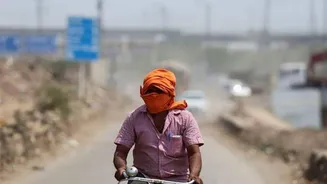
With heatwave alerts issued across Delhi, Uttar Pradesh, Chhattisgarh, Bihar and Madhya Pradesh and temperatures already crossing 42°C, riding a two-wheeler
is becoming physically demanding. This matters for Indian riders because prolonged exposure to direct sunlight, combined with helmets and traffic heat, can quickly lead to dehydration and heatstroke. Unlike car users, bikers have no insulation from rising temperatures, making even short commutes risky during peak hours. Authorities have advised limiting outdoor exposure, which means riders need to actively manage hydration, timing and gear to stay safe through the ongoing heatwave conditions.
Why Heat Exposure Is Higher On Two-Wheelers
Two-wheeler riders face direct sunlight, hot wind and engine heat at the same time. In peak afternoon hours, road surface temperatures can be significantly higher than ambient air, adding to body stress. Helmets, while essential for safety, trap heat and reduce ventilation especially in slow-moving traffic.According to advisories, early signs of heat-related illness include dizziness, headache, muscle cramps and nausea. Ignoring these can lead to heat exhaustion or heatstroke which requires immediate attention. The risk increases during long rides without breaks, particularly between 12 pm and 3 pm when UV exposure and ambient heat are at their highest.
7 Practical Tips Travellers Should Follow
1. Start Your Ride Earlier Than UsualEven shifting your commute by an hour can reduce exposure to peak heat significantly.
2. Carry More Fluids Than You Think You Need
A small bottle isn’t enough in 40°C+ conditions. Plan for multiple hydration breaks.
3. Choose Lighter, Breathable Riding Layers
Ventilated jackets and gloves help maintain airflow without compromising protection.
4. Keep Your Head Cool During Stops
Removing your helmet at signals or parking in shade helps release trapped heat.
5. Break Longer Rides Into Shorter Segments
During longer commutes, instead of one continuous ride, pause periodically to allow your body to recover.
6. Avoid Heavy Meals Before Riding
A full stomach can make the body feel sluggish and increase heat discomfort.
7. Check yourself, not just the bike
If you feel dizzy, weak, or nauseous, stop riding immediately and rest. Continuing to ride can worsen the condition.
Also Read: Scooter Not Picking Up Speed? Reasons And What You Should Do

What This Means For Daily Riders
For most Indian riders, especially office commuters and delivery riders, skipping travel isn’t always practical. What helps is managing exposure. Shifting travel times, carrying water as well as using breathable gear can reduce the risk significantly.Heatwaves are becoming more frequent and temperatures crossing 40°C are now common in several regions. That changes how riders should approach daily commuting. It’s no longer just about traffic awareness as physical endurance and hydration now play a direct role in road safety.