





What is the story about?

Buying a car today is no longer a simple choice as earlier, it was just petrol or diesel. But in 2026, you also have electric cars and hybrids in the market.
For a new buyer, this can feel confusing. The truth, however, is quite simple as the right choice depends on how much and where you drive.
Choose Based on Your Usage
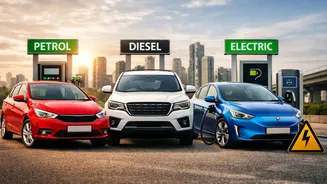
Before looking at features or prices, understand your driving pattern. If you mostly drive in city traffic every day, an electric car is the smartest option. If your usage is limited, petrol cars still make the most sense. And if you travel long distances regularly, diesel cars continue to be useful.
Electric Cars (EVs)
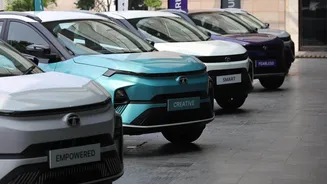
Electric vehicles have become much more practical in 2026 as they offer the lowest running cost, usually around Rs 1-3 per km, which is far cheaper than petrol or diesel. They are also smooth and silent, making them ideal for traffic-heavy city conditions. Maintenance is lower too, because EVs have fewer moving parts compared to traditional engines. However, they do cost more to buy initially and require charging time. If you have a home charger and drive regularly, especially more than 50-60 km daily, EVs can save a lot of money in the long run.
Petrol Cars
Petrol cars continue to be the most straightforward option for most buyers. They have the lowest starting price and are easy to maintain, with fuel stations available everywhere. They are smooth to drive and require no special planning. The only drawback is the higher running cost, which is around Rs 5-7 per km. That’s why petrol cars are best suited for people who drive less, typically under 1,000 km per month. If your usage is low and you want a simple ownership experience, petrol is still a solid choice.
Diesel Cars
Diesel cars are no longer the default choice for everyone, but they still serve a purpose. They offer better mileage on highways and produce more torque, which makes them ideal for long-distance travel and larger SUVs. However, diesel cars are more expensive to buy and maintain. They also face stricter rules in many cities, which may affect long-term ownership. Diesel makes sense only if your monthly usage is high, which is around 1,500 km or more and most of your driving is on highways.
Hybrids
For buyers who are not ready to go fully electric, hybrid cars offer a middle path. They combine a petrol engine with electric support, resulting in better mileage and lower fuel consumption. At the same time, you don’t have to worry about charging. Hybrids are ideal for those who want efficiency but are not fully comfortable with EVs yet.
Key Factors To Consider In 2026
In today’s market, a few factors can help you decide better. Running costs are lowest for EVs and highest for petrol cars. Upfront cost is lowest for petrol and highest for EVs. Maintenance is lowest for electric cars and highest for diesel vehicles. There are also future concerns as diesel vehicles may face more restrictions in big cities, while EVs are getting more government support and better charging infrastructure.
There is no one-size-fits-all answer as the best car is the one that matches your daily needs. Choose petrol if your usage is low and you want a budget-friendly option. Choose electric if you drive daily in the city and want to save on running costs. Choose diesel only if you are a frequent highway driver.