







What is the story about?

India’s first barrier-free tolling system is now live on the Surat–Bharuch stretch of NH-48 and the key update is simple: you no longer stop at toll plazas.
This matters immediately if you’re planning to use this route, because toll payment now happens automatically while driving at highway speeds. The system, called Multi-Lane Free Flow (MLFF) replaces physical barriers with cameras and sensors that detect your vehicle and deduct toll digitally. For frequent highway users, especially on the Mumbai–Delhi corridor, this changes how you prepare before a trip and how smoothly traffic moves through one of the busiest stretches.
Where It’s Live And What Actually Changes On The Road
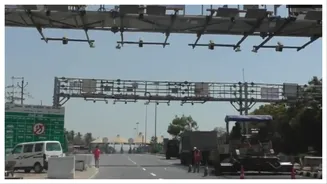
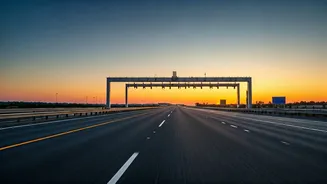
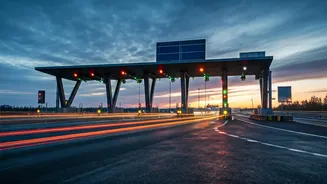
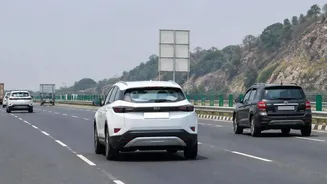
The MLFF system has been implemented at the Choryasi toll point on NH-48 between Surat and Bharuch, a high-traffic corridor. The biggest change is the removal of toll booths and barriers. Vehicles now pass through gantries fitted with sensors and cameras instead of slowing down or queuing.Technology does the work here. FASTag-based RFID and Automatic Number Plate Recognition (ANPR) cameras identify vehicles in real time and process toll payments instantly. Earlier, even with FASTag, average waiting times at toll plazas could reach around 47 seconds. Now, vehicles move through without stopping which reduces congestion at peak hours.

What You Need To Check Before Taking This Route
The system only works smoothly if your FASTag and vehicle details are accurate. Since there are no manual checks, toll deduction depends entirely on digital identification.Make sure your FASTag has sufficient balance and is correctly linked to your vehicle registration number. Authorities have already tightened rules like “One Vehicle, One FASTag” to avoid misuse. If your FASTag is inactive or mismatched, the system will still capture your number plate and generate a pending toll notice.
There’s also a penalty structure. If toll is not paid, users may be charged double the fee, although payments cleared within a limited time window can avoid penalties.
Lane discipline matters more now. Since traffic doesn’t slow down, sudden braking or incorrect lane usage can disrupt flow and increase risk.
Also Read: FASTag Annual Pass Scam - NHAI Issues Urgent Warning For Users
What This Means For Travel Time And Future Highways
What this really means is a measurable change in travel efficiency. Officials estimate the system can cut travel time by 20-30% on busy stretches, while also reducing fuel consumption and emissions caused by idling at toll plazas.This is not a one-off rollout. Plans are already in place to expand MLFF to hundreds of toll plazas with a long-term goal of covering all four-lane and above national highways by 2029.
For now, if you’re driving on NH-48, the experience will feel different. No queues, no cash lanes, no stopping. But the trade-off is clear: your trip depends on your FASTag working perfectly because the system won’t wait for you anymore.