






What is the story about?

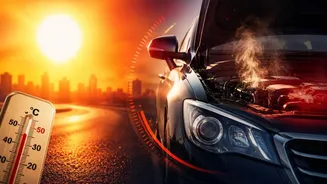
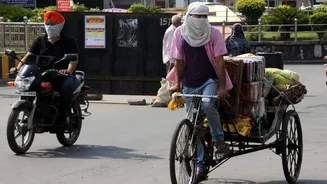
North and Central India crossed 45 degrees Celsius this May. That heat is not just uncomfortable — it is quietly damaging your car while it sits in the
sun. Cabin temperatures in a parked car can touch 65 degrees within minutes. Coolant gets stressed. Tyre pressure spikes without warning. Batteries fail. AC systems that were borderline all winter suddenly stop coping. None of it happens dramatically. It creeps up, and then one afternoon on a highway, something gives. Most of it is preventable. Here is where to start.
Your Engine Is Working Harder Than You Think
First thing to check is coolant — not just the level, but what it looks like. If it is brownish or murky, it has broken down. Topping it up at that point does nothing useful. Flush it, and when you refill, use only distilled or de-ionised water with the concentrate your car's manufacturer specifies. Tap water has minerals in it. Those minerals cause scaling inside the radiator over time, which makes heat dissipation worse, not better. While you are at it, look at the radiator itself — dust and debris block airflow and no amount of coolant fixes a blocked radiator.Engine oil next. Heat thins oil faster than regular driving does. In cities above 40 degrees, fully synthetic 5W-40 or 10W-40 handles the stress better than conventional oil. Pull the dipstick once a week. Dark, gritty oil needs changing — do not wait for the standard interval. In summer city driving, 5,000 km is a safer call. Brake fluid gets ignored almost universally. It absorbs moisture over time, and in summer heat that lowers its boiling point. Brake fade on a hot day with old fluid is not a small problem. If it has been over two years, just change it.

The Tyre Mistake That Causes Blowouts
After a drive in peak summer, your tyre pressure will read higher than normal. Most people see that and let some air out. That is the wrong call. Heat makes air expand — every 10 degree rise pushes pressure up by 1 to 2 psi. That higher reading is not overinflation. Let air out and you have an underinflated tyre, which makes the sidewall flex more, generates heat inside the tyre itself, and raises blowout risk sharply — especially if the tyre is already a few years old and the rubber has started to harden.Check pressure in the morning before the car moves, against the figure on the driver's door jamb or fuel lid. Every week, not once a month. And check the spare — it sits forgotten until a highway puncture makes it the only option, and then it is flat too.
Also Read: Heatwave India Alert: 7 Tips Every Traveller Should Know
AC, Battery, and What To Do When the Gauge Goes Red
Weak airflow, air that takes too long to cool, or warm air despite full blast — any of these means the car AC needs attention now, not after it stops working. It is either a refrigerant issue or a blocked cabin air filter. One setting that actually helps: switch to recirculation mode instead of fresh air. The system re-cools air already inside the cabin rather than pulling in 45-degree air from outside. It makes a real difference to how quickly the car cools down.Batteries take a beating in heat. The chemical reactions inside accelerate in high temperatures, which shortens the battery's life. Over three years old with slow starts? Get it tested before it dies in traffic rather than after.
If the temperature gauge climbs into the red, pull over. Turn the engine off. Open the bonnet, but leave the radiator cap alone — coolant is under pressure when hot and will cause burns. Wait at least 30 minutes before touching anything. Driving an overheating engine even for a few extra minutes can damage the head gasket and cylinder walls. That repair bill runs into five figures easily.
Last thing — aerosol cans, lighters, and hand sanitiser bottles left inside a parked car in 50-degree heat are a genuine fire risk. Take them out before you lock up.