








If you have been following new car launches lately, you have probably heard one term again and again - ‘ADAS’. It may sound technical, but it is actually
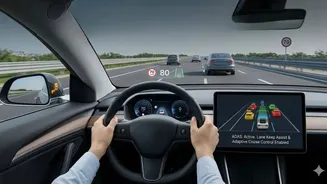
one of the most important and easy-to-understand features in modern cars. ADAS stands for Advanced Driver Assistance Systems, and in simple terms, it acts like a smart co-driver that helps you stay safe on the road. ADAS uses a combination of cameras, sensors and radar to constantly monitor what’s happening around your car. It keeps an eye on traffic, lanes, and obstacles, and can warn you if something is wrong. In some situations, it can even take action on its own to prevent an accident. For example, if a car suddenly brakes in front of you, ADAS can apply the brakes faster than a human reaction. There are two types of ADAS functions. Passive systems give warnings, such as alerting you when you drift out of your lane or when another vehicle is in your blind spot. Active systems go a step further by taking control when needed, such as automatic emergency braking or steering correction. Some of the most common ADAS features found in today’s cars include automatic emergency braking, adaptive cruise control, lane keep assist, blind spot monitoring, and driver drowsiness detection. These features may sound advanced, but in real-world driving, they simply make your journey safer and less stressful. One of the main reasons ADAS is gaining so much attention is safety. A large number of road accidents happen due to human error, such as distraction or delayed reaction. ADAS helps reduce these risks by acting as an extra layer of protection. It reacts quickly and supports the driver in critical situations. Also Read: Hybrid Car Battery Dead? What Happens And How It Affects Your Mileage Another reason for its popularity is that it is no longer limited to expensive luxury cars. Features that were once only available in high-end models are now being offered in more affordable cars as well. This means more people can now access advanced safety technology. ADAS also helps reduce driver fatigue, especially on highways. Features like adaptive cruise control can manage speed and maintain distance from other vehicles, making long drives more comfortable. However, it’s important to understand that ADAS is not a self-driving system. The driver still needs to stay alert and in control at all times. In Indian conditions, especially in busy city traffic, the system may sometimes give frequent warnings due to unpredictable situations. ADAS is like having an extra set of eyes on the road, one that never gets tired. As more cars in 2026 come equipped with this technology, understanding ADAS is becoming essential for every new car buyer.