







Ford has initiated a patent claiming technology that could allow parked cars to detect an incoming collision threat and automatically move out of the way
before impact. The patent, published on May 5, 2026, states a vehicle can automatically reposition itself to avoid the impact of another vehicle, and a system of radar, ultrasonic sensors, multiple camera security systems, and LiDaR can be used to assess the surroundings of a vehicle. The system operates on the basis of the software determining the likelihood of a vehicular impact and repositioning the vehicle accordingly to minimise vehicular and structural damage. Although the patent is still in early stages, the concept underlines the fashion in which automobile industries are focusing on the flexible automation of safety systems.
How Ford’s Self-Moving Parked Car Technology Could Work
Patent filings describe a system that continuously monitors a parked vehicle's surroundings by calculating the speed, direction as well as trajectory of surrounding moving objects. For this system, the software avoids reacting passively at the last moment. Rather, it proactively assesses whether or not a collision is impending.If the risk level crosses a certain threshold, the vehicle first issues warnings through flashing lights, indicators, external speakers or the horn. The vehicle would implement a low-speed evasive manoeuvre and attempt a withdrawal from the zone of impact. This may include a slight roll or reverse, and movement in a steering direction.
Interestingly, the junction of most of the required hardware in this system is already integrated in premium vehicles. 360-degree camera technology, self-parking systems, electric steering, radars with driver assistance, and ultrasonic parking sensors have been incorporated in many modern vehicles. Rather than constructing a completely new autonomous platform, Ford's patent integrates a predictive stationary safety system.
This patent also includes a feature that documents incidents. If the system is not able to avoid a collision, the vehicle enters a space of limited escape, and incident data is documented. This system would capture video and data collected by sensors for insurance and investigatory purposes.
Also Read: The Ultimate Underdog Story: How Henry Ford Risked Everything On One Race To Build An Empire

Why This Matters For Real-World Car Owners
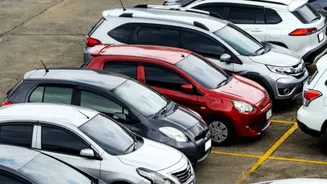
Parking impacts caused by low-speed collisions are the most frequent causes of vehicle damage across the globe. Recurrent damages to bumpers and doors, as well as collisions with other vehicles, are the basis for expensive damages, disputes and diminished vehicle resale value, for drivers and for insurance companies.For Indian buyers especially, the idea becomes relevant because urban parking spaces are increasingly crowded and unpredictable. Tight residential parking, mall basements and narrow roadside spaces often leave parked vehicles vulnerable to accidental damage from other cars, bikes or even carts.
The technology raises many questions regarding regulations and liabilities. A car that is moving itself with a driver outside the car will require accurate object detection and will also require clear guidelines on what to do regarding responsibility. Ford itself has clarified that patent filings should not be viewed as confirmed production plans.
Regardless, the patent displays the state of the industry. Car manufacturers focus on protecting the people in the cars while driving. More often, the design of the cars are created to monitor, react and protect the car, even when it is turned off.