






What is the story about?

From November 1, Delhi will bar non-BS-VI vehicles registered outside the capital and fuel stations will refuse petrol, diesel, CNG and LPG to any vehicle without
a valid PUC certificate. If you drive an older car or plan a trip to Delhi this winter, these rules decide whether you can enter and whether you can refuel. The entry curbs run until January 31, 2027, while the Winter Action Plan lasts until February 28. Here is who is affected, who is exempt, what else changes for drivers and what you should check before your vehicle reaches Delhi’s border or pump.
Who the Entry Ban Covers
The restriction applies to vehicles registered outside Delhi that do not meet BS-VI emission norms. Electric vehicles, CNG vehicles and essential services are exempt. BS-VI became mandatory across India in April 2020, so the vehicles most likely to be affected are older petrol and diesel ones sold before that switch. Delhi-registered vehicles are not covered by this particular entry ban. How vehicles will be checked at entry points has not been spelled out yet, so NCR commuters with older cars should confirm their emission norm in advance.
What “No PUC, No Fuel” Means at the Pump
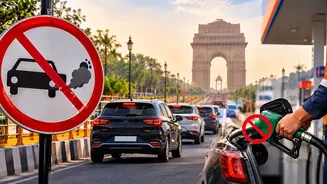
Fuel stations in Delhi will not supply petrol, diesel, CNG or LPG to vehicles without a valid Pollution Under Control certificate. Because the rule is tied to Delhi’s fuel stations, it appears to apply to visiting vehicles as well as local ones. An expired certificate means a refused refuel, so renew it before you go.Other Changes Drivers Will Notice
Parking fees at authorised municipal facilities will be doubled, though lots run by the Delhi Metro Rail Corporation are excluded. Government and private offices are to run with 50% work from home and staggered timings. MCD offices will work from 8:30am to 5:00pm and Delhi government offices from 10:00am to 6:30pm. Dust-heavy construction will be banned entirely from December 10 to January 20, with AI-based monitoring at major sites. These steps may ease peak-hour traffic but their effect will depend on how strictly they are enforced.What to Check Before You Travel
- Confirm your vehicle’s BS-VI status from its registration papers or the manufacturer’s documents, especially if it was bought before April 2020.
- Check the validity date on your PUC certificate and renew it if it is close to expiry.
- If you are not sure about your vehicle, plan a backup, such as an exempt CNG or electric vehicle, public transport or the Metro.
- Budget for higher municipal parking charges if you drive within the city.
For owners of BS-VI vehicles, the main changes are likely to be keeping the PUC certificate valid, paying higher municipal parking fees and adjusting to the new office timings. Owners of older petrol and diesel vehicles registered outside Delhi face the biggest restriction, which is scheduled to run until January 31, 2027. Entry checks and PUC enforcement at fuel stations will show how strictly the rules are applied, so keep an eye on official notifications as November 1 approaches.