
Lohri has always been more than a festival, it is a sensory ritual rooted in warmth, harvest, and togetherness. Traditionally anchored by fire and folk music, the celebration marks renewal and abundance.
Today, as homes and lifestyles evolve, so does the way Lohri is experienced. Yet, at its core, the festival continues to honour craft, community, and connection, values that are finding thoughtful expression in contemporary design and decor.
For Sidhant Lamba, founder, STRROT, Lohri celebrations are increasingly about immersive, tactile experiences rather than visual excess. He points out that refined festive living today leans towards “sensory craftsmanship, handcrafted surfaces, sculptural elements, and artefact-led decor that reference warmth and quiet indulgence.” Instead of loud colours or ornate embellishments, materials take centre stage. Brass, stone, and wood emerge as natural focal points, subtly defining festive zones within a home.
According to Lamba, textural layering plays a crucial role in building this understated richness. Artistic trays, vessels, and curated decor pieces work together to create visual depth, while fragrance adds an often-overlooked dimension. “Woody and smoky notes in candles help evoke the spirit of Lohri,” he explains, noting that scent is as integral to festive ambience as form. A palette of burnished golds and deep ochres further reinforces a mood of restrained opulence, celebratory yet grounded.
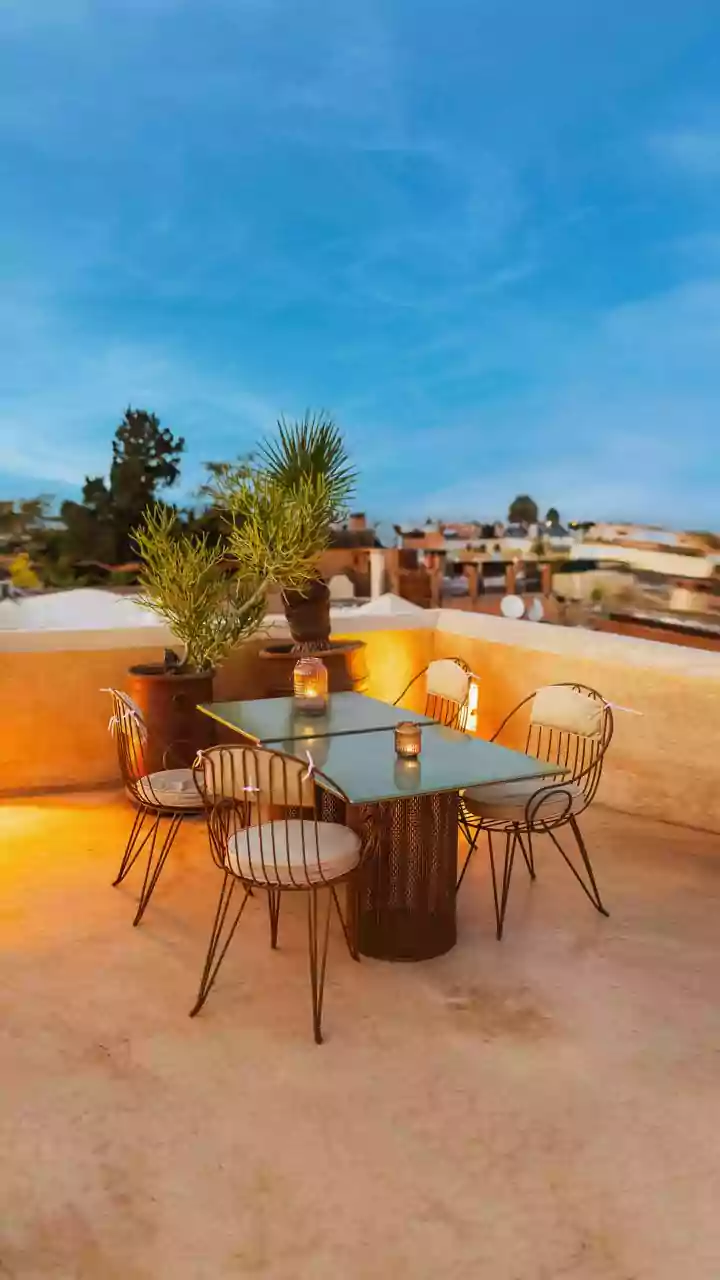
Shifting the focus from objects to people, Architect Shifaa Kalra, Creative Head, I’m D’sign, highlights the social choreography that defines Lohri. “The bonfire may be the centrepiece, but it’s the way people gather around it that brings the festival to life,” she says. Kalra envisions outdoor settings that feel theatrical yet intimate, using woven low seating like charpais or khatiyas layered with vibrant throws and bolsters to encourage lingering conversations and shared moments.
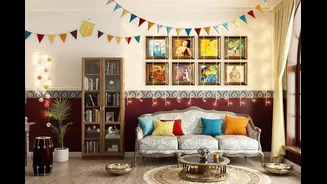
Her approach blends tradition with playfulness. Regional typography on welcome boards, raised decks for dhol performances, and strings of handmade paper lamps infuse authenticity into modern spaces. She also advocates for interactive design, DIY corners for children and adults, makeshift teepees for game nights, and flexible sit-outs that invite participation across generations. Indoors, this energy carries through informal table settings, where kitchen counters double up as gathering spots and food becomes a social anchor. “When celebrations move fluidly between indoors and outdoors, the experience feels whole,” notes Kalra.
Echoing the idea of meaningful design over spectacle, Radhika Gupta, Designer and Co-founder, Rabyana Design, views Lohri as an opportunity to translate tradition into quiet elegance. “Lohri celebrates harvest, warmth, and new beginnings,values that align naturally with contemporary home styling,” she says. Her design philosophy draws inspiration from agricultural symbolism, particularly wheat, as an emblem of abundance and gratitude.
Gupta suggests incorporating these ideas subtly through sculptural decor inspired by organic forms, paired with natural materials. Warm, ambient lighting whether through candle holders or soft lamps can recreate the comforting glow of a bonfire even in urban apartments. Earthy palettes featuring wheat tones, golds, rusts, and muted neutrals help anchor the space, while restraint ensures that every piece feels intentional. “Rather than excessive ornamentation, focus on curated elements that tell a story,” she adds.
Together, these perspectives point to a shared evolution in how Lohri is celebrated today. The festival is no longer defined by scale or spectacle, but by thoughtfulness, how spaces feel, how people connect, and how tradition is honoured through design that is both personal and purposeful. In embracing craftsmanship, community, and conscious curation, Lohri finds new relevance, remaining rooted in its origins while adapting beautifully to the present.