




For decades, taste and convenience dictated how India snacked, shopped, and consumed food. Today, that hierarchy has shifted. Nutrition is no longer a secondary consideration, it is the starting point.
Across urban households and younger demographics in particular, consumers are actively scanning labels, questioning ingredients, and prioritising what food does for their bodies, not just how it tastes.
This evolution marks a larger cultural reset: food is no longer just indulgence, it is increasingly seen as functional fuel.
According to Nikki Arora Singh, Founder & Director, Klaw Snacks, the change is both visible and accelerating. She notes that snacking is moving “beyond taste and convenience to focus on nutrition and functionality,” with consumers actively seeking out protein, fibre, and low-sugar options that align with goals like sustained energy, better digestion, and overall wellbeing.
This is not a marginal shift. It is being driven by the realities of modern life, long work hours, erratic schedules, and a growing awareness of how deeply food impacts physical and mental performance. What was once considered “better-for-you” is now becoming baseline expectation.
The Rise of Functional Snacking
In response, brands are rapidly reimagining traditional categories. KLAW Snacks, part of Shivanika Foods, the group behind Blue Tribe Foods, is attempting to build what it calls India’s first “Supersprout Sticks” category. The idea is simple but strategic: combine nutrient-dense, traditional ingredients with modern formats and bold flavours that appeal to what Singh describes as the “Keyed-Up Generation.”
The ambition here reflects a broader industry shift, where indulgence and nutrition are no longer seen as opposing forces. Instead, the goal is balance: snacks that deliver functional benefits without sacrificing taste or experience.
Health as the Primary Filter
If there was ever any doubt about the permanence of this shift, it is being erased by changing consumer intent.
“We have reached a tipping point where health is no longer a secondary thought,” says Siddharth Runwal, Founder, Provilac. “It has become the primary filter for every purchase.”
This is evident not just in snacking, but across everyday staples. Consumers are no longer satisfied with products that offer only flavour, they expect tangible nutritional benefits. Even categories like milk, traditionally viewed as basic, are being redefined through the lens of protein content, sugar reduction, and clean-label processing.
Runwal points out a growing rejection of what he calls “empty calories,” alongside a demand for products that support fast-paced lifestyles without relying on artificial additives or overly processed formulations. The expectation is clear: food must work harder.
The Medical Reality Behind the Shift
While brands and consumers are driving this transformation, the medical community underscores why it is both urgent and necessary.
Dr Rahul Aggrawal, HOD & Clinical Director, Internal Medicine at CARE Hospitals, highlights a significant behavioural shift in clinical settings. Patients today are far more aware, asking about protein intake, sugar levels, and overall nutritional value in ways that were rare just a few years ago.
This awareness is not occurring in isolation. It is closely tied to the rising incidence of lifestyle diseases such as diabetes, obesity, hypertension, and fatty liver disease, conditions increasingly being diagnosed in younger, urban populations.
One of the most pressing concerns, he notes, is the high consumption of hidden sugars. Packaged foods, beverages, cereals, and even products marketed as “healthy” often contain significant amounts of added sugar, contributing to insulin resistance, weight gain, and long-term metabolic complications.
At the same time, there is a widespread deficiency in protein and fibre intake in the average Indian diet.
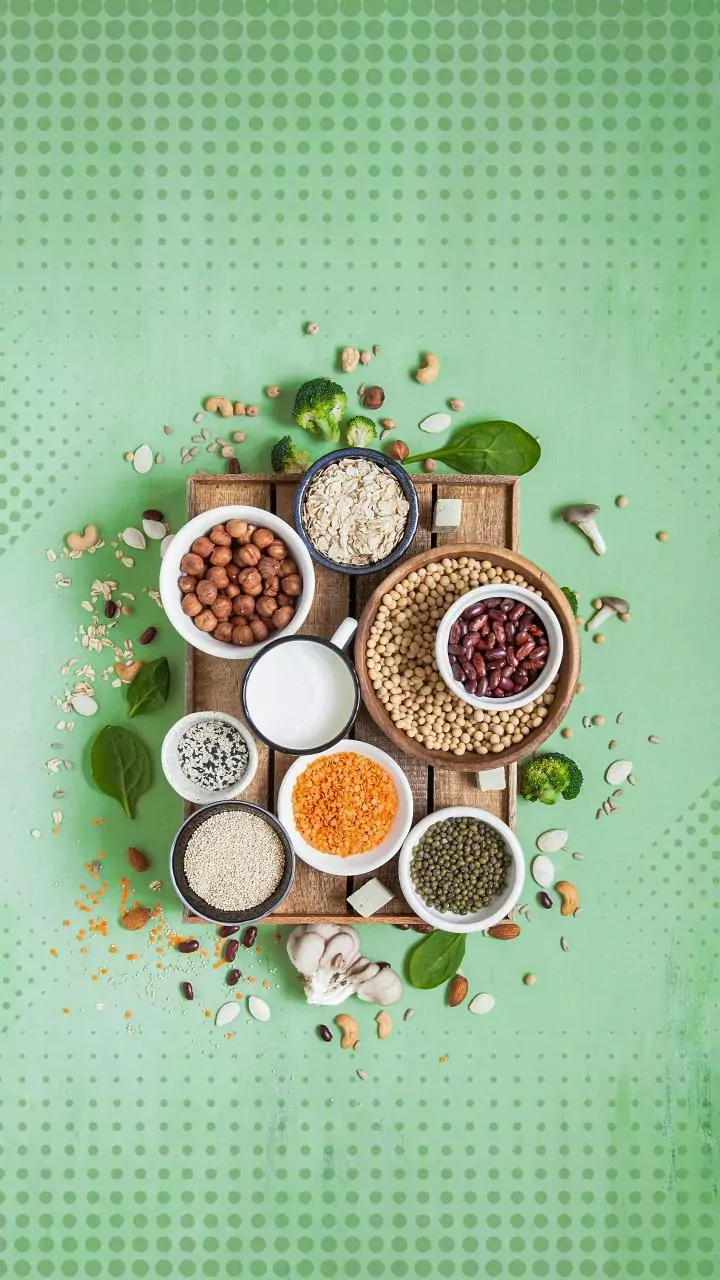
Protein is essential not just for muscle health, but for metabolism, immunity, and recovery. It also improves satiety, reducing the likelihood of overeating. Fibre plays a critical role in gut health, digestion, and blood sugar regulation by slowing glucose absorption. Low fibre intake is strongly associated with poor metabolic health and increased cardiovascular risk.
Label Literacy and the Conscious Consumer
What is encouraging, however, is the rise of a more informed consumer. People are reading labels, questioning claims, and making more deliberate choices about what they consume.
But this shift comes with its own challenges. As Dr. Aggrawal cautions, marketing narratives can often blur the line between perception and reality. Products positioned as “healthy” may still contain high sugar levels or insufficient nutritional value. The need of the hour is not just awareness but clarity.
From Diet Trends to Sustainable Nutrition
Perhaps the most important aspect of this shift is its movement away from extremes. Unlike earlier waves of diet culture defined by restriction or elimination, the current focus is on balance and sustainability.
The emphasis is on simple, actionable changes:
Including protein in every meal
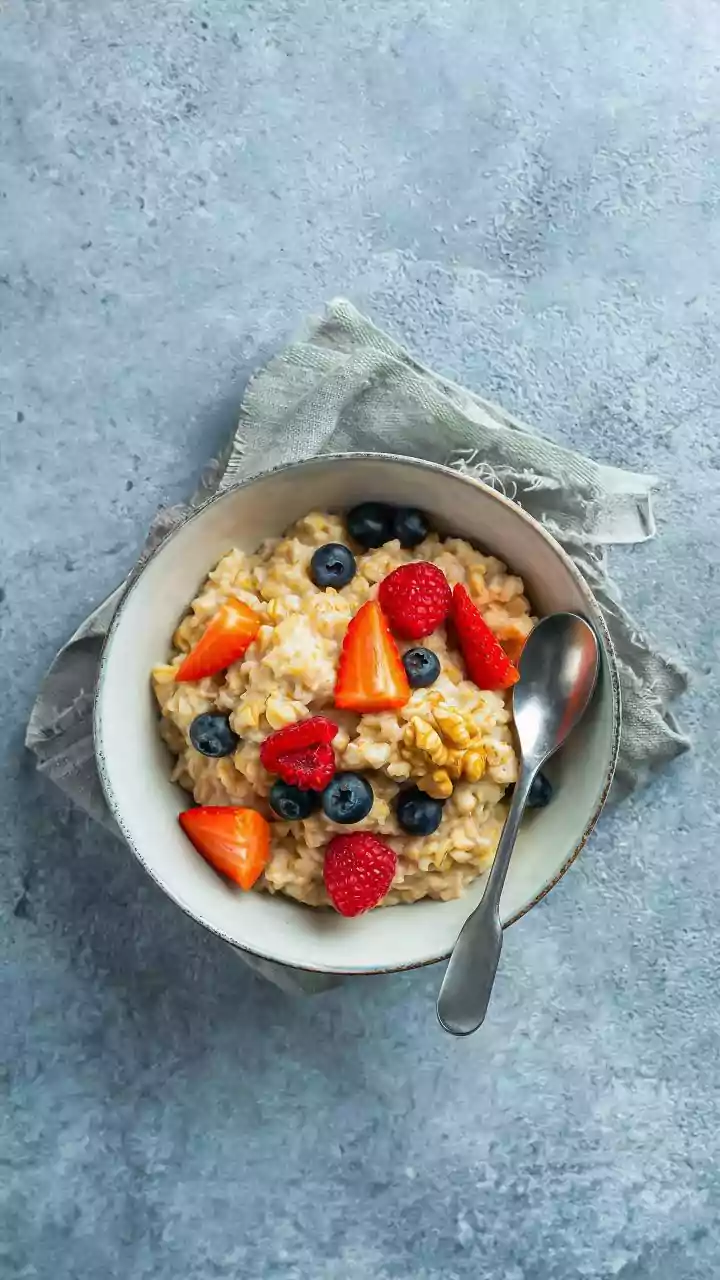
Increasing intake of fruits, vegetables, and whole grains
Reducing processed and high-sugar foods
From a healthcare perspective, these everyday decisions form the foundation of preventive health.
The Future of Food: Function Meets Familiarity
What emerges from this convergence of consumer behaviour, brand innovation, and medical insight is a clear narrative: India is entering a new phase of food consciousness.
One where:
Taste still matters but is no longer enough
Convenience is expected but not at the cost of health
Nutrition is not aspirational but essential
The growing demand for protein, fibre, and low-sugar options is not a passing trend. It is a reflection of deeper shifts in how people understand wellbeing and how they expect their food to support it.
Because in today’s India, what you eat is no longer just about satisfaction. It is about sustainability, performance, and long-term health.