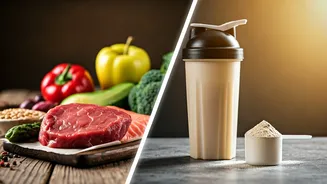





Protein has become the star nutrient of modern wellness conversations, and for good reason. It fuels muscle repair, supports immunity, balances blood sugar, and even helps regulate appetite. But while
most people are aware that protein is essential, far fewer understand that where it comes from matters just as much as how much you consume.
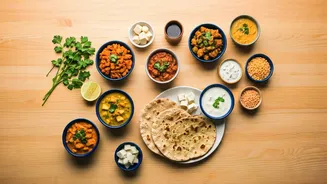
In India, especially, protein intake often comes from familiar staples that are assumed to be sufficient simply because they’re traditional or labelled healthy. But efficiency, absorption, and amino acid quality are rarely considered. Celebrity fitness trainer Siddhartha Singh, who has trained actors like Tamannaah Bhatia, recently simplified this confusion by ranking common protein sources into tiers, separating what truly works from what merely sounds good.
How Protein Quality Really Works
Protein quality is defined by how well the body can digest and use it. Complete proteins contain all essential amino acids, while incomplete ones fall short unless paired strategically. Absorption also plays a key role. Some foods may contain protein on paper, but deliver very little in practice.
View this post on Instagram
D Tier: Protein Biscuits
Packaged snacks branded as ‘protein-rich’ didn’t fare well. Singh was unequivocal: “Anything which is a biscuit and says protein on it, avoid it in all cases.” Often loaded with sugar and fillers, these products rarely deliver meaningful protein benefits.
C Tier: Nuts
Nuts are nutrient-dense and rich in healthy fats, but protein is not their strong suit. Singh placed them low on the list, pointing out that their protein is poorly digested. Nuts work best as additions, not foundations, of a protein-focused diet.
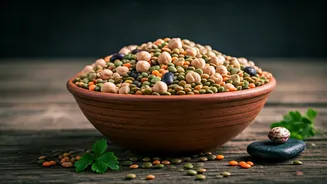
B Tier: Dal
Dal is deeply embedded in Indian diets, often considered a reliable protein source. However, Singh categorised it as incomplete. As he explained, “Even if you get your protein from dal, it is not going to get assimilated.” While dal is rich in fibre and micronutrients, relying on it alone for protein may leave gaps.
A Tier: Greek Yoghurt
Greek yoghurt stood out for its impressive protein density, delivering roughly eight grams per 100 grams. Its digestibility and versatility make it a strong everyday option, particularly for those seeking high-quality protein without feeling weighed down.
S Tier: Paneer And Tofu
Topping the list were paneer and tofu, valued for their completeness and versatility. Singh noted that choosing low-fat paneer enhances its nutritional profile further, making it a dependable protein anchor for vegetarian diets.
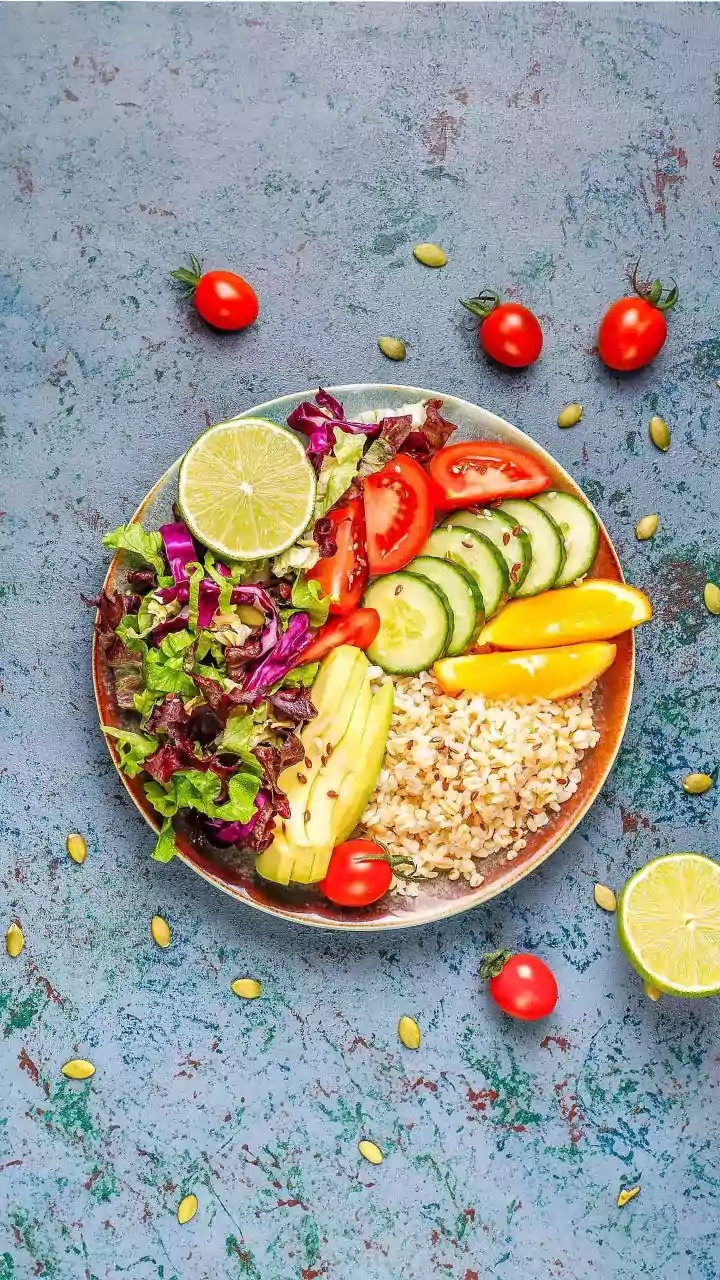
Protein isn’t just about labels or tradition. It’s about quality, absorption, and balance. Building a smarter plate means choosing sources that genuinely support strength and health, not just those that appear protein-rich on paper.