






In the evolving world of aesthetic medicine, non-surgical treatments are rapidly gaining popularity especially among those seeking targeted fat reduction without downtime. One such treatment leading this
demand is fat loss injectables, also referred to as fat-dissolving or lipolysis injections. While they promise visible contouring with minimal invasiveness, it’s crucial for people to understand what these injectables can (and cannot) do.
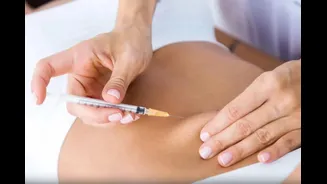
To help decode the science and suitability of the procedure, Dr. Akanksha Singh, Senior Cosmetologist, SENS Clinic, explains, “Fat loss injectables, often called fat-dissolving or lipolysis injections, use compounds such as deoxycholic acid or phosphatidylcholine to break down localised fat cells. They’re typically used for small areas like a double chin, jowls, bra bulges, or abdominal pockets, not general weight loss. Over weeks, the body clears the damaged fat cells, gradually refining contours after a series of sessions. Swelling, tenderness, and bruising are common, and rare complications can be serious, so medical assessment and precise technique are vital.”
What Fat Loss Injectables Can Help With
These treatments are specifically designed for small, stubborn fat pockets that are resistant to diet and exercise. Common treatment areas include:
Double chin / submental fullness
Jowls
Bra or underarm bulges
Abdomen (small pockets)
Love handles (mild)
Thigh or knee fat (localised)
They are not meant for overall weight loss or large-volume fat reduction.
How the Treatment Works
Fat loss injectables work by targeting the structural membrane of fat cells. Once injected:
The compound breaks down the fat cell’s outer layer
The cell collapses and releases stored lipids
The body’s lymphatic system gradually removes the debris
This process can take 3–8 weeks, and most patients require 2–6 sessions depending on the area and desired outcome.
What to Expect During and After Treatment
Treatment sessions are quick typically 15–30 minutes and involve a series of small injections. Swelling is a predictable and often pronounced part of the healing process, especially in areas like the chin.
Common after-effects:
Swelling
Warmth or tenderness
Bruising
Mild numbness
These often subside within days to a week. Following aftercare instructions is essential to optimise results and minimise discomfort.
Who Is a Good Candidate?
You may be a suitable candidate if:
You have localised fat, not generalised obesity
You prefer a non-surgical option
You understand results are gradual, not immediate
You are comfortable with temporary swelling
You have no contraindications such as pregnancy, active infection or certain medical conditions
A qualified medical consultation is crucial to ensure safety and realistic expectations.
Risks and Safety Considerations
As with any medical procedure, fat-dissolving injections carry risks. Rare but serious complications can include:
Nerve injury
Hard lumps or nodules
Asymmetry
Prolonged swelling
This underscores the importance of going to a trained, experienced practitioner using precise technique, as highlighted by Dr. Singh.
Is It Worth It?
For individuals struggling with small, stubborn fat pockets and seeking refinement rather than dramatic change, fat loss injectables can offer noticeable, long-lasting contouring with minimal downtime. However, proper assessment and expert execution determine whether the treatment is appropriate and effective.