







Dating apps were supposed to make finding love easier. Instead, for many Gen Z users, they’ve made dating feel more confusing, exhausting, and honestly…performative. And now, the internet has a name for one of
the biggest reasons why – “puffer-fishing”.
The trend is resonating with Gen Z because dating apps and social media have made first impressions feel more important than ever. People are constantly being judged within seconds, based on pictures, bios, texting style, or even how “interesting” their life looks online.
What is Puffer-Fishing?
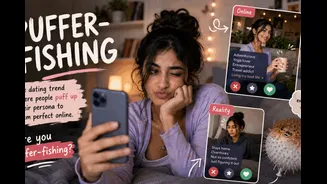
The term is all over TikTok and social media right now. It comes from pufferfish, the sea creatures that puff themselves up to look bigger and more impressive. In dating, it means people exaggerating parts of themselves online to seem more attractive than they actually are.
It could be using heavily filtered photos, pretending to have a super exciting lifestyle, acting emotionally mysterious, or making yourself seem more confident, successful, or “unbothered” than you really are.
The problem starts when the real person doesn’t match the online version.
How Does ‘Puffer-Fishing’ Work In Relationships?
Social media pressure plays a huge role, too. Gen Z grew up online, where looking interesting often feels just as important as actually being interesting. Whether it’s posting aesthetic photos, showing off a “main character” lifestyle, or acting like you don’t care, there’s pressure to always seem desirable.
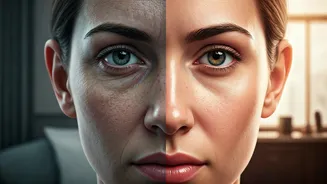
Some users shared stories of dates who looked completely different in person. While some people seemed caring and emotionally mature over text but were distant or awkward in real life. A lot of young people say this constant cycle is making modern dating feel draining.
For Gen Z, online identity is deeply connected to real life. This generation grew up with social media, where likes, validation, and appearances can shape confidence and self-worth. Many young people admit they feel pressure to always look attractive, successful, funny, or emotionally “sorted”. Some even say they puffer-fish not to deceive people, but because they fear being seen as boring or not good enough. In many ways, the trend reflects the anxiety and insecurity behind modern dating culture.
The biggest issue with puffer-fishing is that it creates disappointment once people meet in real life. Someone who seemed emotionally mature online may come across as distant in person. A carefully curated personality can feel very different outside a screen. Over time, this gap between online image and reality leaves many people emotionally exhausted. It can also make dating feel repetitive and less trustworthy, especially for young adults already dealing with dating burnout.
Are Social Media Trends Making Dating Difficult?
Many people believe social media has turned dating into a performance. Instead of focusing on connection, users often focus on appearing desirable. Whether it’s posting aesthetic photos, acting “hard to get”, or showing a perfect lifestyle online, there is constant pressure to impress others. Relationships are increasingly shaped by online perception, making authenticity feel rare. For some Gen Z users, this has made dating more stressful than exciting.
While confidence and self-presentation are natural parts of attraction, constantly trying to appear perfect can make relationships feel less genuine. Maybe the reason modern dating feels exhausting isn’t that people don’t want love anymore; maybe it’s because everyone is tired of pretending first.