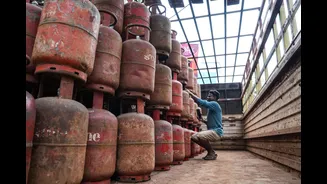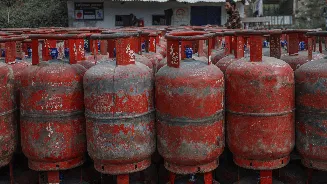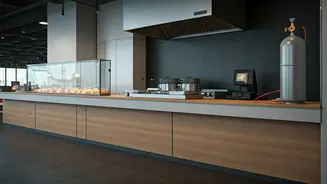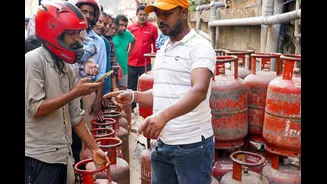






A growing number of companies across Indian cities are beginning to consider bringing back remote work options temporarily as the LPG supply crunch triggered by the conflict in West Asia squeezes office
canteens.
While there is no official nationwide shift to remote work, scattered measures by companies and rising calls from employees indicate that limited work from home arrangements could return in some sectors, especially the IT industry, if the situation continues.
Here is a look at the cities where discussions around remote work are gaining traction, both online and offline:
Chennai
The first confirmed case of a company officially declaring remote work amid the LPG shortage has come from HCLTech in Chennai.
The IT services firm has allowed employees at its Chennai office to work from home on March 12 and 13 after a shortage of commercial LPG disrupted cafeteria operations at the campus.
ALSO READ | LPG Shortage: What Happens To Weddings On March 14-15? For Starters, Don’t Expect Live Counters
Cafeteria vendors at the company reportedly struggled to cook meals due to limited gas supplies, prompting the temporary remote work option.
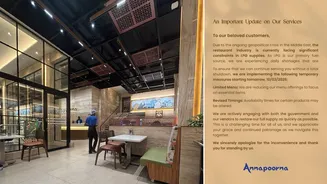
Separately, eateries and canteens across Chennai have also been adjusting operations, with some scaling down menus or temporarily closing because of the LPG supply crunch.
Pune
In Pune, IT major Infosys has not announced work-from-home measures but has cautioned employees that cafeteria services may be disrupted.
Internal communication to employees said food courts would operate with limited menus, and workers have been encouraged to bring food from home as vendors face reduced LPG supplies.
Corporate cafeterias in major tech clusters such as Hinjewadi have also begun adapting by reducing gas-intensive dishes and using electric appliances to continue food services.
Bengaluru
The LPG supply issue has also affected large tech campuses in Bengaluru. Infosys has scaled back food court operations at its campuses in the city, suspending live cooking counters such as dosa and omelette stations because they require continuous LPG use.
The development has triggered discussions among employee groups and industry forums about whether companies should temporarily allow more flexible working arrangements while office services remain limited.
Kochi
Early signs of workplace disruption are also emerging in Kochi, particularly at the city’s major IT hub, Infopark Kochi.
Several companies operating in the campus have begun modifying cafeteria operations as commercial LPG shortages affect kitchen services. According to reporting by The New Indian Express, some office canteens have reduced their menus, while live cooking counters — including dishes such as dosas and other freshly prepared items — have been temporarily suspended.
The issue is compounded by the wider situation outside the campus. Restaurants and small eateries around the Infopark area are also facing LPG shortages, with some shutting operations or scaling back services. As a result, tech workers who typically rely on nearby outlets for meals are finding fewer options during the workday.
Amid these disruptions, some companies have begun encouraging employees to work from home temporarily, while others are still operating normally but keeping staff informed about cafeteria limitations.
Work From Home Demand Grows
The disruptions have reignited a broader debate about flexible work arrangements in the IT sector.
Some employee organisations and industry voices argue that temporary work-from-home options could help workers manage disruptions to office facilities such as cafeterias while also reducing commuting pressure.
However, most companies continue to operate under existing return-to-office policies, choosing instead to adjust food services or advise employees to carry meals from home.
Why Office Campuses Are Affected
Large corporate campuses typically run cafeterias that serve thousands of meals daily and rely heavily on commercial LPG cylinders for cooking.
Officials have prioritised LPG supply for households, hospitals and essential services, which has resulted in tighter supplies for commercial users such as corporate food vendors.
As a result, many workplaces are experimenting with reduced menus, external kitchens, electric cooking equipment, or limited remote-work days until supplies stabilise.