
Luxury travel in 2025 underwent a decisive shift. The year marked a move away from surface-level indulgence toward experiences that felt personal, purposeful, and emotionally engaging. Across destinations
and hotel brands, travellers showed a clear preference for stays that offered connection to place, people, culture, and self rather than just polished five-star comforts.
Rahul Deb Bannerjee, COO, The Clarks Hotel & Resorts, believes experiential travel grew at nearly twice the pace of traditional luxury bookings in 2025. Guests gravitated toward boutique retreats, immersive stays, local cuisines, curated cultural trails, and wellness-led itineraries that promised genuine transformation.
“What shaped these choices,” he notes, “was rising wellness consciousness, the need for family-friendly activities, and a desire to reconnect with nature and local communities.” In this new definition of luxury, authenticity outweighed opulence. The most successful brands were those that paired comfort with storytelling, craftsmanship, sustainability, and warmth.
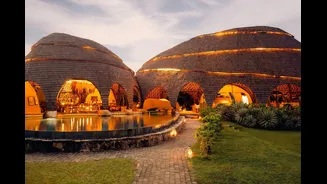
This trend also reflected a deeper change in traveller intent. Rather than ticking off monuments or scenic viewpoints, guests increasingly sought to immerse themselves in their surroundings and savour the rhythm of everyday life at a destination. Properties such as The Clarks’ Villas & Suites in Sri Lanka and the Medieval Fort in Kalwar exemplified this shift, offering tranquil escapes complemented by birdwatching, nature walks, and locally rooted experiences that encouraged slower, more meaningful travel.
A similar evolution was visible across global hospitality groups. Nikhil Sharma, Managing Director & COO, South Asia at Radisson Hotel Group, observes that in 2025, guests increasingly chose experience-led stays over traditional notions of luxury. This shift influenced everything from hotel design to service philosophy.
Radisson responded by focusing on personalised experiences, wellness-forward amenities, and destination-rooted offerings across its portfolio, including Radisson Individuals and Radisson RED. Curated local experiences, culinary exploration, art-driven stays, and nature-connected programming began shaping how hotels activated their spaces and engaged guests.
“For today’s traveller,” Sharma explains, “luxury is no longer about the room alone. It’s about a meaningful stay-journey, tailored to the individual, rooted in place, and aligned with modern values of sustainability and culture.”
On the resort front, the same pattern played out strongly in leisure destinations. Pardeep Siwach, Deputy General Manager at Mayfair Spring Valley Resort, highlights how 2025 redefined luxury as depth rather than grandeur. New-age travellers, he says, looked for places where they could engage personally, integrate wellness, and experience culture authentically.
The pandemic played a role in accelerating this mindset, prompting travellers to prioritise quality over quantity, time over speed, and purpose over excess. Digital media further amplified expectations, driving demand for experiences that were distinctive yet faithful to a destination’s identity. Sustainability and responsible tourism also became non-negotiable elements of the luxury journey.
At Mayfair Spring Valley Resort, these shifts translated into immersive cultural programming, local culinary journeys, and wellness experiences inspired by Assam’s natural landscape. Personalised service and thoughtfully designed activities ensured that each stay felt enriching, not just comfortable.
Together, these perspectives reveal how experiential luxury didn’t merely rise in 2025, it fundamentally redefined what modern travellers value. Luxury became less about escape and more about engagement; less about scale and more about substance. As the industry moves into 2026 and beyond, the journeys travellers seek will be measured not by how extravagant they look, but by how deeply they resonate long after the trip ends.