





Dahi Handi 2026 In Mumbai: Dahi Handi will bring Mumbai alive on Saturday, September 5, 2026, with Govinda pathaks, decorated handis, dhol-tasha beats and large crowds gathering across the city and the wider
Mumbai Metropolitan Region. The festival follows Krishna Janmashtami, which Mumbai’s Panchang places on Friday, September 4. Dahi Handi is observed the following day.
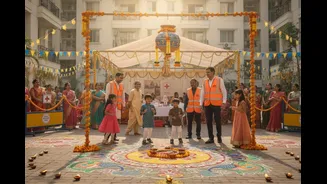
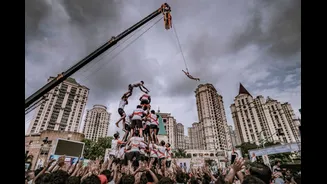
The celebration is much more than the breaking of a clay pot. In Mumbai and Thane, it has developed into a major community spectacle in which Govinda teams compete to build human pyramids, reach elevated handis and complete the challenge amid cheering crowds.
Dahi Handi 2026 in Mumbai: Date and timings
Janmashtami: Friday, September 4, 2026
Dahi Handi Date: Saturday, September 5, 2026
Main celebration period: Daytime through evening
Peak activity: Generally from late morning through the afternoon and evening, depending on the venue
Read More: Dahi Handi 2026: Safe And Fun Janmashtami Celebration Tips For Schools, Housing Societies
There is no single citywide start or closing time for every Dahi Handi event. Individual mandals and organisers can set their own schedules, so visitors should check the programme of the particular event they plan to attend.
Where will Dahi Handi be celebrated in Mumbai?
Dahi Handi is a neighbourhood-led celebration, so events are spread across Mumbai, the suburbs and Thane rather than being confined to one ground.
Some of the areas traditionally associated with major celebrations include:
- Dadar: Areas around Sena Bhavan, Dadar and local community grounds have historically hosted prominent celebrations.
- Lalbaug and Parel: The central Mumbai belt has a strong tradition of mandals and festival celebrations.
- Worli: Major gatherings and community events are held in and around Worli.
Ghatkopar: The eastern suburb is known for large public celebrations and Govinda participation. - Vile Parle and Andheri: Several suburban mandals organise Dahi Handi programmes.
- Borivli and Dahisar: The northern suburbs also see sizeable neighbourhood celebrations.
- Thane: Naupada, Panchpakhadi and other parts of Thane have become important centres of competitive Dahi Handi.
The Maharashtra Tourism Department identifies Mumbai, Thane and Pune as major centres for Dahi Handi and describes Maharashtra’s celebrations as among the most prominent in the country.
Why is Dahi Handi so important in Mumbai?
The festival is rooted in traditional stories about the childhood of Lord Krishna.
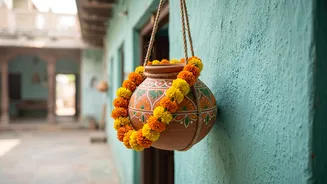
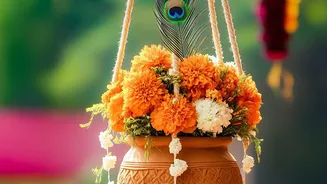
According to Hindu tradition, Krishna was fond of butter and curd. To keep these foods away from him, pots were hung high above the ground. Krishna and his companions are said to have worked together to reach them.
The modern Dahi Handi celebration recreates this playful story through human pyramids. Govindas climb onto one another’s shoulders until a participant at the top can reach and break the suspended handi.
Read More: Janmashtami 2026 Date: Is It On September 3 Or 4? City-Wise Muhurat, Fasting Rules And Rituals
The Maharashtra Tourism Department describes the tradition as a celebration of teamwork, perseverance, devotion and communal harmony.
How Mumbai’s Govinda tradition evolved
Over time, the traditional ritual developed into a large-scale public event.
Local mandals and Govinda pathaks began organising teams, training participants and competing at different handis. The competitive element became increasingly prominent, with prizes, sponsorships, music and large public gatherings becoming part of the Mumbai experience.
Today, a major Dahi Handi can resemble a sporting event. Teams prepare for weeks, organisers coordinate registrations and spectators gather behind barricades to watch the pyramid attempts.
The emphasis, however, remains rooted in the festival’s religious and community traditions.
What is a Govinda pathak?
A Govinda pathak is a team that participates in the human-pyramid challenge. A successful pyramid requires participants at different levels to work together. Stronger participants generally form the lower layers, while lighter and more agile members climb towards the top.
Read More: Janmashtami 2026: Rare Astrological Combination On September 4, 5 Zodiac Signs May Benefit
The person who reaches the handi is commonly referred to as the topmost participant or “topper”. Reaching the pot requires balance, coordination and trust between every layer of the pyramid.
The difficulty increases as the number of layers rises, which is why taller formations have traditionally attracted considerable attention at competitive events.
What happens during a Dahi Handi event?
A typical celebration combines several elements:
- Govinda teams arrive at the venue and prepare for their attempts.
- Organisers announce participating pathaks and competition rules.
- Music, dhol-tasha performances and public cheering create the festival atmosphere.
- Govindas form human pyramids beneath the suspended handi.
- The top participant climbs towards the pot.
- The team attempts to break the handi.
Successful teams may receive cash prizes or other rewards, depending on the event.
Read More: Janmashtami 2026 Vrat Rules: What To Eat, Avoid And When To Break Fast
Maharashtra Tourism notes that handis may contain curd, butter and other offerings, while organised events can also include cash prizes or gifts.
Why are human pyramids dangerous?
The spectacle also involves genuine physical risk.
A pyramid can collapse if participants lose balance, footing becomes unstable or the formation is affected by water, fatigue or crowd movement. Falls from the upper layers can result in serious injuries.
This is not simply a theoretical concern.
Mumbai has recorded serious Dahi Handi injuries in previous years, including a fatal fall during practice in 2025. The incident highlighted the importance of safety measures even before the main festival day. These includes the use of helmets, mattresses, harnesses, safety nets and medical support at organised events.
Dahi Handi safety: What participants and spectators should know
Safety arrangements can differ between events, and participants should follow the current instructions issued by organisers and authorities.
For Govinda teams, precautions include:
- Practising under trained supervision before attempting a high pyramid.
- Using appropriate protective equipment where required.
- Ensuring the ground below the pyramid has suitable safety arrangements.
- Having medical and first-aid support available at organised events.
- Avoiding participation when fatigued, unwell or otherwise unfit.
- Following the organiser’s rules regarding age, height and participation.
- Never attempting a pyramid simply because a prize or crowd is encouraging the team to go higher.
Spectators should remain behind barricades and away from the active pyramid area. They should also avoid standing directly beneath or immediately beside the formation.
Read More: Janmashtami Outfit Ideas 2026: Stylish Krishna-Radha Inspired Looks For Kids To Try
Mumbai traffic during Dahi Handi 2026
Mumbai’s roads can become particularly crowded around major Dahi Handi venues because celebrations often occupy or spill into local streets.
Traffic restrictions can include:
- Temporary road closures.
- Diversions around celebration grounds.
- No-parking restrictions.
- Restrictions on heavy vehicles on selected routes.
- Police barricading near major venues.
- Changes to BEST bus routes.
However, the exact road closures and diversion timings for September 5, 2026 should be confirmed from the latest Mumbai Traffic Police advisory normally issued before the event. Traditionally, roads are shut from 7 am to 11:30 pm on the Andheri-Ghatkopar link road, and the route diverted around Dadar, Worli and Thane.
How to reach Dahi Handi venues
Dadar and Central Mumbai
Dadar is served by both the Central and Western railway networks, making local trains a practical option for reaching celebrations in the surrounding areas.
Passengers should expect crowding around the station and allow additional time for walking because roads close to an event may be barricaded.
Ghatkopar
Ghatkopar is served by the Central Railway and Mumbai Metro Line 1, providing an alternative to travelling by road.
Metro and local train services can be particularly useful when traffic restrictions affect roads surrounding an event.
Thane
Thane is connected to Mumbai by the Central Railway network. Visitors heading towards Naupada, Panchpakhadi or nearby celebration areas can use the railway station and continue by local transport, subject to traffic restrictions.
BEST buses and taxis
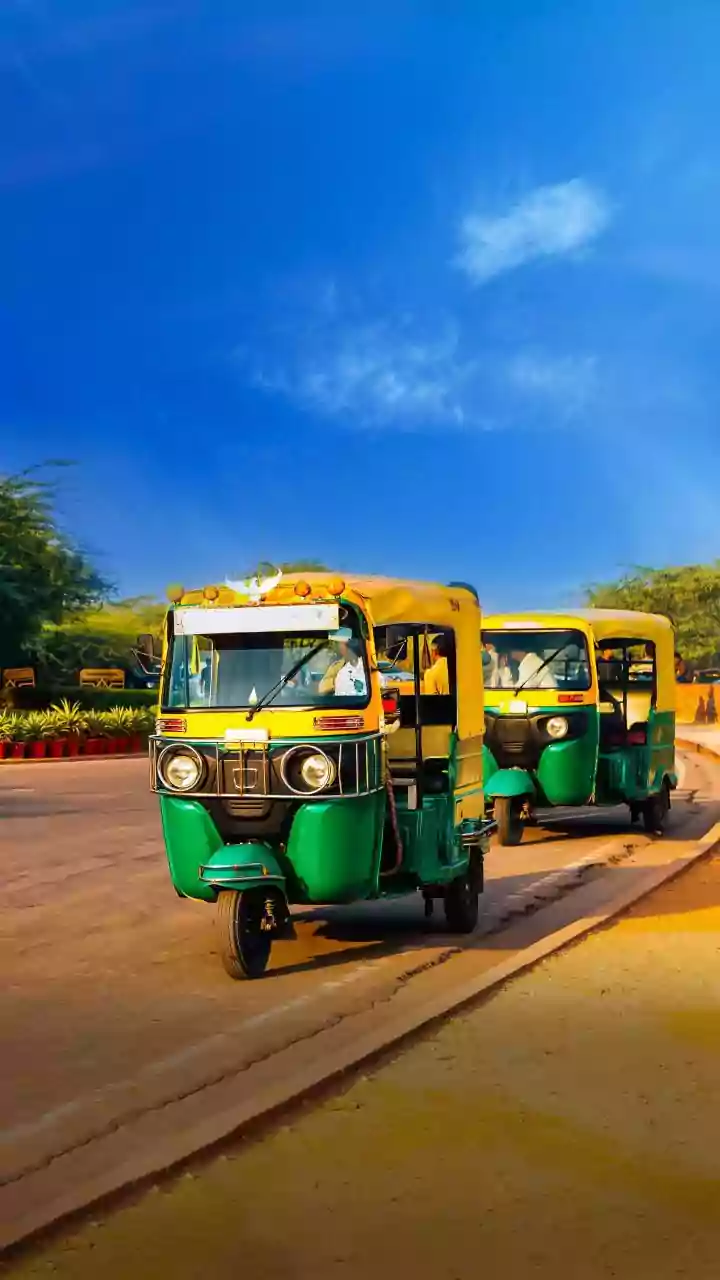
BEST buses, autos and taxis may continue operating but could face diversions or delays close to event sites. Check the route immediately before travelling rather than relying on a normal weekday route.
Best places to watch Dahi Handi in Mumbai
For a traditional neighbourhood atmosphere, areas such as Dadar, Lalbaug, Parel and Worli are worth considering.
For larger suburban gatherings, Ghatkopar, Andheri, Vile Parle, Borivali and Dahisar can offer a different experience.
For visitors willing to travel outside Mumbai city, Thane is one of the major Dahi Handi centres in the wider metropolitan region.
Visitors should choose an event based on accessibility, crowd conditions and safety arrangements rather than simply looking for the tallest pyramid.
What should spectators carry?
A little preparation can make the experience considerably easier.
- Carry drinking water.
- Wear comfortable footwear.
- Keep phones and cameras protected from water.
- Carry minimal valuables.
- Expect crowds around major venues.
- Keep children close in dense crowds.
- Follow police and volunteer instructions.
- Stay behind designated barricades.
- Avoid trying to enter the Govinda formation area for photographs.
Water may be sprayed around some celebrations, so keeping electronic devices in a waterproof pouch is particularly useful.
Dahi Handi and Mumbai’s festival culture
Mumbai’s Dahi Handi is distinctive because it combines devotion, neighbourhood identity, athletic ability and entertainment.
Govinda teams spend weeks preparing for the event. Their training is not just about physical strength; it also involves timing, coordination and learning how to distribute weight across the pyramid.
Dhol-tasha performances, music, chanting and cheering transform the streets into temporary festival spaces.
For many Mumbaikars, the event is therefore as much about community participation as the actual breaking of the handi.
Dahi Handi beyond Mumbai
Although Mumbai is strongly associated with the festival’s competitive form, Dahi Handi is not limited to the city.
It is widely celebrated across Maharashtra, including Pune and other towns and cities. Similar human-pyramid traditions are also found in other parts of India under different regional names and customs.