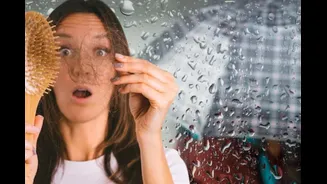







Hair fall can be scary, especially when it suddenly feels like you’re losing more hair than usual while washing, combing, or even just running your fingers through your hair. The truth is, shampoo doesn’t
always cause hair fall, but using the wrong shampoo can definitely make it worse.
A shampoo that’s too harsh can dry your hair out, irritate your scalp, increase dandruff, and lead to more breakage, which makes hair fall look heavier than it actually is. We speak to Dr Abhishek Pilani, Founder of Assure Clinic, MD Dermatology, and Hair Transplant & Restoration Specialist, to understand how choosing the right shampoo at the right time can help reduce damage and calm the scalp before the problem grows.
Difference between shedding and breakage
Shedding means hair falls from the root (you may see a white bulb at the end). This can happen due to stress, hormonal changes, lack of sleep, low iron, thyroid issues, or after illness. Shampoo won’t fix these internal causes, but it can support scalp health. Breakage, on the other hand, is when hair snaps from the middle or ends. This usually happens when hair is dry, over-processed, exposed to heat, or washed with a harsh cleanser. Shampoo plays a bigger role in controlling breakage.
Love your scalp
When choosing shampoo, always focus on your scalp type, not just your hair type. If your scalp is oily and you feel greasiness within a day, you need a shampoo that cleans properly and removes buildup. If your scalp feels dry, itchy, or tight after washing, your shampoo is likely too strong for you and you need a gentler, moisturising formula. If you have a sensitive scalp, avoid shampoos with strong fragrances or heavy scents, as they can trigger itching or redness. And if you have dandruff or flaky scalp, pick a shampoo designed to manage dandruff, because regular shampoos often don’t solve that issue and the flakes keep coming back.
Gentle love and care
A common mistake people make is using “strong cleansing” shampoos too frequently. Over-cleansing strips away natural oils, leaving the scalp irritated and the hair shaft rough. Once your scalp becomes irritated, hair fall can look worse because inflammation affects the roots and scratching causes further damage. A good shampoo should make your scalp feel clean, not dry or squeaky. If your hair feels rough and tangled after washing, that’s a sign the shampoo is too harsh
It also helps to keep expectations realistic. No shampoo can stop all hair fall instantly, especially if the cause is hormonal or nutritional. However, the right shampoo can reduce breakage, control dandruff, soothe irritation, and make hair look healthier and fuller. If your hair is thinning, avoid heavy creamy shampoos that weigh hair down, and go for lighter formulas that don’t leave residue.
Lastly, give a shampoo 2–3 weeks to show results. If itching, dandruff, or hair roughness increases, switch early. And if hair fall is sudden, severe, or continues beyond 6–8 weeks, it’s best to consult a dermatologist because sometimes the cause is deeper than hair care.